
8 Amish Country Shopping Budget Ideas That Leave Room for a Treat
Build an Amish country shopping budget that covers useful pantry buys, travel costs and a bakery treat, with practical comparisons and a copyable checklist.
This practical guide follows our source, correction, and uncertainty standards.
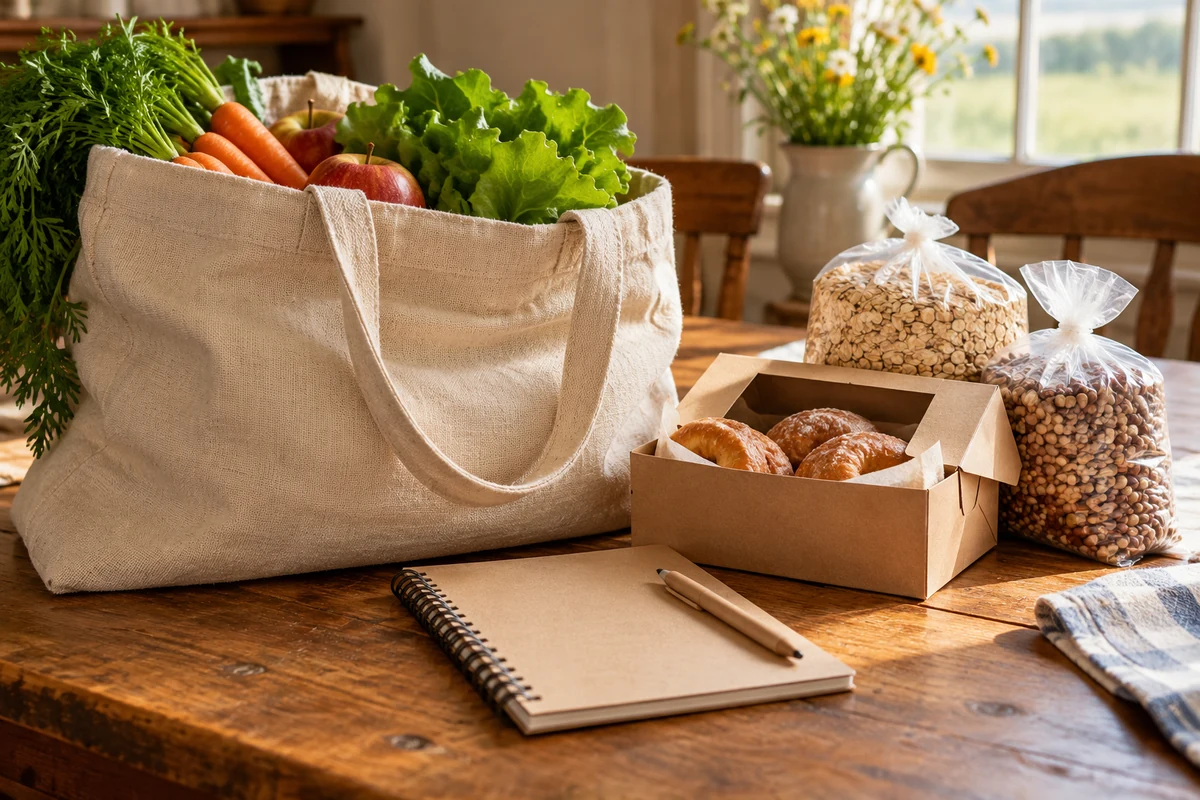
AI-generated editorial illustration; not a photo of a listed business.
Your country-store outing has a budget before the first item reaches the counter: the drive, the main purchase and any food-packing supplies all count. Leave a little space for a bakery treat if that is part of the day you want. These Amish country shopping budget ideas work through eight decisions that help you choose the route and the haul together. Start with a total spending ceiling and one purchase that makes the trip worthwhile.
Eight Amish country shopping budget ideas worth using
1. Set the Budget Before the Route
Choose your total spending ceiling before choosing how many stores to visit. Divide it into four parts: planned purchases, travel and packing, a treat, and a small uncommitted cushion. That last part gives you room to respond to a genuinely useful find without borrowing from money needed elsewhere.
Check your pantry first. A duplicate bag of oats is not a bargain if the open one is already moving slowly. Then use the store search to identify relevant stops rather than assuming every country store carries the same categories.
Ask yourself: Would this trip still feel worthwhile if I bought only what is on my list? If the answer is no, entertainment may be part of the budget too—and it is better to acknowledge that.
Before leaving, confirm the selected stores’ hours and accepted payment methods. Decide which budget category will absorb any extra purchase; do not let the total expand silently.
2. Choose One Anchor Purchase
An anchor purchase is the main reason for the trip: a pantry refill, a gift you have already chosen, or a household item you have been comparing. It does not have to be expensive. Its job is to give the outing a purpose beyond browsing.
Write down what would make that purchase suitable. For a pantry staple, that might mean the right ingredient, manageable package size and clear labeling. For a quilt or other substantial handmade item, it might mean dimensions, materials, care requirements and a comfortable total cost.
Ask the seller, “Who made this, and what information comes with it?” An Amish-owned shop may sell goods from many suppliers; the setting does not establish that an item is Amish-made, local or handmade.
Set a walk-away condition before arriving. If the size, origin or price does not meet your needs, leave the anchor unbought rather than substituting something costly just to complete the mission.
3. Compare the Full Package Cost
The smallest unit price and the smallest checkout total answer different questions. Divide the package price by its labeled weight or count to compare similar products, using the same unit for both. Then look at how much money each package commits today.
A larger bag may cost less per ounce but still be the wrong choice if you rarely use the ingredient. Include any extra container you would need, and compare like with like: different flour types or different nut varieties are not interchangeable simply because the bags look similar.
For weighed goods, ask, “Is this the price per pound or the total for this package?” Read the final package label before deciding.
The small-household bulk shopping guide can help when package size is the sticking point. Choose the amount you can reasonably use and accommodate at home, even when that means accepting a higher unit price for a lower total commitment.
4. Leave Room for a Bakery Treat
A treat is easier to enjoy when it already has a place in the plan. Reserve part of the budget for one bakery choice before you see the display, whether that means an individual pastry, a small assortment or something to share at home.
Decide what the treat is for. A snack for the ride and dessert for a household are different purchases; buying both by accident is where the total can creep. Compare individual portions with a whole item based on how many people actually want it, not how impressive the box looks.
Ask, “Can these be purchased individually, and what sizes are available?” Selection and selling formats vary. The Amish bakery shopping guide offers more help choosing without overbuying.
If allergies matter, read ingredient and allergen information and ask about anything unclear; plain packaging is not proof of suitability. Pick the treat you actually want, rather than several less appealing extras chosen only because they seem economical.
5. Bring a Flexible Shopping List
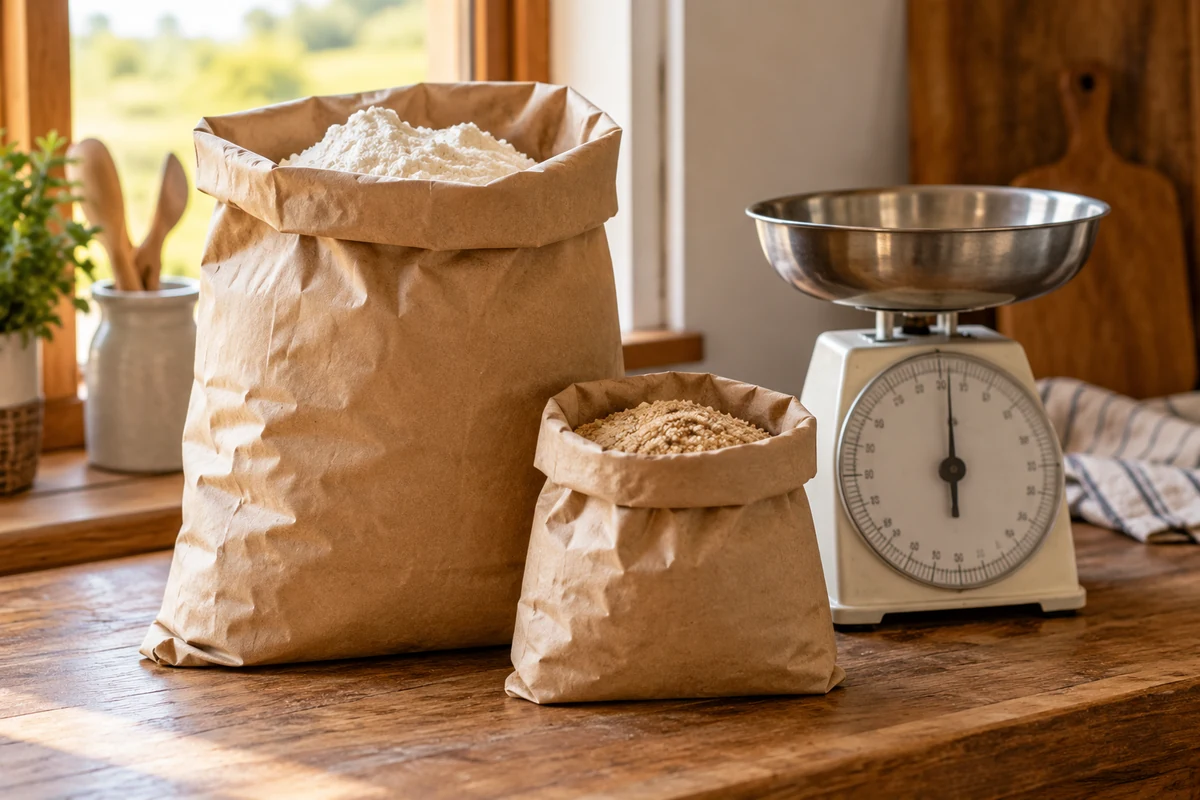
Make three short columns: need, acceptable substitute, skip. This gives you flexibility without turning every shelf into a new shopping assignment. A needed bag of your usual oats might allow a different package size, for example, while a specialty grain with no planned use belongs in the skip column.
Keep substitutions tied to the job the product will do. Another flour may not serve the same purpose, and a different spread may not suit the person receiving your gift. Flexibility should reduce frustration, not create homework after you get home.
Ask yourself, “What will I use this for, and what purchase does it replace?” If the answer is merely that it looks interesting, it belongs in the discretionary budget.
Use the bulk-food pantry checklist to identify genuine gaps before shopping. When a needed item is unavailable, leave the line open unless a suitable substitute clearly earns its place.
6. Include Fuel and Cold-Food Packing
The shelf price is only one part of the outing’s cost. Fuel, parking where applicable, packing supplies and an unplanned meal can all draw from the same money you intended to spend in stores. A distant stop for one inexpensive item may not make sense once the extra driving is included.
Map your essential stops first, then ask whether each additional stop offers something meaningfully different. The three-stop route planning guide can help you keep the trip focused without making it feel rushed.
If you plan to buy products that require refrigeration, bring suitable cold-food packing and follow each product’s label. Ask the producer for product-specific transport and handling guidance when needed. If your setup cannot meet those requirements, choose a different purchase.
Use what you already own when it is suitable: reusable bags, a sturdy box and appropriate packing equipment. Decide before departure whether the trip budget can comfortably cover the full route, not just the anticipated checkout totals.
7. Keep a Price Note for Repeat Buys
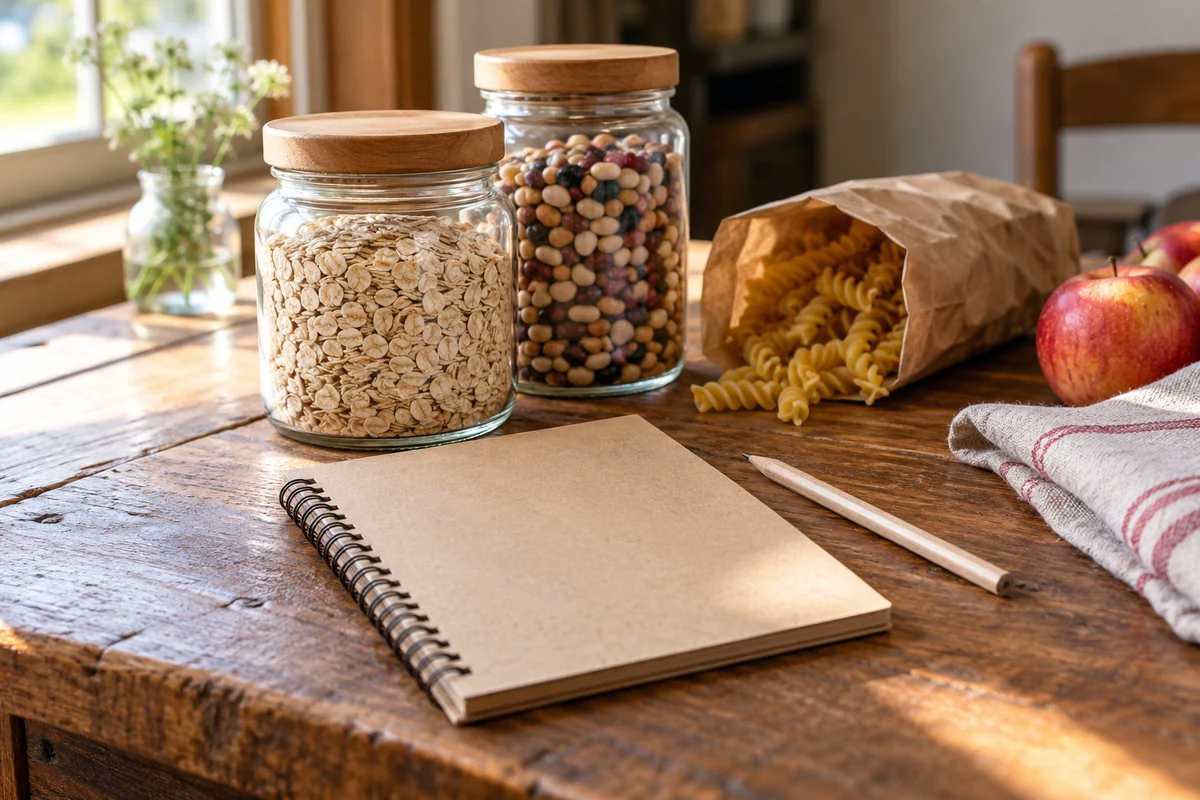
A useful price note is a tiny buying record, not an inventory of every shelf. Track only products you purchase regularly: the exact item, package weight or count, total paid, store and purchase date. Add a unit price if it helps you compare later.
“Rolled oats, package size, total paid” is more useful than “oats were cheap.” Product differences matter, so note the variety or brand when relevant. A previous purchase is a reference point, not a promise that the next visit will have the same price or selection.
After using the item, add one sentence: Was the amount manageable? Did you like it enough to buy it again? Did it replace an ordinary grocery purchase?
Ask, “Would I choose this again at the same total cost?” That question keeps the record focused on value to your household. Save receipts or make a quick phone note, then use your own buying history to set the next trip’s priorities.
8. Leave With a Useful Smaller Haul
Before paying, review the basket by purpose rather than by how full it looks. You should be able to name a use or recipient for each item. A few pantry refills, one planned gift and a bakery treat can be a complete outing.
Look especially closely at the last things added. A second spread, an unfamiliar seasoning blend or another decorative item may be appealing without being necessary today. Ask, “If I put this back, what would I actually miss?” If nothing specific comes to mind, it is a good candidate to remove.
Do not spend the cushion simply because it remains available. Nor does a long drive create a requirement to fill the trunk; extra purchases cannot recover travel costs already incurred.
Make your final decision at the basket stage, before checkout pressure takes over. Return unwanted items to the appropriate place or ask staff for help. Leaving with unused budget is a successful result, not an unfinished shopping trip.
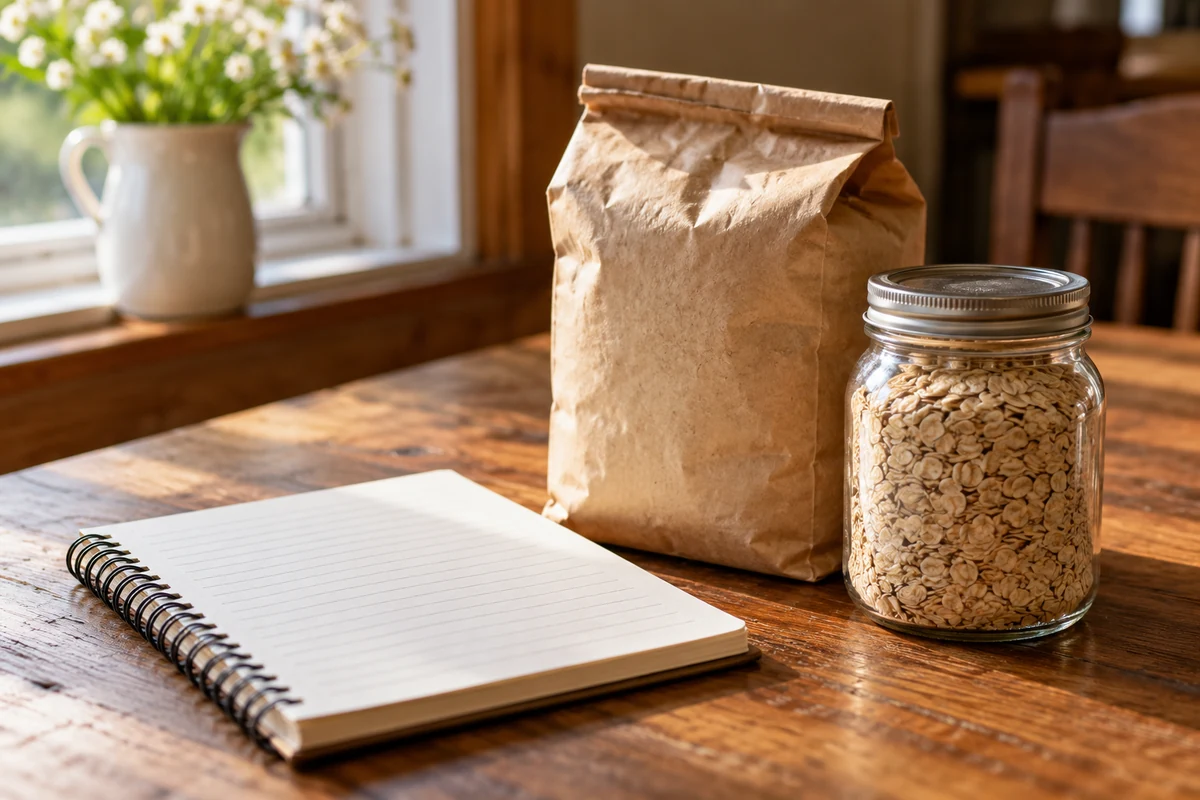
For a small gathering, choose one clear food plan before adding extras. These country store snack board ideas make the portion decisions easier.
Quick comparison: which choice fits your budget?
Use this table when two purchases both look reasonable. The better choice depends on your household and the purpose of the outing, not on a rule that bigger or smaller always wins.
| Shopping choice | When it makes sense | Cost or compromise to check | Decision cue |
|---|---|---|---|
| Large pantry package | You regularly use the exact product | Higher checkout total and space needed | Can you name its routine use? |
| Smaller pantry package | You are trying something or use it slowly | Possibly higher unit price | Will the smaller amount meet the need? |
| One individual bakery treat | You want a snack, not a household dessert | Available portions may vary | Buy for the people who want it |
| Shared bakery item | Several people want the same treat | More food is not automatically more value | Confirm the purpose before choosing |
| Additional store stop | It offers a needed category your route lacks | Fuel, time and packing implications | Identify what justifies the detour |
| Unplanned gift | You have a specific recipient and occasion | It competes with planned purchases | Name the recipient before buying |
A lower unit price is helpful information, but it does not overrule your spending ceiling. Likewise, a thoughtfully chosen treat is not a budgeting failure merely because it is optional.
Copyable shopping and decision checklist
Copy this into a phone note and fill in the blanks before browsing. Keep the spending ceiling visible at the top rather than burying it beneath the wish list.
TRIP PLAN
[ ] Total spending ceiling: ______
[ ] Travel and packing allowance: ______
[ ] Planned purchases allowance: ______
[ ] Bakery treat allowance: ______
[ ] Uncommitted cushion: ______
[ ] Anchor purchase and walk-away condition: ______
[ ] Pantry checked for duplicates
[ ] Needs, acceptable substitutes and skips listed
[ ] Selected stores' hours and payment methods confirmed
[ ] Bags and suitable product-specific packing ready

BEFORE CHECKOUT
[ ] Package totals and comparable unit prices checked
[ ] Each item has a use or recipient
[ ] Origin claims verified where they affect my choice
[ ] Labels and handling guidance checked as needed
[ ] Optional extras still fit the total
[ ] Repeat-buy details saved
If several people are shopping together, agree on which purchases come from the shared budget. Separate personal extras from household needs before reaching the register; otherwise, even a careful list can become hard to track.
Four practical FAQs
Are Amish country stores always cheaper than supermarkets?
No. Compare the exact product, package size and total trip cost. A store may offer a useful selection without being the lowest-cost option for every item. Your usual grocery receipt provides a better benchmark than assumptions about the setting.
Does shopping at an Amish-owned store mean everything is Amish-made?
No. Ownership and product origin are separate questions. Stores may carry goods from different suppliers. If maker identity, location or production method matters to your purchase, ask specifically and use available product information rather than relying on appearance.
Should I bring cash for a budgeted shopping trip?
Confirm accepted payment methods with your selected stores. Cash can help some shoppers keep discretionary spending visible, but it is not universally required or accepted as the only method. Plan around the actual stores rather than a general expectation.
What if the anchor purchase is unavailable?
Keep the money available unless a substitute meets your original requirements. You can still buy the other planned items and enjoy your treat. A special return trip should be weighed against its travel cost, not treated as automatic.
Images are AI-generated editorial illustrations, not photographs of particular stores or makers.
Start by checking one pantry shelf, writing your total spending ceiling and choosing an anchor purchase. Then use stores near you to find a relevant starting point and build the shortest practical route around what you actually need.