
Amish Bulk Food Pantry Stock-Up Checklist
Plan a practical pantry restock with checklists for bulk staples, baking supplies, spices, snacks, soup ingredients, and food-storage essentials.
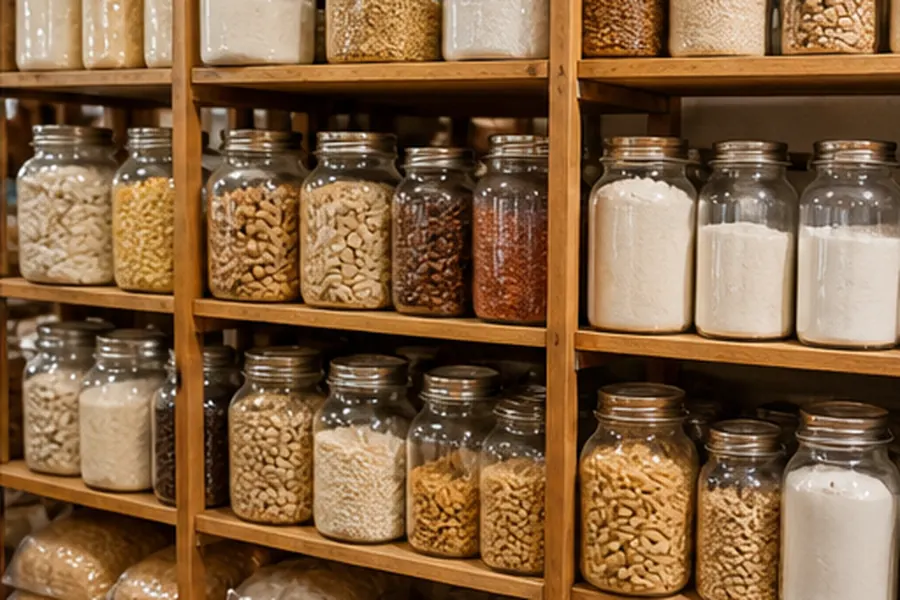
A well-planned trip to a bulk food store can refill the pantry, reduce packaging, and help you buy useful quantities instead of collecting ingredients you may never finish. The best approach is to check what you already have, decide how much your household can realistically use, and bring a list organized by store section. This guide covers everyday staples, baking ingredients, snacks, soup fixings, and storage supplies for both small and large households. Remember that inventory, brands, package sizes, and product origin vary by store, so verify labels before purchasing.
Your Amish bulk food pantry checklist starts with inventory
Before writing a pantry restock list, inspect your cabinets, refrigerator, freezer, and food-storage containers. A quick inventory prevents duplicate purchases and helps you notice ingredients that should be used soon.
For each item, record:
- What you already have
- The package or container date
- Whether the package is still sealed
- How quickly your household uses it
- The amount that will fit in your storage space
- Whether you need a small refill or a longer-term supply
Move older products to the front and newer products to the back. If a package is damaged, leaking, infested, unusually swollen, wet, or otherwise questionable, follow appropriate disposal guidance rather than combining it with fresh food.
Create three categories as you inventory:
- Buy now: Everyday foods that are empty or nearly empty.
- Buy if practical: Useful items that may be worth purchasing if the package size, ingredients, and unit price fit your needs.
- Skip this trip: Products already on hand or unlikely to be used before quality declines.
If you are still choosing a destination, browse the bulk food store directory, search available listings, or find options near you. You can also explore stores through the state directory. Listings are a starting point; contact a store directly when you need to confirm hours, inventory, payment methods, or a specific product.
Choose quantities for your household
Bulk shopping does not always mean buying the largest bag. At many stores, “bulk” describes the way products are packaged or sold, and shoppers may find both modest bags and larger quantities.
Small-household stock-up
For one or two people, prioritize variety and manageable packages:
- Buy smaller amounts of specialty flour, nuts, seeds, and spices.
- Choose one or two types of rice, pasta, and dried beans rather than every available variety.
- Restock enough for your usual cooking schedule, not an imagined future routine.
- Avoid oversized packages unless you cook frequently, share with someone, or can freeze the product according to label directions.
- Leave room in jars or bins instead of purchasing more than your containers can hold.
Small households may benefit most from bulk sections that allow modest quantities. This makes it easier to try unfamiliar ingredients without committing to a large package.
Large-household stock-up
For larger families or households that cook most meals at home:
- Estimate use by week or month before selecting a package.
- Consider larger quantities of frequently used flour, oats, rice, pasta, and beans.
- Divide products into working containers and well-sealed reserve packages.
- Keep a written inventory so more than one shopper can see what is available.
- Avoid purchasing large quantities merely because the package appears economical.
Large households should still account for storage conditions and realistic turnover. A large bag is not a good value if it becomes stale, absorbs moisture, attracts pests, or exceeds the package’s recommended storage period.
Compare unit prices and package details
Compare products by the same unit—such as price per ounce, pound, or kilogram—rather than package price alone. Divide the package price by its weight if a unit price is not displayed. Include any container or bag charge when relevant.
Unit-price comparison is useful, but it is only one part of the decision. Also compare:
- Ingredient lists
- Package size
- Expected household use
- Storage requirements
- Preparation time
- Product form, such as whole, ground, quick-cooking, or instant
- Whether the package can be securely resealed
A lower unit price may not save money if part of the food goes unused. For more planning ideas, read what to buy at Amish bulk food stores and the broader Amish country grocery store guide.
Grains and flours
Build the grain section of your checklist around what you actually bake and cook. Flour types are not automatically interchangeable, so check recipes and product labels.
Consider:
- All-purpose flour
- Bread flour
- Whole-wheat flour
- Cake or pastry flour
- Cornmeal
- Rolled oats
- Quick oats
- Steel-cut oats
- Barley
- Bulgur
- Rye flour
- Other specialty grains used in your household
For a small household, one everyday flour and one specialty flour may be enough. Frequent bakers may want separate bread, whole-wheat, and all-purpose flours.
Note whether flour is enriched, bleached, unbleached, whole grain, or milled from a particular grain. Product origin and milling source can vary, even within the same store. Verify the package label instead of assuming an item is locally grown, locally milled, organic, or produced by an Amish-owned business.
Baking pantry checklist
A baking pantry checklist should reflect your regular recipes. Buying every decorating ingredient and flavored chip on display can quickly crowd a cabinet.
Useful baking staples may include:
- Granulated sugar
- Brown sugar
- Powdered sugar
- Baking soda
- Baking powder
- Cornstarch
- Cocoa powder
- Chocolate or baking chips
- Yeast
- Salt
- Vanilla or other extracts
- Molasses
- Honey or syrup
- Coconut
- Sprinkles or decorating sugar
- Muffin, bread, cake, or cookie mixes
Check whether yeast requires refrigeration after opening and follow its package instructions. Baking powder, baking soda, flour, mixes, and flavorings should also be stored according to their labels. Mark the opening date when it will help you monitor freshness.
If you need inspiration before narrowing your list, see what to buy at Amish bulk food stores.
Beans, rice, and pasta
Beans, rice, and pasta form a flexible base for casseroles, soups, salads, and quick meals. Select varieties your household already knows how to prepare.
Possible staples include:
- Black beans
- Pinto beans
- Navy beans
- Kidney beans
- Great northern beans
- Lentils
- Split peas
- White rice
- Brown rice
- Wild rice or rice blends
- Egg noodles
- Macaroni
- Spaghetti
- Soup pasta
- Gluten-free pasta, when specifically labeled
Cooking methods and times vary by variety, age, and processing. Keep preparation instructions from the original package rather than relying on one rule for every bean, grain, or noodle.
People avoiding gluten should not assume that a bin containing rice, beans, or corn products is free from cross-contact. Read allergen statements and ask the store how products are packaged and handled.
Spices and seasonings
Spices are often economical in small bags, but flavor and aroma may decline during extended storage. Purchase amounts you can use while quality remains acceptable under the label’s guidance.
Restock options include:
- Black pepper
- Cinnamon
- Garlic powder
- Onion powder
- Paprika
- Chili powder
- Cumin
- Italian seasoning
- Parsley
- Oregano
- Basil
- Bay leaves
- Poultry seasoning
- Taco seasoning
- Soup base or bouillon
- Pickling spices
- Seasoning salt
Check blends for salt, sugar, dairy, wheat, soy, or other ingredients you may not expect. Similar-looking spice blends can have very different formulas.
Snacks
Choose snacks according to lunch-packing habits, travel needs, and realistic serving sizes. Packaging snacks into reusable containers at home can make larger bags easier to manage.
Look for:
- Pretzels
- Crackers
- Popcorn kernels
- Granola
- Trail mix
- Snack mixes
- Sesame sticks
- Candy
- Cookies
- Fruit snacks
Inspect labels for allergens and cross-contact warnings, particularly on mixes containing chocolate, nuts, dairy ingredients, or seasoned pieces. If a product is repackaged by the store, keep its label with the food until the package is finished.
Dried fruit and nuts
Dried fruit and nuts are useful for oatmeal, baking, trail mixes, and snacks, but large quantities may not suit every household.
Possible choices include:
- Raisins
- Dried cranberries
- Dried cherries
- Dates
- Prunes
- Dried apricots
- Banana chips
- Walnuts
- Pecans
- Almonds
- Cashews
- Peanuts
- Sunflower or pumpkin seeds
Check for added sugar, oils, preservatives, flavor coatings, and allergen statements. Nut and seed storage requirements vary, and some products may retain quality better under refrigeration or freezing. Defer to package directions rather than treating all dried foods alike.
Soup ingredients
A designated soup shelf makes it easier to assemble meals from pantry ingredients. Pair dry staples with broth, vegetables, meat, or other perishable ingredients purchased separately.
Add as needed:
- Soup beans
- Lentils
- Split peas
- Barley
- Rice
- Egg noodles
- Small pasta
- Dried onions
- Dried vegetables
- Bouillon or soup base
- Thickening flour or cornstarch
- Herbs and seasoning blends
- Packaged soup mixes
Review sodium levels, allergen declarations, preparation instructions, and serving yields. Soup bases and dry mixes may contain dairy, wheat, soy, or other ingredients that are not obvious from the product name.
Storage supplies and food storage tips
Buy storage supplies based on your pantry conditions and package sizes—not simply because matching containers look attractive.
Useful supplies include:
- Food-safe jars or containers
- Tight-fitting lids
- Resealable food-storage bags
- Freezer-safe containers or bags
- Labels
- Permanent marker or removable label pen
- Scoops dedicated to specific foods
- Shelf organizers
- A pantry inventory sheet
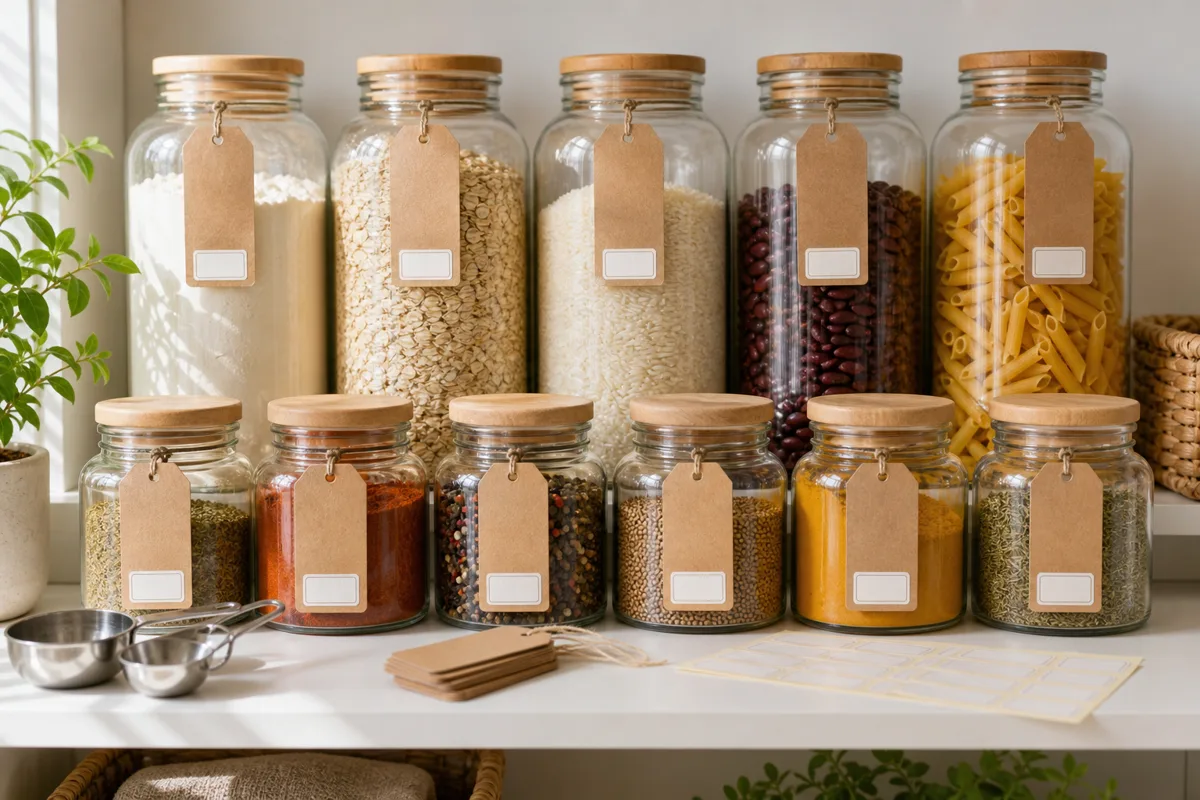
Keep food in its original packaging when practical. If you transfer it, copy the product name, ingredients or label reference, allergen information, and any date or lot details you may need. Never pour a new purchase directly onto an older product without first emptying and cleaning the container; mixing batches can hide older food and complicate allergen or product-recall checks.
Store products in a clean location protected from moisture, pests, excessive heat, and direct light, as applicable. Refrigerate or freeze only when the package directs or permits it, and confirm that your chosen container is suitable for that use. Package labels should take priority over general food storage tips because products and formulations differ.
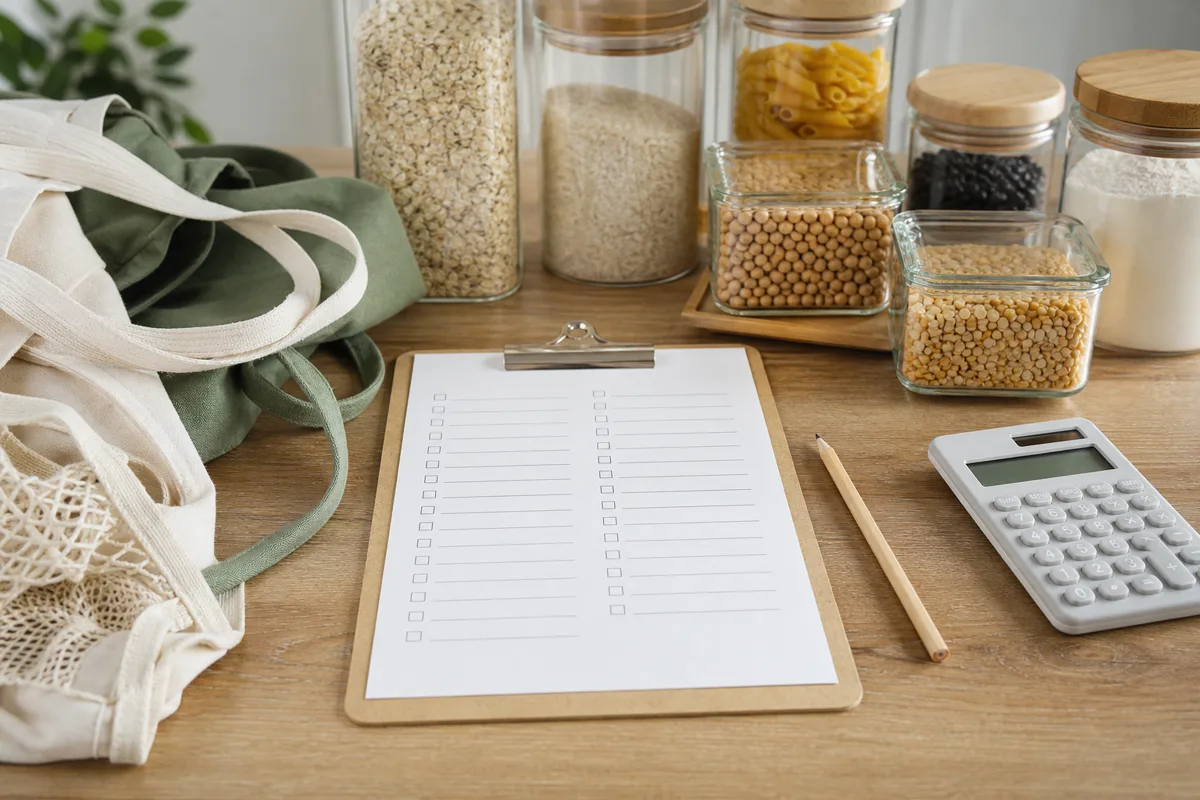
Printable pantry restock list
Copy or print this checklist, then cross out anything you already have.
Grains and flours
- All-purpose flour
- Bread flour
- Whole-wheat or specialty flour
- Cornmeal
- Rolled or quick oats
- Barley or other grains
Baking
- Granulated sugar
- Brown sugar
- Powdered sugar
- Baking soda
- Baking powder
- Cornstarch
- Cocoa
- Chocolate chips
- Yeast
- Vanilla or extracts
- Baking mixes
Beans, rice, and pasta
- Dried beans
- Lentils
- Split peas
- White or brown rice
- Egg noodles
- Macaroni or spaghetti
- Soup pasta
Spices and seasonings
- Salt and pepper
- Garlic and onion powder
- Cinnamon
- Everyday herbs
- Favorite seasoning blends
- Bouillon or soup base
Snacks, fruit, and nuts
- Pretzels or crackers
- Popcorn
- Granola or snack mix
- Dried fruit
- Nuts
- Seeds
- Baking or snacking candy
Soup ingredients
- Soup beans or mix
- Barley, rice, or noodles
- Dried vegetables
- Broth base
- Soup herbs
- Packaged soup mix
Storage supplies
- Food-safe containers
- Replacement lids
- Labels and marker
- Resealable bags
- Freezer-safe supplies
- Pantry inventory sheet
Before checkout
- Compare unit prices using the same unit
- Confirm package size fits available storage
- Read ingredient and allergen labels
- Check storage and preparation directions
- Verify product origin if it matters to you
- Keep labels for repackaged products
- Remove impulse items unlikely to be used
Frequently asked questions
Is every product at an Amish bulk food store made by Amish producers?
No. Stores may carry goods from local farms, regional suppliers, national distributors, or other sources. Ownership, packaging, and product origin also vary. Read labels and ask the store if production source or location is important to your purchase.
How much should a small household buy?
Start with enough to cover your normal cooking for a practical period, based on package guidance and available storage. Choose smaller quantities for spices, nuts, specialty flour, and unfamiliar products. A small package that gets fully used can be a better value than a large bag that loses quality.
Are bulk foods safe for people with food allergies?
Allergen risks differ by product and handling environment. Read the complete label and cross-contact statement, and ask how store-packed foods are received, divided, and labeled. Do not assume that a product is allergen-free because its basic ingredient normally excludes a particular allergen.
What should I do with labels after transferring food to containers?
Keep the original label or photograph it clearly. Record the product name, ingredients, allergen warning, storage instructions, package date, and lot information when available. This preserves important details if you need preparation guidance, want to repurchase the item, or learn of a product recall.