
What to Buy at Amish Bulk Food Stores
A shopper's guide to the pantry staples, baking supplies, spices, snacks, and storage habits that make Amish bulk food stores useful.
This practical guide follows our source, correction, and uncertainty standards.
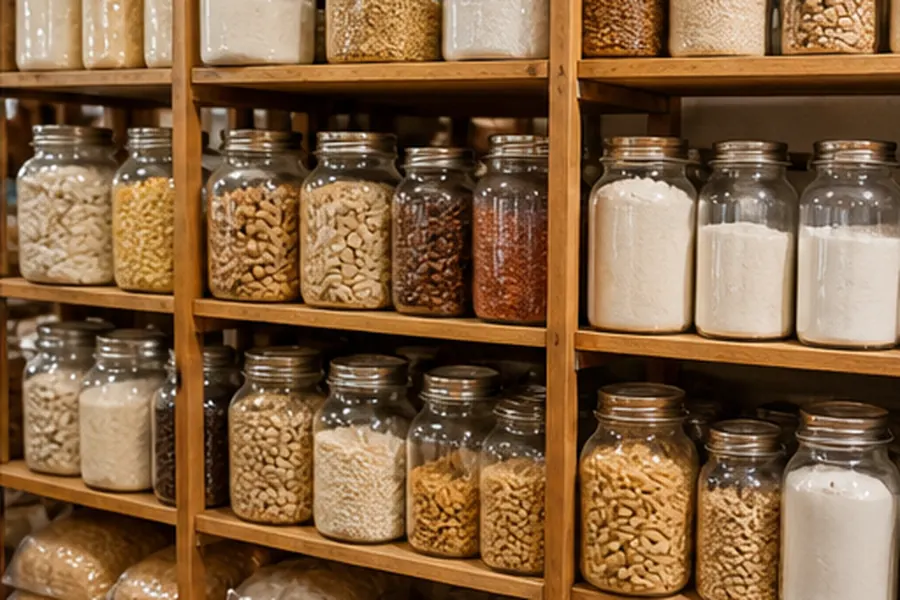
AI-generated editorial illustration; not a photo of a listed business.
Amish and plain-community bulk food stores are useful because they make pantry shopping practical. Instead of buying only standard supermarket packages, you can often choose a bag size that fits your household, compare unfamiliar ingredients in a smaller quantity, or stock up on something you use every week.
The word “bulk” describes how products are packaged and sold; it does not guarantee that every item was grown locally or made by an Amish producer. Some stores repackage nationally distributed goods, while others carry local cheese, noodles, baked goods, preserves, or seasonal produce alongside them. If origin matters, read the label and ask a specific question rather than relying on the store name.
Start with baking staples
Bulk food stores are especially strong for people who bake regularly. Look for:
- Flours and specialty grains
- Yeast and baking powder
- Oats, bran, and cereal mixes
- Chocolate chips and baking chips
- Dried fruit and nuts
If you do not bake often, avoid buying more than you can use while it is fresh. Bulk shopping only saves money when the food does not sit unused. You can explore bulk foods stores across the directory, including well-known destinations like Ashery Country Store in Ohio and Fisher’s Country Store in Pennsylvania.
For flour, check whether the label identifies the grain and intended use. Bread flour, all-purpose flour, pastry flour, whole-wheat flour, and alternative grains behave differently in a recipe. Buy a modest amount the first time unless you already know how quickly your household uses it.
Compare spices by freshness and package size
Spices are one of the easiest wins. Many bulk food stores sell practical package sizes at better prices than supermarket jars.
Buy smaller bags the first time you try a spice blend. Once you know you like it, larger packages make more sense. Compare the unit price—not just the sticker price—and look for a packed-on or best-by date when the store provides one. A low price is not useful if a large bag loses its aroma before you finish it.
Whole spices such as peppercorns, nutmeg, and some seeds often retain flavor longer than ground versions. Frequently used basics such as cinnamon, garlic powder, paprika, and seasoning salt can be practical buys, but unusual blends deserve a small trial bag first.
Build a useful dry-goods shelf
Grains, beans, pasta, soup mixes, and dried noodles are often the workhorse section of a bulk food store. Before buying, think in meals rather than pounds:
- Rolled or steel-cut oats for breakfasts and baking
- Rice, barley, or dry beans for soups and side dishes
- Egg noodles or pasta for quick pantry meals
- Cornmeal, bread crumbs, or cracker crumbs for recipes you already make
- Soup bases and dry mixes for busy-weeknight meals
Read preparation directions before checkout. A soup mix may require ingredients you do not keep at home, and a dried bean variety may need soaking or a longer cooking time. If a package has no directions, ask the store how customers usually prepare it.
Look for practical snacks
Bulk stores often carry trail mixes, pretzels, granola, dried fruit, candy, crackers, and local snack mixes. These can be good road-trip purchases, but check package dates and storage instructions when available.
This is also the easiest category to overspend in because the bags look inexpensive one at a time. Choose one or two items the household already likes, then leave room for a small local or seasonal item that you cannot find at home.
Treat cheese, meat, and refrigerated food differently
Some country stores have strong deli, cheese, butter, or refrigerated sections. These purchases need a little more planning than dry goods. Bring an insulated cooler with ice packs if the store is not your final stop, especially in warm weather. Review the package date and storage instructions, and ask whether a cheese is made locally if provenance matters to you.
Do not let cold items sit in a parked car while you continue a long shopping route. Our cooler-packing guide explains how to order your stops so the most temperature-sensitive purchase comes last.
Compare price, package size, and waste
A bulk store can offer good value without every product being the lowest price in the region. Compare three things:
- Unit price. Divide the package price by ounces or pounds when sizes differ.
- Usable quantity. A five-pound bag is not a bargain if half goes stale.
- Quality for the purpose. Premium nuts may matter in a gift or special recipe; basic pantry rice may not require the same standard.
Bring a short reference list with the usual prices of five or six products you buy often. That is more reliable than assuming every bulk package is automatically cheaper than a supermarket sale.
Read labels for allergens and ingredients
Repackaged foods should still be treated like any other packaged grocery. Read the ingredient and allergen statements, particularly for candy, baking mixes, granola, soup bases, and products that may contain milk, wheat, peanuts, tree nuts, soy, or sesame. If labeling is missing or unclear, do not guess—ask an employee or choose another item.
People with medically necessary dietary restrictions should be cautious about shared scoops, repackaging areas, and cross-contact. A rustic presentation is not evidence of an allergen-controlled facility.
Plan your storage before checkout
Bring the food home, then move it into airtight containers. Label the container with the product name and purchase month.
That small habit matters most for:
- Flour
- Nuts
- Dried fruit
- Baking chips
- Spices
- Soup mixes
Keep any cooking directions and allergen labels with the food. For flour, grains, nuts, or dried fruit that you will not use soon, follow the product’s storage guidance and consider whether refrigerator or freezer space is appropriate. Do not combine a new purchase with an older container until you have checked both for freshness.
What to bring to the store
A small kit makes a multi-stop shopping day easier:
- A written list with target quantities
- Your phone or calculator for unit-price comparisons
- Reusable bags or a box to keep packages upright
- A cooler for cheese, butter, meat, or other cold goods
- Cash and a backup payment method because policies vary
- The store phone number and current hours for a final check
Use the near-me store finder to compare mapped stores, or build a route from the state directory. Individual listings may include phone numbers, websites, payment notes, products, and a source-review date, but inventory can still change between updates.
Buy for your real habits
The best bulk food purchase is not always the biggest bag. It is the amount your household will actually use while it still tastes fresh.
Start smaller, learn what you like, and build your pantry around repeat purchases.
Quick questions before checkout
Is this product made locally?
Ask about the specific item. A store can sell both local products and nationally distributed goods.
Is the largest package always the best value?
No. Compare the unit price, then choose an amount you can use while it is fresh.
Should I bring cash?
Bring some cash, but do not assume every store has the same policy. Check the listing and confirm directly when payment options matter.
When should I visit for the best selection?
Dry goods may be steady, but bakery, deli, produce, and seasonal inventory can vary. Call ahead for a specific item or a long drive.