
What to Bring to an Amish Country Store: Cash, Coolers, Bags, and Route Notes
Pack smarter for an Amish country store trip with cash, cooler space, reusable bags, product notes, and a flexible route plan.
This practical guide follows our source, correction, and uncertainty standards.
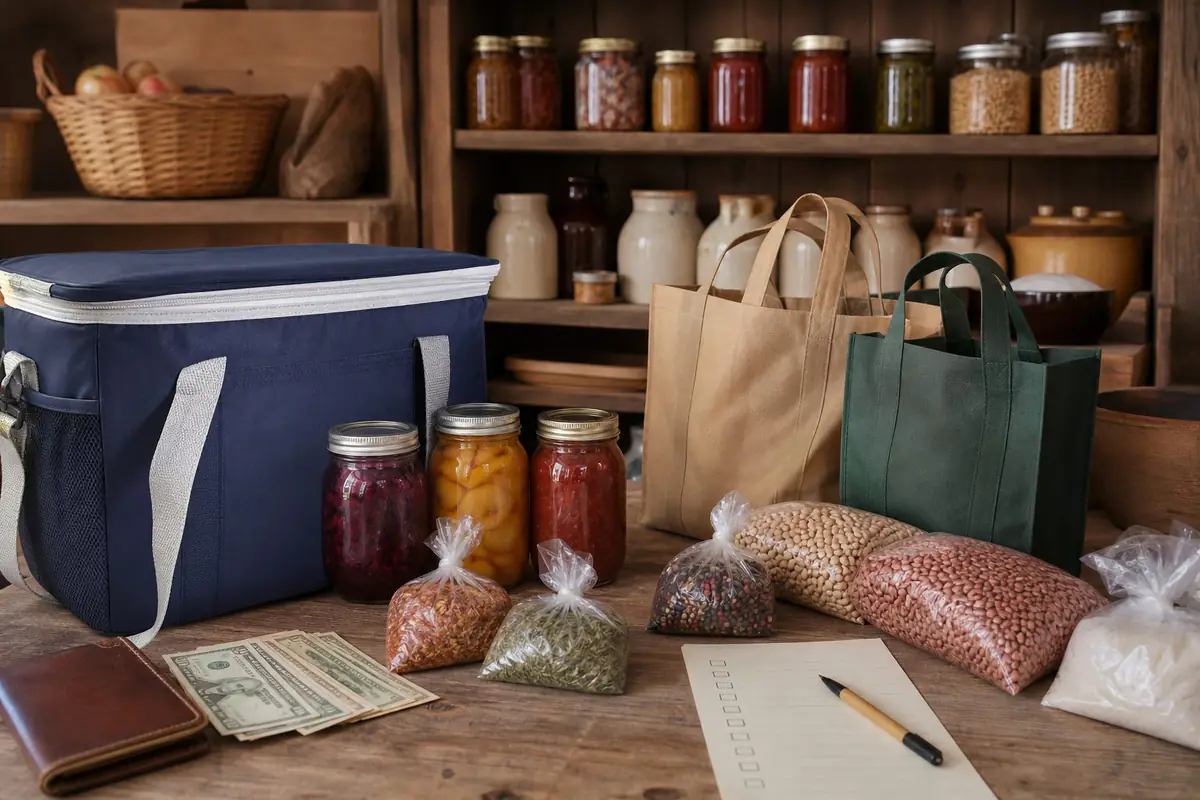
AI-generated editorial illustration; not a photo of a listed business.
An Amish country store trip goes better when you pack for the kind of shopping rural stores actually support. You may come home with flour, spices, cheese, eggs, bread, produce, preserves, quilts, fabric, wooden goods, or a custom order receipt.
A small trip kit keeps those purchases organized and helps you handle payment, temperature, and route changes without stress.
Pack for Amish country store shopping before you drive
Start by deciding what type of store you are visiting. A bulk foods store needs pantry planning. A farm market needs cooler space. A bakery needs flat storage. A furniture store needs measurements and questions.
If you are not sure what is nearby, use search, browse stores by state such as Pennsylvania, Ohio, or Indiana, or open near me to compare store types before you leave. In popular hubs like Lancaster County, you can explore multi-department destinations such as The Markets at Shrewsbury or historic stops like Lancaster Central Market.
Bring cash and small bills
Payment options vary. Some stores take cards, some take checks, and some are cash only. Cash is still the safest backup, especially for smaller rural stores, roadside stands, and seasonal markets.
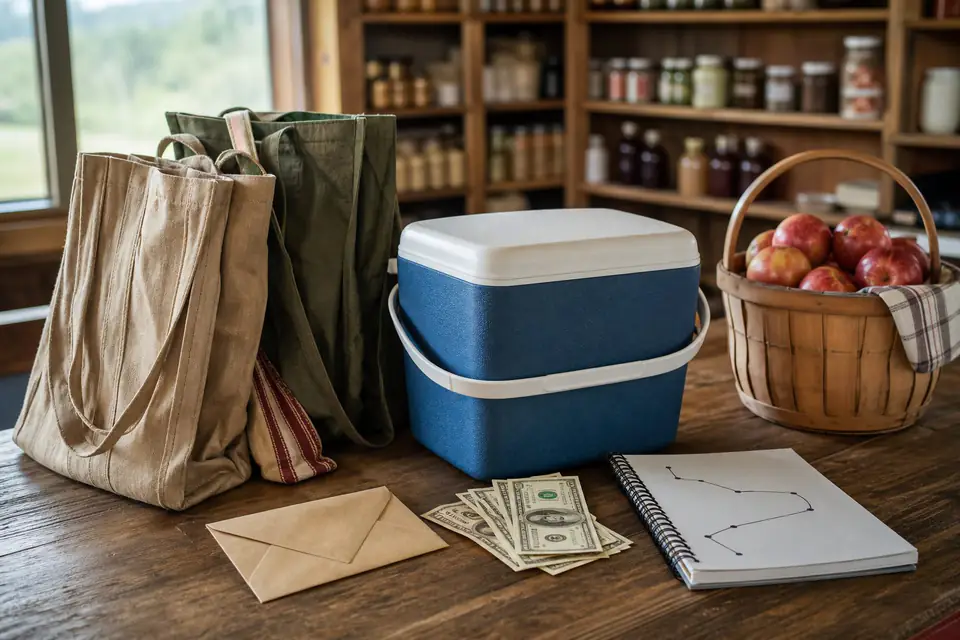
Bring:
- Small bills for quick checkout
- A separate envelope for the shopping budget
- Checkbook if you use checks and the store accepts them
- A card as backup where accepted
Do not assume that a card reader will be available just because a store has a website or phone number.
Bring a cooler
A cooler is useful for more than summer produce. It also helps with eggs, dairy, cheese, meat, cream-filled baked goods, and long drives between stops.
Use cooler space for:
- Eggs
- Cheese
- Butter or dairy items
- Meat
- Berries and delicate produce
- Cream pies or filled pastries
Keep dry bakery items separate so bread, rolls, and pies do not pick up moisture.
Bring bags, boxes, and flat storage
Reusable bags are helpful, but they are not enough for every purchase. Add a flat box or basket if bakeries or produce stands are part of the route.
Pack:
- Reusable grocery bags
- Flat box for pies and rolls
- Small crate for jars and preserves
- Towel or liner for plants and produce
- Cooler bag for quick stops
If you plan to buy bulk flour, oats, grains, or spices, leave enough vehicle space for heavier bags.
Bring a short shopping list
Country stores can be distracting in a good way. A short list keeps you from forgetting the reason for the trip.
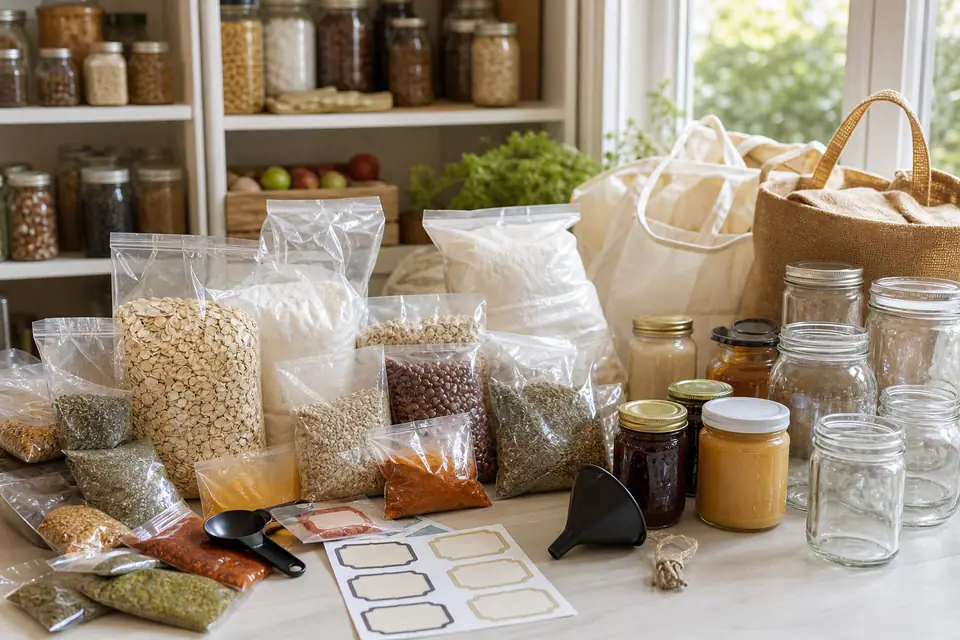
Separate the list into:
- Must-buy items
- Nice-to-have items
- Price-check items
- Gift ideas
- Items to call about next time
For bulk foods, write down what you already have at home. Buying a large bag of something you forgot you owned is not a bargain.
Bring route notes and backup stops
Rural routes change. A store may be closed, shelves may be picked over, or you may finish early. Save one or two backup stops before leaving.
Useful backup pages:
If the main stop is important, call ahead. If a backup stop is optional, do not overplan it.
Pack the vehicle by temperature and fragility
Set up the vehicle before the first purchase. Keep cold items in a shaded cooler zone, jars and heavy pantry goods low and contained, bread and pies on a flat upper surface, and plants or produce away from crushing weight. A laundry basket or small crate can stop jars and bottles from rolling across the trunk.
Use three simple zones:
- Cold: meat, dairy, eggs, cheese, berries, and cream-filled bakery items.
- Stable: flour, grains, canned goods, jars, soap, and household supplies.
- Fragile: bread, pies, frosted desserts, plants, crafts, and gift items.
Bring more cooler capacity than the shopping list suggests if the route includes several food stops. An unplanned cheese, meat, or frozen-food purchase should not force you to choose between food safety and finishing the trip.
Keep a purchase and receipt envelope
A small envelope or zip pouch makes multi-stop shopping easier. Keep paper receipts, custom-order documents, business cards, care instructions, and warranty information together. On the outside, note which items need refrigeration, which gifts need to stay hidden, and which products you want to reorder later.
For unlabeled or repackaged bulk foods, write the product name, purchase date, and any cooking ratio or ingredient information provided by the store. Do not rely on memory after transferring products into home containers.
Prepare for children, mobility needs, and long drives
If anyone in the group has mobility, restroom, allergy, or dietary needs, confirm those before treating a small rural store as a long stop. A map listing may not describe steps, gravel, narrow aisles, accessible entrances, or public restrooms.
Pack water, medications, a simple snack, and weather protection for the drive. Keep children close around parking lots, farm equipment, animals, loading areas, and fragile merchandise. A respectful visit is easier when the group is comfortable and not rushing.
Bring respect for store customs
Many Amish and plain-community stores are simple, family-run, or rural. Be patient, ask before taking photos, avoid photographing people without permission, and do not treat the store like a theme attraction.
If you want a deeper visitor primer, browse the guides before planning a longer trip.
Quick packing checklist
Use this before leaving:
- Cash and small bills
- Cooler with ice packs
- Reusable bags
- Flat box or crate
- Shopping list
- Route notes
- Phone charger
- Store phone numbers
- Room measurements for furniture trips
- Towel or liner for plants and produce
The goal is not to pack heavily. It is to avoid the small problems that make a good route harder than it needs to be.
FAQ
Do Amish country stores take credit cards?
Some do, but not all. Bring cash unless you have confirmed card payment is accepted.
Should I bring a cooler to Amish stores?
Yes if you might buy eggs, cheese, dairy, meat, berries, produce, or cream-filled bakery items, especially in warm weather or on longer routes.
What should I bring for bakery purchases?
Bring a flat box, basket, or sturdy tote so bread, rolls, pies, and pastries do not get crushed.
How do I find more stores near my route?
Use near me while traveling, or plan ahead with search, types, and states.