
Bulk Food Shopping for Two: 15 Pantry Picks Without Overbuying
Plan bulk food shopping for two with fifteen pantry picks, useful amount calculations, unit-price comparisons, and ideas for a compact kitchen.
This practical guide follows our source, correction, and uncertainty standards.
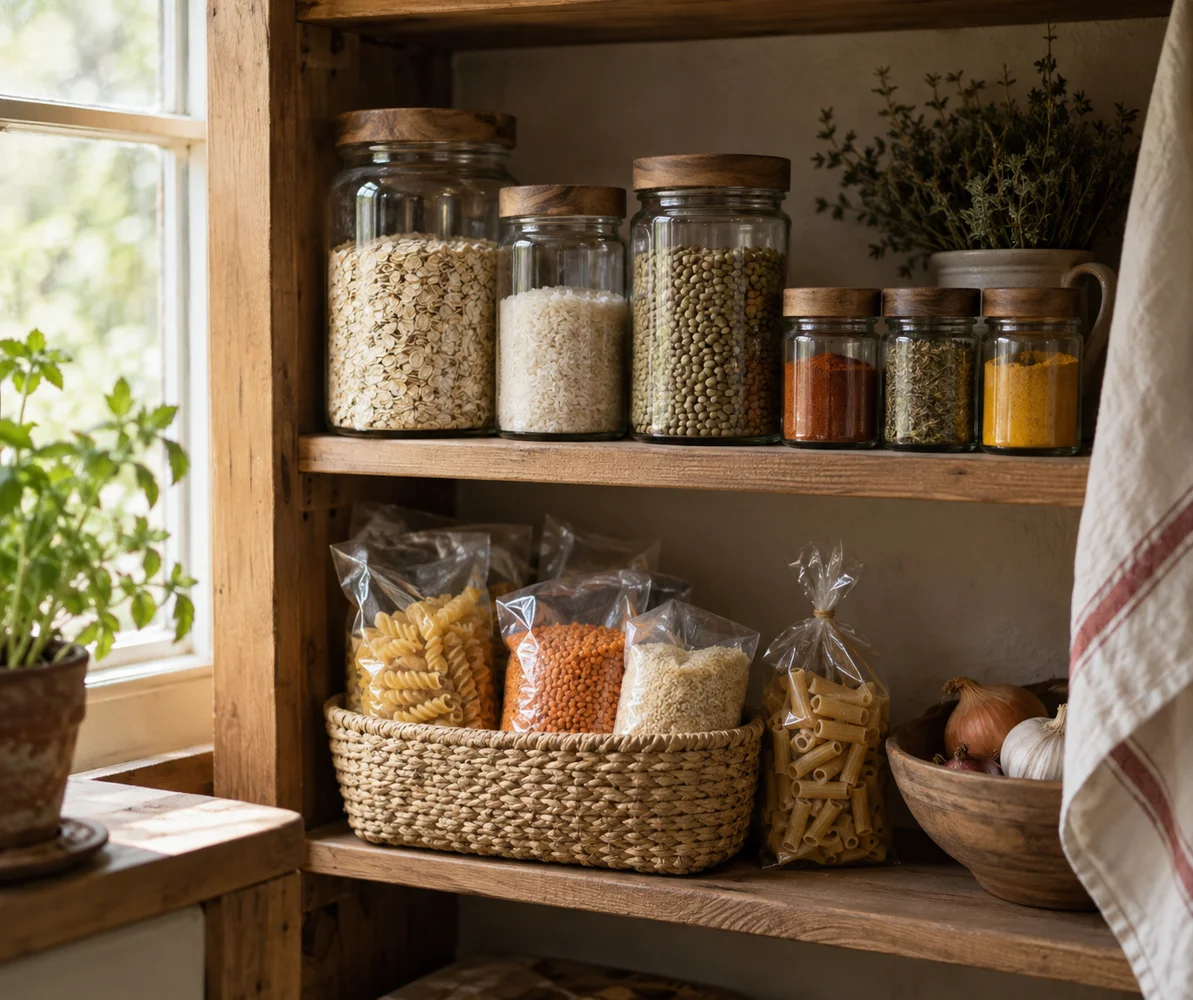
AI-generated editorial illustration; not a photo of a listed business.
Buying bulk food for two is less about finding the biggest bag and more about choosing amounts that fit your meals, cupboards, and habits. A country store can be a useful place to compare pantry staples, but bulk packaging does not automatically mean a lower cost or a better purchase. These fifteen pantry picks give you a starting list and a reason to choose a modest amount. Use your own recent cooking as the guide: food you actually finish is more useful than a shelf full of ambitious purchases.
Bulk Food Shopping for Two Starts with What You Use
Before leaving home, check the pantry and write down what is open. Note which foods appear in your regular meals and which keep getting pushed to the back. Choose a practical shopping horizon based on your routine and each product’s storage guidance, not a universal claim that every dry food will last a certain time.
A simple planning calculation is amount used per meal × planned meals, minus what you already have. If two planned breakfasts use a total of one cup of oats and you already have half a cup, your shopping need is half a cup for that plan. Store packaging may require a different quantity; the calculation tells you whether that package fits, not that every shop sells custom amounts.
| Purchase situation | Better question | Useful decision |
|---|---|---|
| Large bag has a lower unit price | Can we finish and store it? | Compare likely use before buying |
| Small bag costs more per ounce | Does it prevent unused excess? | Consider the total purchase cost |
| New ingredient looks interesting | Which meal will use it? | Try a modest package first |
| Pantry is already full | What will this replace? | Finish an open item before adding another |
1. Oats for Your Actual Breakfast Routine
Choose the type your household already prepares. Quick, rolled, and other oats may have different preparation instructions, so read the package rather than buying by appearance. Estimate how often both people eat oatmeal and whether one prefers another breakfast.
One useful package is better than several varieties competing for space. If you also bake with oats, add that use to the calculation, but do not count an unplanned baking project as a reason for a much larger bag.
2. Rice for Regular Meals
Buy a familiar rice type that fits your cooking method and meals. Compare package directions, not just price. Choose an amount that fits an appropriate container without needing to split it across several unmarked jars.
If one person usually eats rice only once a week, a large bag may be unnecessary even when its unit price is attractive. Plan actual rice meals before choosing the package.
3. Pasta in One or Two Shapes
Start with a versatile short pasta or the shape you use most. Several half-used packages can occupy more space than one practical choice. Check whether the pasta works with your usual sauces and whether both people like it.
If a specialty shape is new to you, choose a small trial package. Keep cooking directions and the original label with it after opening.
4. Dry Beans with a Meal Plan
Choose beans only if their preparation fits your routine. Read the directions and consider whether you actually make meals requiring them. Buying a large bag because beans seem like a pantry essential is less useful than planning the soup or supper first.
For a household that rarely prepares dry beans, start with a modest package or another product you use more regularly. This guide is a shopping plan, not a substitute for safe preparation instructions.
5. Lentils for a Familiar Dish
Lentils can fit soups or other meals, but types differ in cooking behavior. Choose the variety named in your recipe. A small package lets you see whether it belongs in your regular rotation before committing shelf space.
Avoid buying several colors simply for an attractive pantry photo. Keep a recipe or meal idea beside the item on your shopping list.
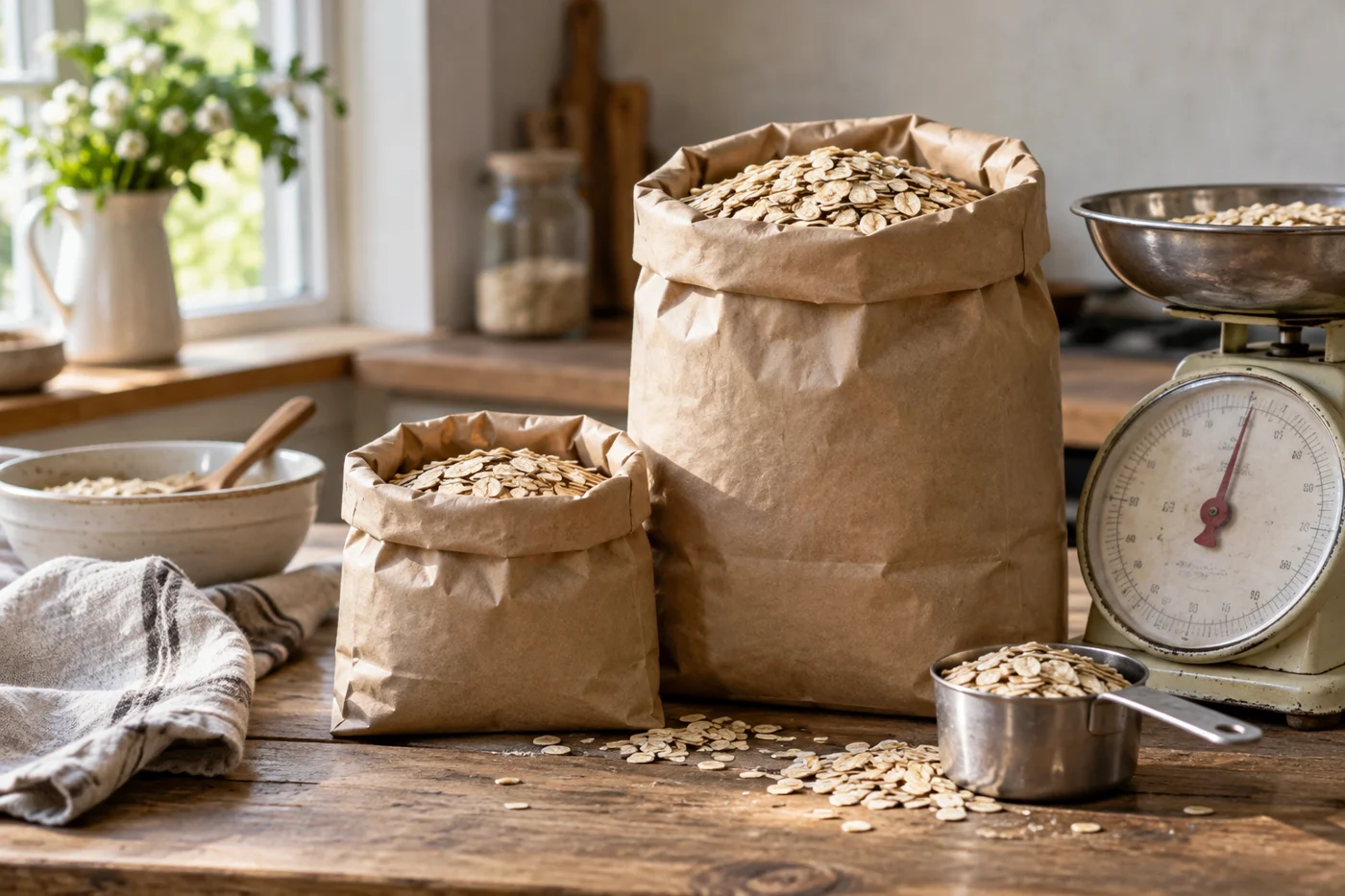
AI-generated editorial illustration; not a photo of a listed business.
6. Flour That Matches Your Baking
Choose the type required by the baking you actually do. Different flours are not automatically interchangeable. For occasional baking, a smaller familiar package may be easier to use than a large specialty bag.
Look at how much remains at home before shopping. Our baking pantry guide explains how to build a focused ingredient list without collecting supplies for unused projects.
7. Sugar in a Useful Package
Separate everyday use from occasional baking. If your household uses sugar only for a few recipes, choose an amount aligned with those recipes. Buying several sweeteners at once can create unnecessary storage demands.
Keep packages clearly identified. Similar-looking ingredients should not become anonymous contents in matching containers.
8. Cinnamon You Will Finish
A small spice package may be more useful than a large bargain bag. Count the recipes or breakfasts that actually use cinnamon, and check what is already open. Choose secure packaging and follow the storage guidance.
The same principle applies to other spices: familiar daily use justifies a larger amount more readily than a recipe you may try once.
9. One Savory Herb or Spice Refill
Replace a seasoning you are running low on instead of buying a full assortment. A focused refill keeps the cupboard understandable and prevents duplicate containers. Write the exact product name from your current label on the list.
If a blend is unfamiliar, read its ingredients. It may include components you already own or prefer not to use.
10. Dried Fruit with Two Uses
Choose a fruit that suits both a regular breakfast and a snack or baking project. That gives the package more opportunities to be used. Check added ingredients and food preferences before buying.
Do not assume every dried fruit is an equal substitute in a recipe. Start with the type the recipe calls for, or use the fruit in a simpler familiar way.
11. Nuts or Seeds in Modest Amounts
Buy only what the household wants and can safely eat. Check labels and relevant allergen information, including retailer guidance when products are store-packed. Follow package storage instructions.
A trial amount is sensible for an unfamiliar variety. A large mixed assortment is not automatically more useful than one ingredient that appears in several meals.
12. Baking Chips for a Known Project
Choose the chip or baking-piece type your recipe needs. Estimate how many batches you intend to make, then check whether the package fits that plan. Resist buying several novelty flavors without recipes in mind.
Keep the bag protected from damaging storage conditions and seal it as instructed after opening. A clear project makes this purchase easier to judge.
13. Popcorn for Your Equipment
Choose a popcorn product that suits the way you prepare it. Kernels require appropriate cooking equipment and directions; another product may fit your routine better. Think about actual movie nights rather than an imagined daily snack habit.
One seasoning is usually enough for an initial purchase. You can add variety later after learning which flavor both people use.
14. A Soup Mix with Clear Directions
Read whether a mix requires meat, broth, milk, or fresh vegetables. A compact package can still create a substantial additional shopping list. Choose it for a specific meal so the extra ingredients are part of the plan.
For gift versions, see soup night baskets. For your own pantry, the useful question is whether the directions fit a normal weeknight.
15. One Treat You Both Enjoy
A small shared treat can belong in the list without turning the trip into a candy stock-up. Choose a favorite and an amount you can comfortably use. If your preferences differ, two small packages may be more practical than one large compromise bag.
Treats need the same label and storage checks as pantry staples. Do not assume a food suits a dietary requirement because it came from a specialty shop.
Fit the Purchase to the Cupboard
Measure available shelf height and depth before buying storage containers. Keep ingredient information and dates accessible if you transfer food, and choose containers suitable for that food. Attractive identical jars are optional; clear identification and appropriate storage are the priorities.
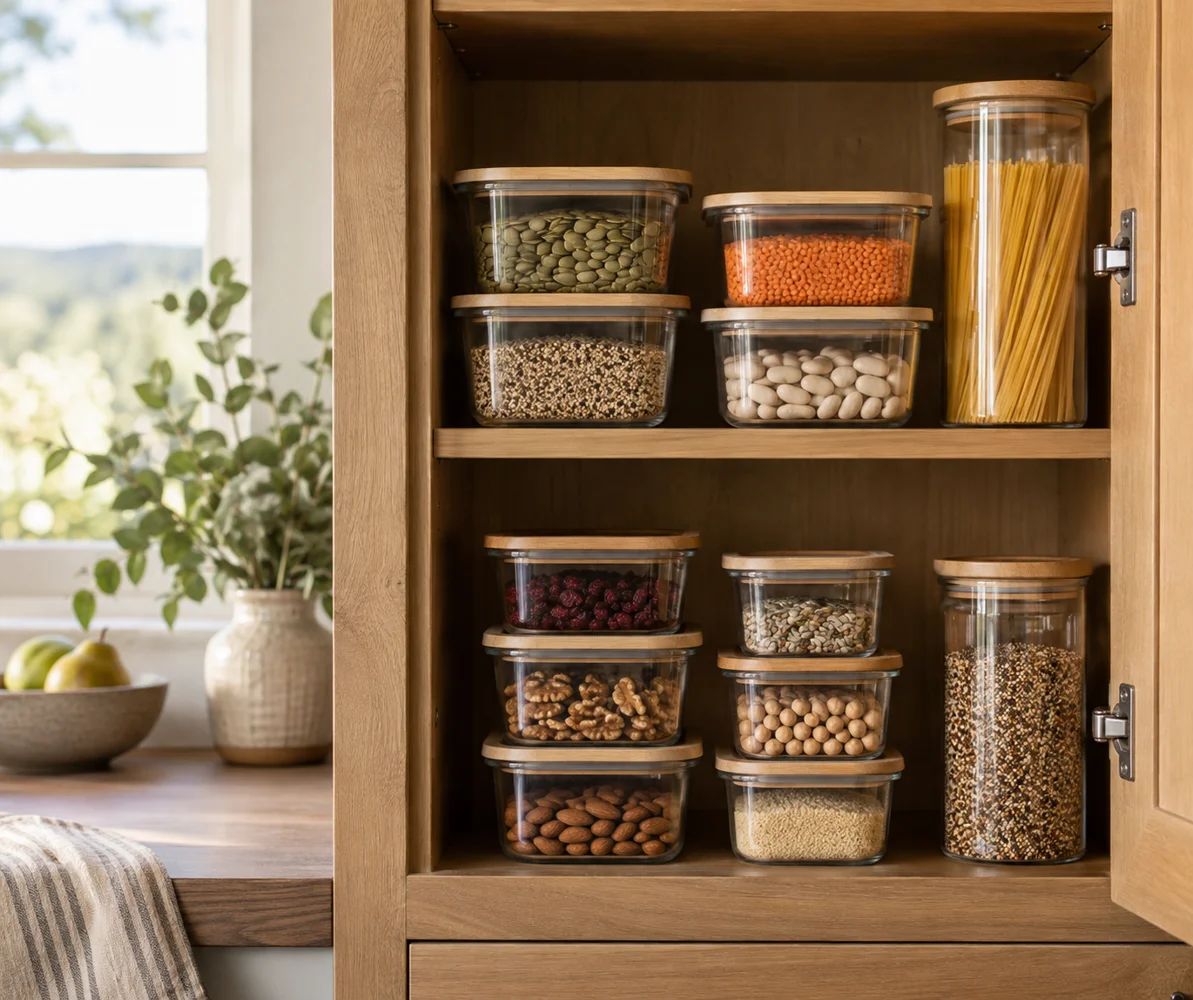
AI-generated editorial illustration; not a photo of a listed business.
Use older suitable stock before opening a replacement, following product guidance. Put a new purchase where you can see it rather than stacking it behind forgotten bags. Leave room to remove containers without unloading the whole shelf.
Compare Total Cost as Well as Unit Price
Here is a hypothetical calculation, not a current store price. A two-pound bag costing $4 has a lower price per pound than a one-pound bag costing $2.50. But if you use only one pound and the rest goes unused, the smaller purchase may better fit your needs. Storage containers, a special trip, and unused food can change the practical value of a bargain.
Check package weights and calculate in the same units. When two products differ in type or quality, price alone does not make them equivalent.
Frequently Asked Questions
Is bulk food shopping worthwhile for two people?
It can be when package sizes, prices, and products fit your actual use. Compare total cost and storage needs rather than assuming larger bags always save money.
Do Amish bulk food stores sell from open bins?
Some stores offer different packaging formats, while others sell prepacked amounts. Ask the specific business rather than assuming you can buy any quantity or bring containers.
How much should I buy on my first visit?
Start with a short list of familiar staples and modest amounts of new foods. Your existing meals and package directions should guide the decision.
Can I buy with a friend and divide the purchase?
Only choose that approach if you can divide, label, handle, and store the food appropriately. Agree on the amount and cost before purchasing, and retain ingredient information.
Browse bulk food stores, then use nearby search to choose a trip that makes sense for a small shopping list.