
Shipshewana Shopping Day Trip: Food, Handmade Finds, and Backup Stops
Plan a Shipshewana shopping day around one useful purchase. Compare handmade goods, check current schedules, add a food stop, and prepare a backup.
This practical guide follows our source, correction, and uncertainty standards.
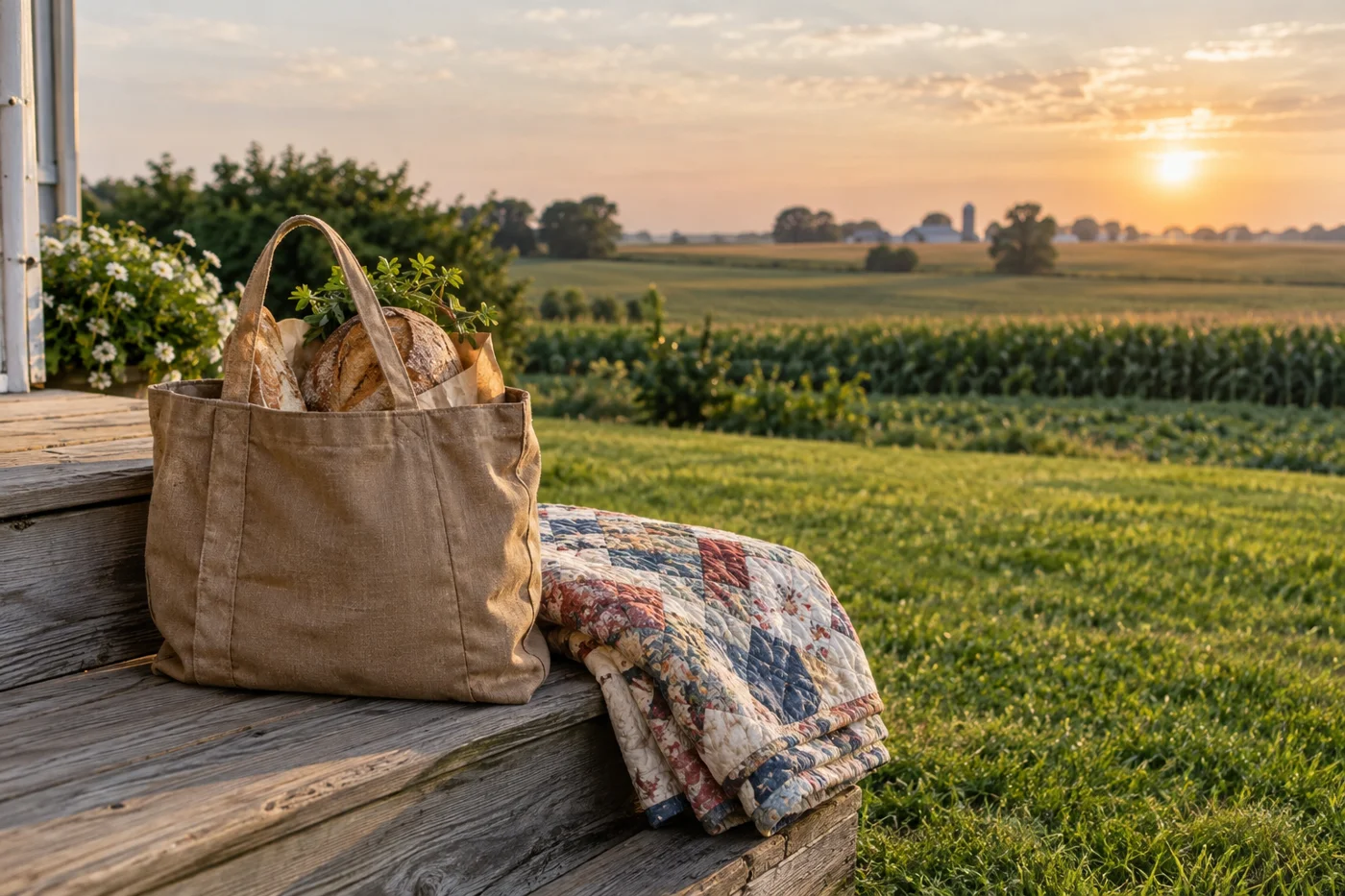
AI-generated editorial illustration; not a photo of a listed business.
Shipshewana shopping can include food, quilts, household goods, and other finds, but one day works better when you choose which of those matters most. A handmade purchase may need careful questions, while a bakery or pantry stop may be a focused pickup. This guide helps you combine them without treating every shop as mandatory. It is a flexible route template, not a verified itinerary or a promise about a particular business’s current stock.
Shipshewana Shopping Day Trip with One Clear Anchor
Start with Visit Shipshewana’s stores and shops directory for regional shopping context, then compare relevant Indiana store listings. Verify actual addresses before combining candidates. A statewide result may be outside the area you intend to visit.
Keep year-round shopping decisions separate from a specific market, auction, festival, or other scheduled event. Check the organizer’s current calendar and details if an event is part of your plan. Do not assume its schedule matches ordinary shops or that all sellers share the same payment and access policies.
Pick the Purchase That Needs the Most Attention
A quilt, furniture piece, or handmade household item can require more comparison than a bread purchase. If that decision is the purpose of the trip, make the relevant store your anchor. Bring measurements, recipient preferences, or questions about the maker.
For a food-focused outing, make the needed product the anchor instead. A longer handmade-shopping visit becomes optional rather than something squeezed between products with handling requirements.
| Main purpose | Anchor preparation | Suitable companion |
|---|---|---|
| Quilt purchase | Dimensions, use, maker questions | Brief bakery stop |
| Kitchen gift | Recipient and material preferences | Pantry accompaniment |
| Pantry refill | Types and amounts needed | One planned bakery item |
| Furniture comparison | Room measurements and appointment check | Short optional shop visit |
Separate Handmade Appearance from Verified Origin
Ask who made the item, where it was made, and what work was done by hand. Country shops can sell goods from different producers. A patchwork pattern, wood grain, or rustic display does not establish Amish origin.
Write down the seller’s answers and retain any documentation supplied. If a claim matters to your decision, ask for a clear explanation rather than relying on a broad label. The quilt buying article offers twelve details to compare without treating price or appearance as proof.
Give the Handmade Stop Enough Room
Prepare a short question list and prioritize the answers you need. For a quilt, that may include size, construction, fibers, care guidance, and maker information. For a kitchen item, it may include intended use, material, and care.
Ask before handling displays or taking photos. If you are considering a custom order, confirm how the business handles specifications, payment, timing, delivery, and changes. Do not assume an in-stock showroom sample can be taken home or that every seller offers the same ordering process.
Avoid a rushed decision because the next stop is waiting. You can make a comparison visit and purchase later once your questions are answered.
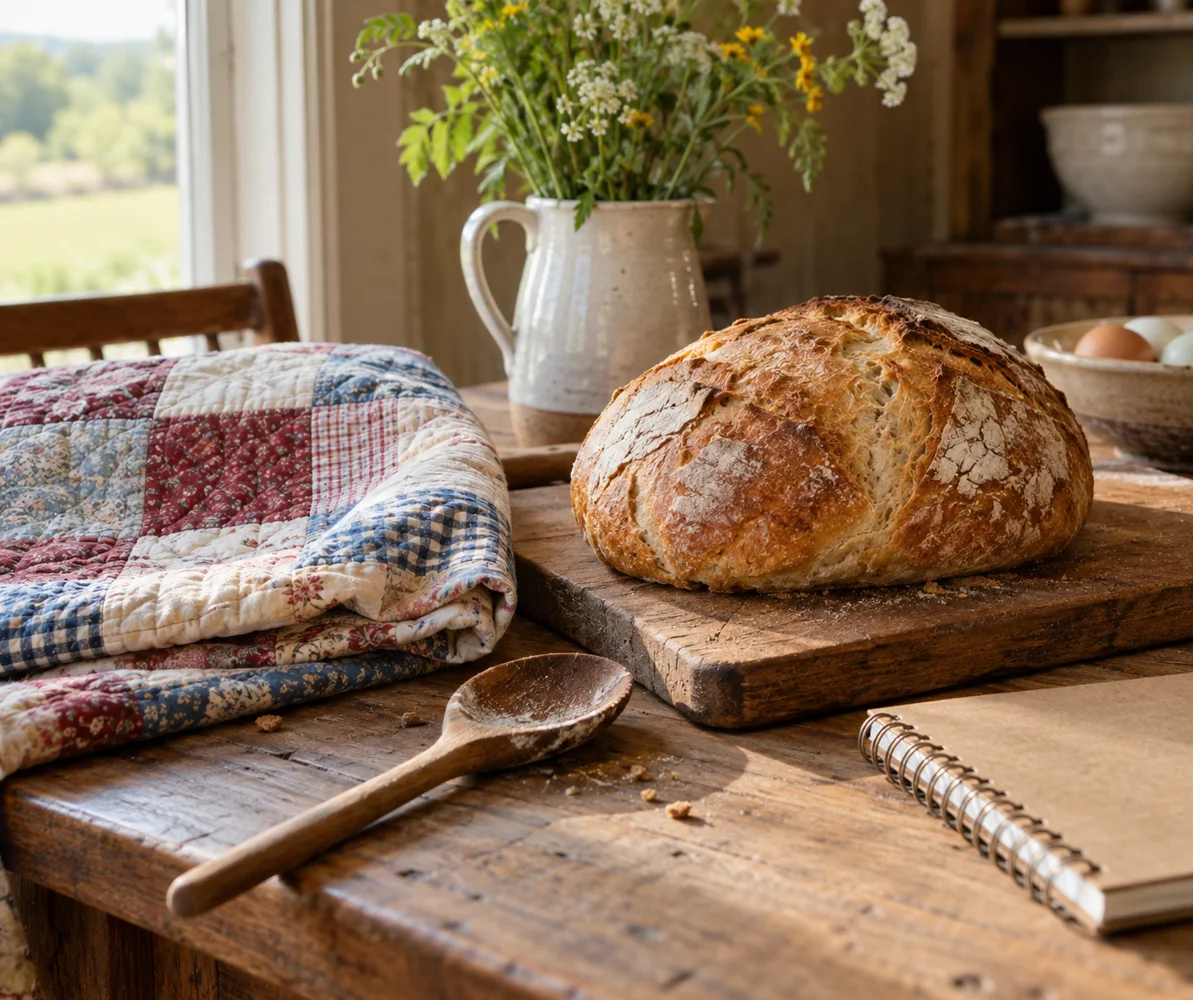
AI-generated editorial illustration; not a photo of a listed business.
Add Food That Fits the Drive
Choose a short pantry or bakery list with a purpose: household bread, a gift accompaniment, or ingredients for planned meals. Ask about stock and ordering if one product is important to the trip.
Read package and retailer handling instructions. Keep food separate from textiles and new household goods, especially if bags may leak or fragrances could transfer. A blanket or quilt purchase should not share an unprotected bag with produce or jars.
For compact gift combinations, see bakery hostess gifts and shelf-stable country store gifts. Do not let an optional food stop become a second large shopping mission.
Map the Day with Current Details
Compare actual store addresses using current driving directions. Group nearby purposes and avoid repeating the same stretch of road for a small purchase. Check local travel conditions and keep the timing flexible.
Contact each business about current opening details, your desired products, payment options, and relevant access questions. Ask about parking or facilities rather than assuming a shopping district’s general information applies to every retailer.
If you plan to attend an event, verify its date, location, entry requirements, and current visitor information separately. An event should be a deliberate part of the route, not something inferred from a general mention of Shipshewana shopping.
Prepare One Backup That Replaces a Stop
Choose a backup only if it serves the same useful purpose and you have checked its details. If the anchor shop is unavailable, the backup may replace it. If the optional bakery is closed, you can skip it without searching for multiple alternatives.
A gift purchase can also have a backup category. For example, if no quilt meets the recipient’s needs, a smaller documented handmade item may suit them—but only if it is actually wanted. Do not buy an expensive substitute just to justify the drive.
A Worked Handmade-and-Bakery Day
Suppose you want a quilt for a particular bed and one loaf for home. Measure the bed and intended drape, choose an area to shop, and identify relevant candidates. Contact the quilt seller about sizes and current access, then ask the bakery about the loaf and handling guidance.
Make the quilt visit the anchor. Compare the actual dimensions, materials, construction, maker information, and care guidance. If no piece fits, record what you learned and leave without forcing a purchase. The bakery remains a short optional stop if the day and product arrangements still fit.
The route succeeds when you make an informed decision, even if the quilt purchase waits. This example does not identify a specific store or guarantee that a retailer has the item you want.
Carry a Small Decision Kit

AI-generated editorial illustration; not a photo of a listed business.
Bring measurements, a notebook or saved question list, suitable payment after checking the business’s policy, and protective space for purchases. If food requires temperature control, bring equipment suited to its instructions.
Keep textiles protected from moisture and food. Support bakery boxes, separate glass, and secure household purchases so they cannot slide. A large find that does not fit safely in the vehicle needs a confirmed delivery or collection plan before purchase.
A Short Pre-Trip Checklist
- One main purchase and one optional companion.
- Actual locations checked against the intended area.
- Current schedules and event details verified separately.
- Measurements and maker questions prepared.
- Stock, payment, parking, and access questions answered.
- Food handling and cargo space planned.
- A checked replacement rather than several extra stops.
For a simpler family day, use the two-stop shopping plan with kids. For wet weather, the rainy-day route guide helps you decide which stops still fit.
Frequently Asked Questions
Is all Shipshewana merchandise Amish-made?
No. Ask about the specific maker and origin. Shops can carry products from multiple communities and suppliers.
Can I plan a trip around a market or event?
Yes, after checking its current official calendar and visitor details. Do not apply an event schedule to other businesses.
Should I buy a quilt before measuring at home?
Measure the intended use first. Size names alone may not describe the dimensions or drape you need.
What if the main shop has nothing suitable?
Use a checked backup, change the purpose deliberately, or treat the outing as research. A purchase is not required to make the visit useful.
Begin with Indiana listings, use store search to narrow your candidates, and contact the businesses that match your main purpose.