
Rainy-Day Amish Country Shopping: 9 Ways to Plan an Indoor Route
Plan rainy-day Amish country shopping with nine indoor-route ideas, store access checks, protective packing, and a clear decision about when to postpone.
This practical guide follows our source, correction, and uncertainty standards.
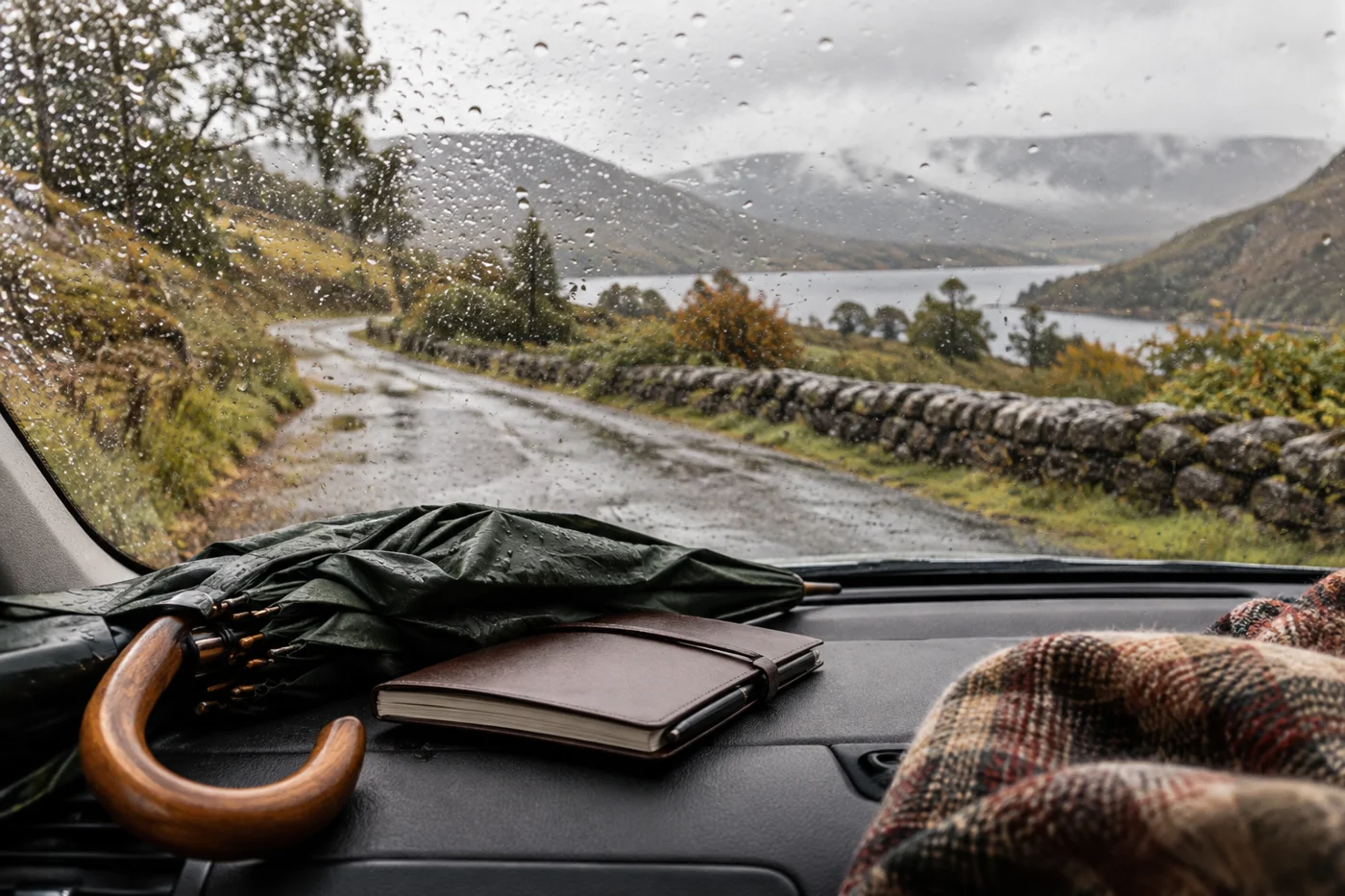
AI-generated editorial illustration; not a photo of a listed business.
Rain does not automatically cancel a country-store trip, but it changes which stops make sense. Outdoor produce displays, exposed parking areas, and fragile paper packages may need a different plan from an ordinary dry-weather outing. These nine rainy-day Amish country shopping ideas help you choose an indoor route, protect purchases, and decide when postponing is the better option. Check current conditions and each business’s actual setup before leaving.
Rainy-Day Amish Country Shopping Starts with Indoor Access
Choose businesses with confirmed indoor shopping for the products you want. A “farm market” listing does not tell you whether the store is enclosed, whether parking is paved, or how far you must walk from your vehicle. Ask about the entrance, parking, access needs, and current operation.
Check official local weather and road information for the trip. If conditions make travel unsuitable, reschedule; an indoor shopping destination does not remove the risks on the way there. This article is a planning framework, not advice to drive through hazardous conditions.
| Condition or need | Useful adjustment |
|---|---|
| Light rain with suitable roads | Short confirmed indoor route |
| Exposed produce stand | Replace with a confirmed indoor option |
| Mobility or access concern | Ask about parking and entrance directly |
| Poor visibility or road warnings | Reconsider or postpone the trip |
| Delicate packaging | Carry a protective tote or box |
1. Make One Indoor Shop the Anchor
Choose the most important purchase first and contact that business about indoor access. A bulk food shop, bakery, or furniture showroom may suit the plan, but verify the specific setting. The category alone is not proof of an enclosed visitor area.
Keep your anchor list short. Rain can slow loading, parking, and transitions even when shopping itself is indoors. Complete the main purpose before deciding whether another stop still fits.
2. Replace an Outdoor Stop Before Leaving
If your original plan included a roadside stand, ask how it operates in rain. It may remain open, change its display, or close. Choose a checked alternative ahead of time rather than searching while parked on a rural roadside.
A backup should replace the missed purpose. If you wanted a produce purchase, a furniture store is not a practical substitute merely because it is indoors. Decide whether to change the shopping goal or postpone it.
3. Group Stops by Actual Driving Directions
Use store addresses and current mapping directions to compare the route. Locations that look close in a directory may require a less direct drive. Avoid adding a distant detour for one small purchase.
Do not promise yourself a fixed travel time based only on an ordinary-day estimate. Leave flexibility for conditions and be willing to shorten the outing. Our weekend route planner explains how to keep an anchor and optional stops separate.
4. Use a Bakery Pickup Plan
Ask whether ordering ahead or another pickup arrangement is available. Confirm the item, date, packaging, and any relevant collection instructions. Do not assume a bakery offers curbside service or can hold stock without an agreement.
Bring a protective carrier for paper boxes. Keep it clean and dry, and pack purchases level. A large umbrella is not useful if it prevents you from carrying the box securely.
5. Choose a Focused Pantry Refill
A short pantry list can fit an indoor shopping stop without turning the day into a long browsing session. Check what is already at home and choose products you regularly use. Keep paper bags and cardboard boxes inside a protective tote for loading.
For a small household, the bulk food shopping for two guide gives a more manageable list than a large stock-up. Ask about package sizes before traveling for one exact amount.
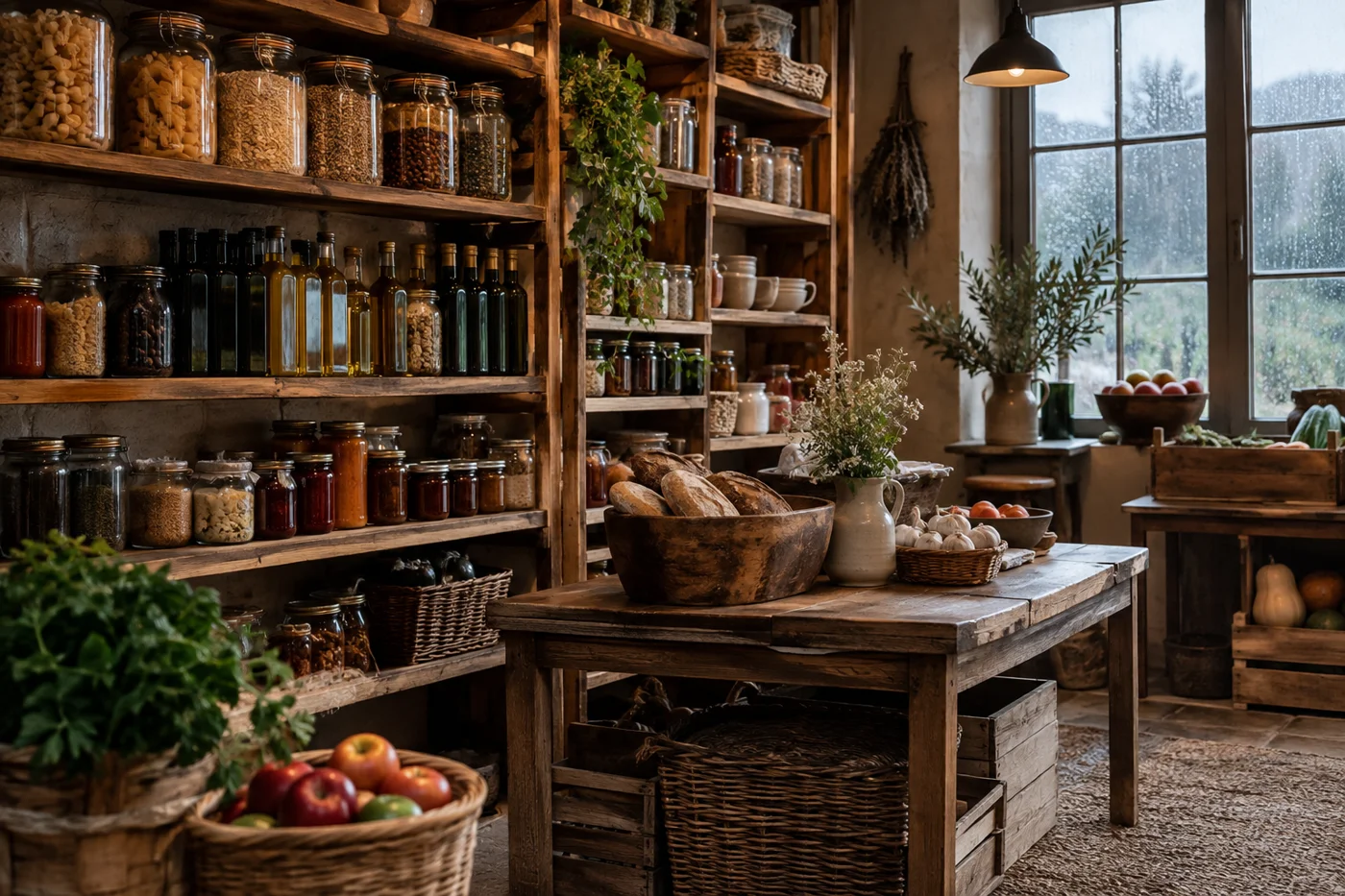
AI-generated editorial illustration; not a photo of a listed business.
6. Plan a Showroom Visit with Prepared Questions
A confirmed indoor furniture visit can be useful when you have measurements and a clear buying question. Ask whether appointments are needed and whether the pieces you want to compare are available. Do not combine an extended consultation with several rushed food stops.
Bring a notebook, room measurements, and relevant access details from your home. The dining table shopping guide gives eleven decisions to prepare. Keep product handling and photography within the store’s rules.
7. Protect the Walk Between Car and Door
Wear footwear and outerwear suited to conditions and your needs. Ask about the parking surface and entrance if that affects access. Keep a towel or dry bag in the vehicle for wet equipment, separate from food purchases.
Use permitted parking and entrances. Avoid crossing muddy or private areas to shorten the walk. An umbrella, tote, and small list may be easier to manage than several loose shopping bags.
8. Pack Purchases Before the Next Stop
Protect paper packages from wet gear, separate glass, and keep bakery boxes supported. Follow the handling requirements for chilled products; cool weather or rain is not a substitute for appropriate temperature control.
Avoid rearranging a full cargo area in an unsafe location. Plan the layout before leaving, then use suitable parking areas for loading. If the vehicle is becoming crowded or packaging is compromised, finish the route rather than add another purchase.
9. Give the Day a Clear Stopping Rule
Decide what would make you go home: completing the anchor purchase, worsening conditions, a missed opening, or a family member needing a shorter day. A stopping rule makes it easier to avoid turning a small disappointment into several unnecessary detours.
Leaving after one useful stop is a reasonable outcome. A route is a plan for decisions, not a checklist that must be completed regardless of circumstances.
A Worked Two-Stop Rain Plan
Suppose you originally planned bread, outdoor produce, and a furniture showroom. Rain is expected, so you check local conditions and ask each business about its setup. The bakery confirms indoor shopping, the produce stop does not fit your rain plan, and the showroom can accommodate your visit.
You make the bakery the anchor and showroom optional. The car already has a flat space for the bakery box, a protective tote, and a dry place for wet outerwear. If conditions remain suitable and the family is comfortable after the first stop, continue. Otherwise, return home and visit the showroom another day.
This is an example sequence, not a recommendation for specific businesses or a statement about their facilities. Use actual contacts and addresses to build your own version.
A Small Rain-Day Packing List
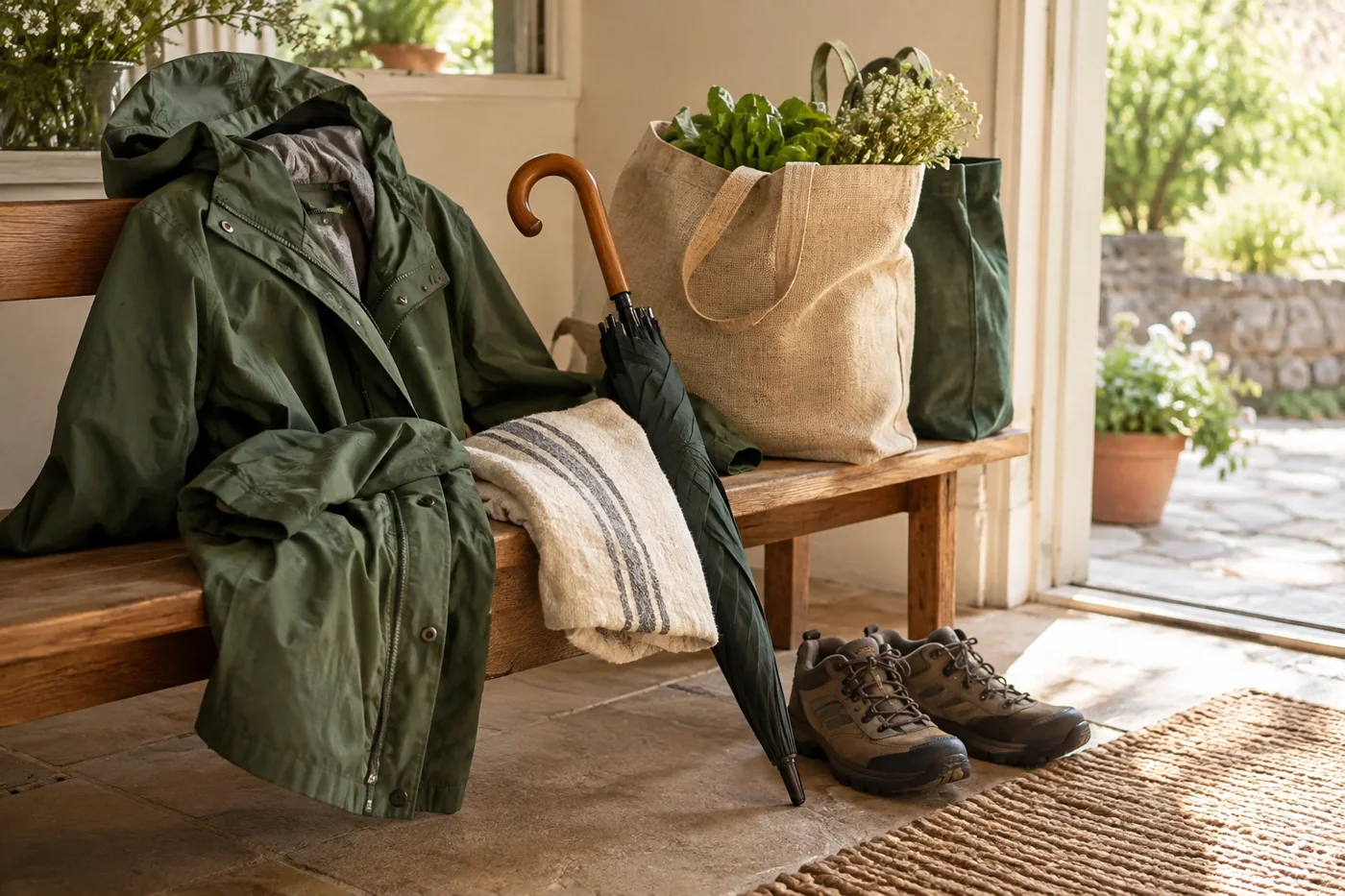
AI-generated editorial illustration; not a photo of a listed business.
- Suitable outerwear and footwear for your needs.
- A protective tote for paper packages.
- A flat supported area for bakery boxes.
- A separate place for wet equipment.
- Required transport equipment for chilled purchases.
- Confirmed store contacts and an optional backup.
Keep the list modest enough to carry comfortably. If shopping with kids, plan facilities and a shorter route before adding purchases.
Frequently Asked Questions
Are Amish markets open when it rains?
It depends on the business, facilities, season, and conditions. Contact the specific store instead of relying on its category or an older schedule.
What makes a good rainy-day route?
A confirmed indoor anchor, a nearby optional stop, suitable access, and a willingness to shorten or postpone travel when conditions warrant it.
Can I leave chilled food in the car because it is cool outside?
Follow the product’s handling instructions and use appropriate transport equipment. Weather is not a reliable replacement for required temperature control.
Should I add more indoor stops to compensate for a closed stand?
Only if they serve a useful purpose and fit the route. Replacing one stop does not require making the day longer.
Use store search and state listings to identify candidates, then contact each about access, current schedules, and the products you need.