
Amish Country Shopping with Kids: A Two-Stop Day Trip Plan
Plan an Amish country shopping trip with kids using two stops, a real break, simple shopping tasks, facility checks, and a flexible early finish.
This practical guide follows our source, correction, and uncertainty standards.
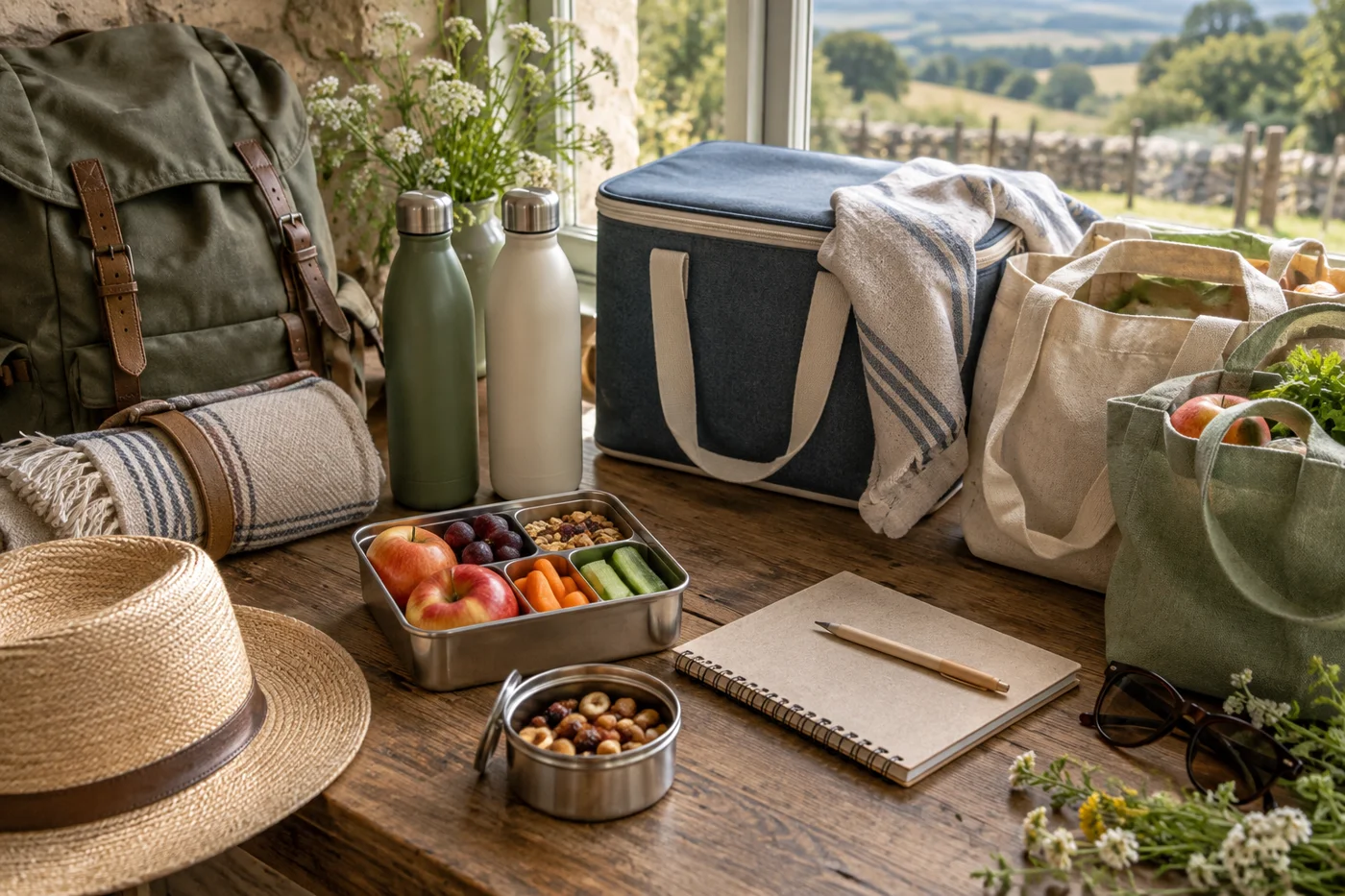
AI-generated editorial illustration; not a photo of a listed business.
A family shopping day can be pleasant without becoming a five-stop marathon. Two well-chosen stops give you room for snacks, restrooms, rural driving, and a change of plan. This Amish country shopping plan focuses on what children can help choose, how to keep purchases manageable, and when to finish the outing. Use it as a flexible template rather than an itinerary with guaranteed opening hours or family facilities.
Amish Country Shopping with Kids Works Best with Two Clear Stops
Choose one anchor stop for the item you most want and one nearby companion stop. A bakery and a market can form a simple pairing; a furniture visit requiring a long discussion may need its own separate day. Check actual locations and driving directions rather than assuming neighboring listings are a quick drive apart.
Contact each business about its schedule, the product you need, payment options, parking, and any accessibility questions. Ask directly about restrooms or other facilities important to your family. A listing category does not establish that a business provides them.
| Family need | Planning choice | Backup |
|---|---|---|
| Short attention span | One priority purchase per stop | Finish after the anchor |
| Specific food needs | Pack familiar snacks | Avoid relying on shop inventory |
| Limited cargo space | Small purchase list | Skip large or fragile items |
| Uncertain weather | Confirm indoor access | Shorten or reschedule |
Choose a Child-Friendly Shopping Task
Give children one bounded choice that suits their age and your family rules: selecting between two acceptable apples, choosing a bag to carry, or helping find an item from a picture list. The task should fit the shop’s layout and the retailer’s instructions.
Do not treat a store as a play space. Ask before handling merchandise, keep aisles clear, and supervise children around breakable containers, displays, and entrances. Some shops are compact; a long activity list can be inconvenient for other shoppers.
Agree on any treat purchase before entering. A clear choice is easier than negotiating a large candy display during checkout. Food preferences and allergies still need to be checked against actual products, even when an item looks homemade.
Stop One: The Anchor Purchase
Choose the first stop because it supplies your priority item, not because it appears first on a map. Confirm any preorder or stock question in advance. If you want a particular bakery product, ask the business when it expects to offer it and whether ordering is appropriate.
Make the visit focused. One adult can handle questions or checkout while another supervises children when your group has that option. If you are the only adult, keep the list short enough that you can shop and supervise comfortably.
Before leaving the parking area, pack purchases securely and check whether the family is ready for another stop. Ending after the anchor is a successful outing when the main purpose is complete.
Build a Real Break into the Plan
Choose a suitable break location before the trip, including whether it is public, open, and appropriate for your needs. Do not assume a market permits picnics or offers seating. Ask before using a business’s grounds beyond normal shopping.
Bring drinking water, familiar snacks, and a small cleanup kit. Follow appropriate food handling for what you carry. A picnic blanket can be useful only if there is a place where using it is allowed; it is not a substitute for checking facilities.
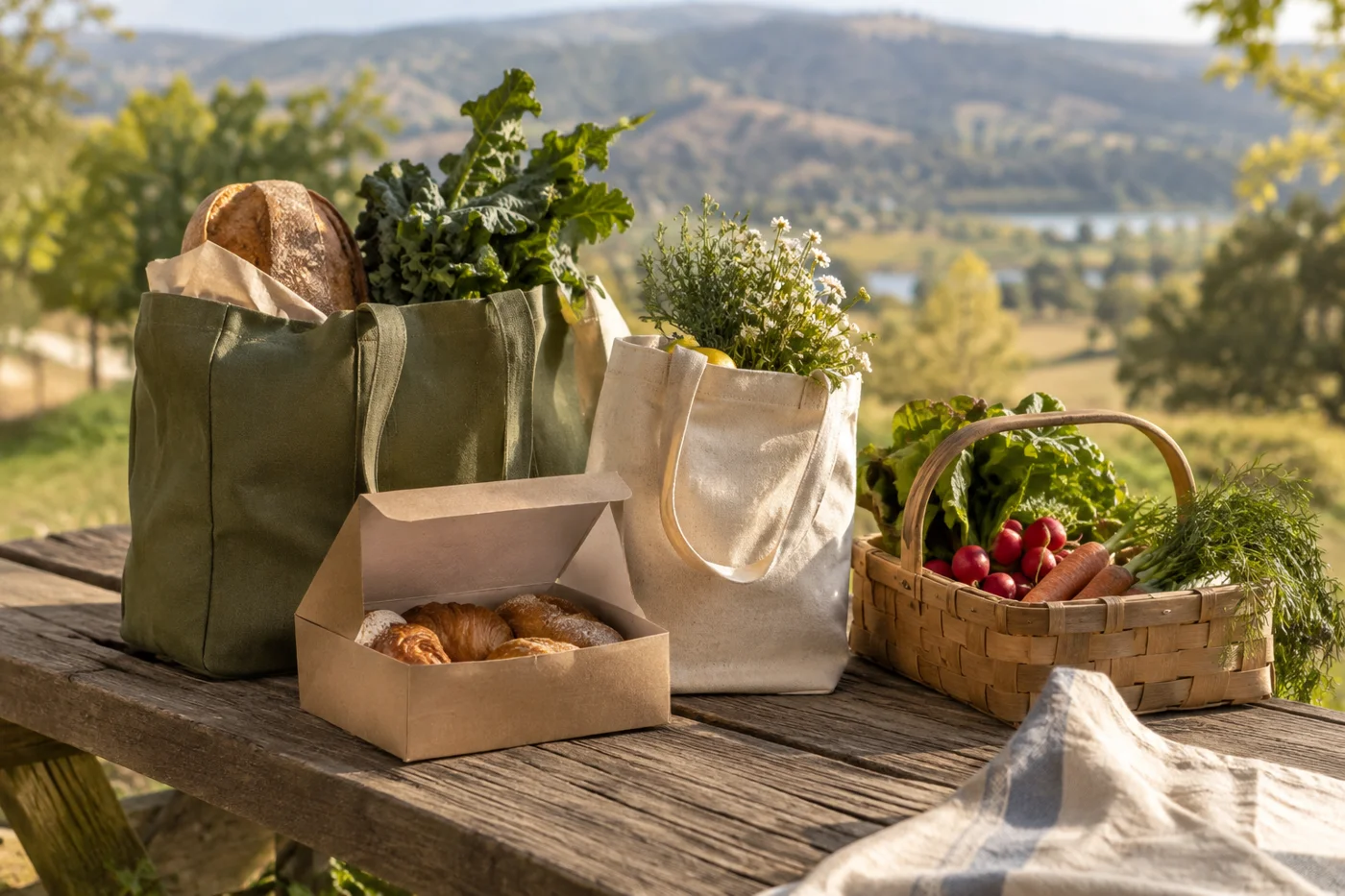
AI-generated editorial illustration; not a photo of a listed business.
Leave flexibility between stops. The break is part of the route, not spare time you can automatically replace with another shop. Consider each child’s normal routine when deciding whether the day is still workable.
Stop Two: A Small Companion Purchase
The second stop should add something useful without creating a new long task. A modest produce list, a pantry refill, or one gift item can fit. Avoid combining a brief bakery outing with a major custom furniture consultation unless your family has planned for it.
Use a clear shopping limit. For example, choose produce for one familiar supper instead of assembling a week’s groceries from whatever attracts attention. Our fall meal-planning article shows how to shop from actual meals.
Have a nearby backup only if you have checked it. A backup is optional, and it should replace a missed stop rather than add another destination to an already full day.
A Worked Example for a Small Family
Suppose the family’s goal is to buy bread and apples. You find a bakery and a farm market through store search, verify their locations and current schedules, and contact each about the desired products. You also identify a suitable restroom and break option independently.
The bakery visit focuses on the bread order. One child helps carry a light bag; another chooses between two agreed bakery items if that is part of your plan. After a break, the market visit buys only the apples needed for the week and one vegetable for supper.
If the bakery purchase takes longer than expected or a child needs to go home, finish after the first stop. If the market lacks apples, choose an agreed alternative or skip that purchase. The template stays useful because it does not depend on a particular shop, exact drive time, or every product being in stock.
Pack the Car for People and Purchases
Separate food, fragile jars, and ordinary travel supplies. Use a cooler when the products’ handling instructions require temperature control. Keep bakery boxes level and heavy packages away from soft foods.
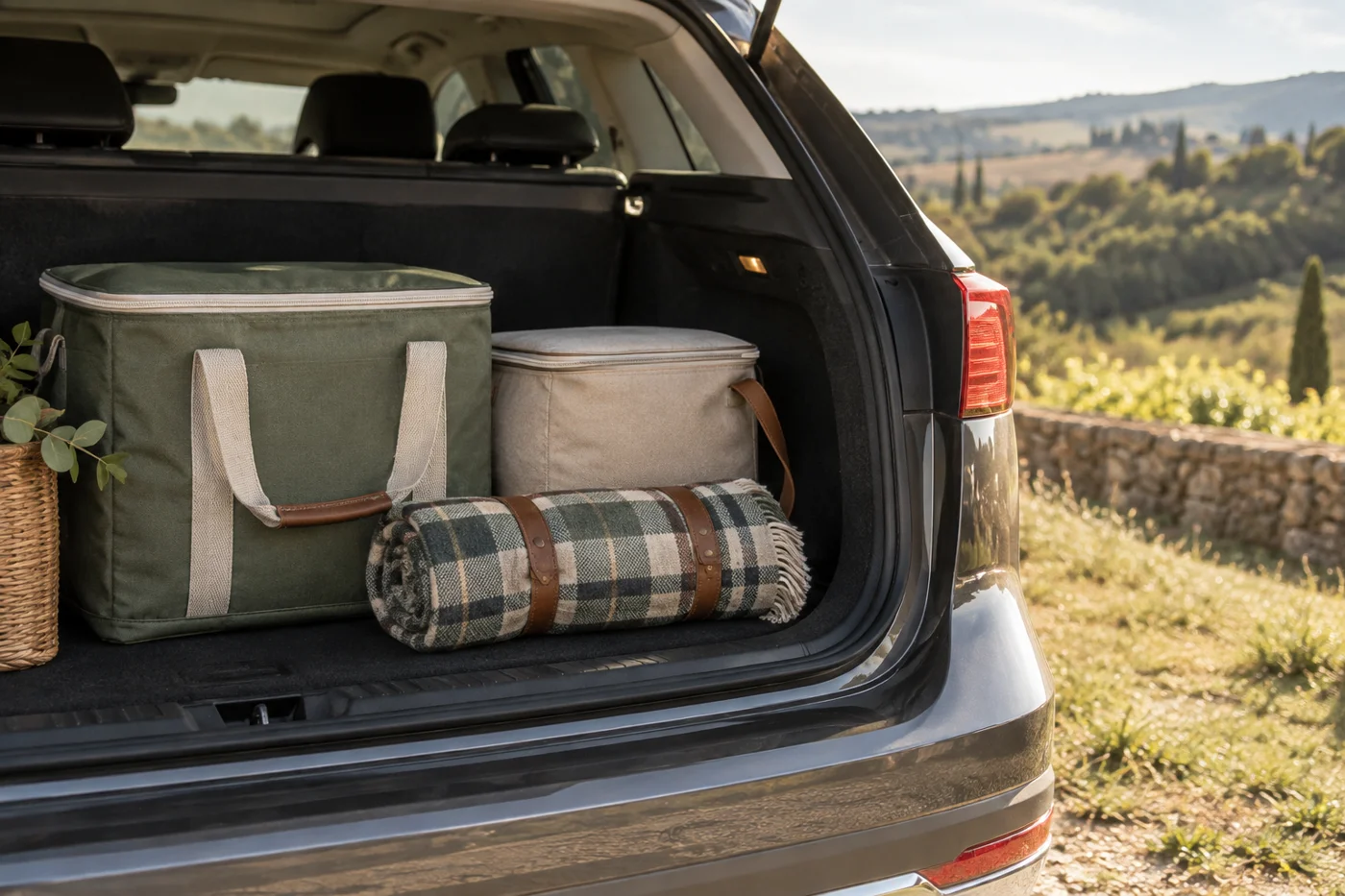
AI-generated editorial illustration; not a photo of a listed business.
Keep travel supplies accessible without letting loose items create a hazard. Children should not need to climb through purchases to reach what they need. Follow your vehicle and child-restraint guidance rather than improvising arrangements around a large shopping haul.
Respect People and Property During the Visit
Ask before photographing people, businesses, or products where permission is needed. Do not photograph children or community members as part of a tourist scene. Follow signs and retailer requests, and explain these expectations to your family before arriving.
Stay in visitor areas and do not approach animals, equipment, or private property without permission. A rural setting does not turn a working property into an attraction. Keep roadside stopping and parking to places where it is permitted and safe.
Your Two-Stop Checklist
- Name the outing’s main purchase.
- Verify both stores’ locations and current schedules.
- Ask about important facilities and access needs.
- Check food preferences, labels, and handling requirements.
- Pack water, familiar snacks, and cleanup supplies.
- Allow a break and an early finish.
- Bring a small backup plan rather than a longer route.
For broader packing, use what to bring to a country store. For an adults-only multi-stop day, the weekend route planner offers a different framework.
Frequently Asked Questions
How many stores should I visit with children?
Start with one anchor and one optional nearby stop. Adjust to your family’s routine, travel distance, and the time required at each business.
Do Amish markets have restrooms or picnic areas?
Some may, but do not assume. Ask the specific business and identify a suitable backup before leaving.
Can children help select produce?
Yes, when the retailer permits handling and an adult supervises. Offer a small, clear choice and follow store instructions.
What if the planned product is sold out?
Use an agreed substitute, a checked backup, or finish the outing without it. Adding several unplanned stops may make the day harder for everyone.
Choose nearby stores or browse your state, then confirm the details that matter to your family before setting out.