
Fall Farm Market Shopping: 12 Flexible Meal Ideas for Your Basket
Shop fall farm markets for twelve flexible meal ideas. Plan useful produce amounts, check local stock, and turn a modest market basket into planned meals.
This practical guide follows our source, correction, and uncertainty standards.
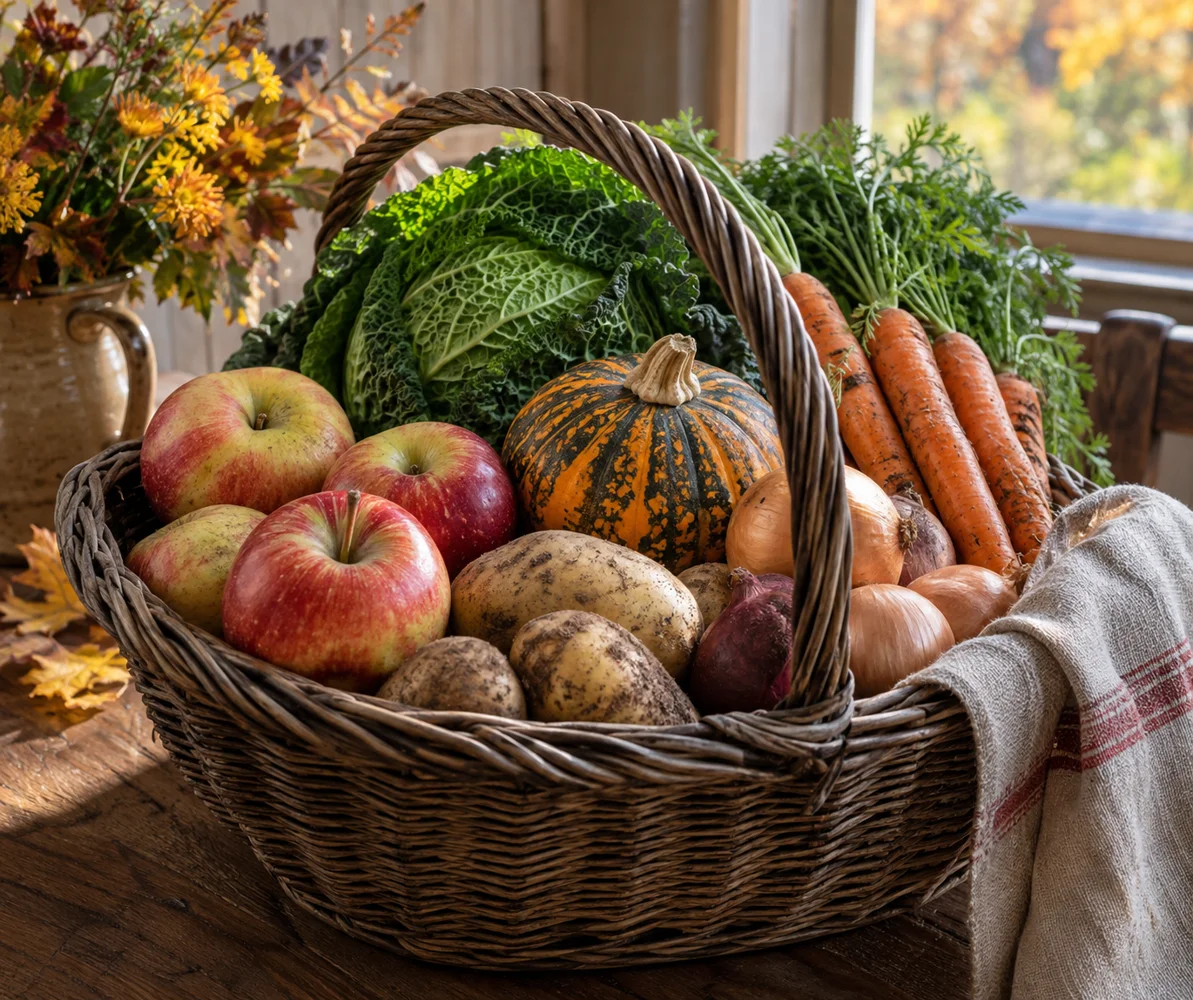
AI-generated editorial illustration; not a photo of a listed business.
A fall market basket is easier to use when you buy for meals rather than for a photograph. Apples, squash, cabbage, roots, and other produce may look inviting, but the useful purchase is the one that fits your kitchen and the week ahead. These twelve fall farm market meal ideas are flexible combinations, not tested recipes or a promise of seasonal stock. Ask what is available locally, then substitute according to a dependable recipe and your household’s preferences.
Fall Farm Market Shopping for Meals You Will Make
Choose two or three meal ideas before leaving home. Check what pantry ingredients, equipment, and refrigerator space you already have. Let the market’s actual produce guide the final choice, especially when weather or local harvest timing changes availability.
This guide covers shopping decisions. Follow suitable recipes for preparation and food-safety instructions for handling; it does not provide preservation or canning directions. Your chosen seller can answer questions about variety, origin, and current stock. A stand in Amish country may carry goods grown or supplied by different producers.
| Meal plan | Shopping focus | Useful question |
|---|---|---|
| Soup supper | Vegetables named in a recipe | What amount will the recipe use? |
| Roasting tray | Compatible vegetables | Can I prepare them together as directed? |
| Breakfast | Fruit and a familiar base | Will the household use it this week? |
| Pantry-supported meal | One or two fresh additions | What is already at home? |
1. Squash Soup Supper
Choose the squash your recipe calls for or a variety it identifies as a suitable alternative. Check the size against the required amount rather than choosing the largest one. Add only the fresh ingredients you still need.
If squash is unavailable, choose another soup recipe built around current produce. Do not assume every squash behaves the same way or simply substitute by appearance.
2. Roasted Roots and a Familiar Main
Select roots that fit a dependable roasting recipe and the number of servings planned. Carrots, potatoes, or other available vegetables can form part of the meal, but preparation and cooking needs vary.
One tray’s worth can be more useful than several bags for an imagined week of roasting. Check pantry oil and seasonings before buying extras at the market.
3. Cabbage and Noodle Night
Use cabbage for a familiar cabbage-and-noodle dish if that is something the household enjoys. Buy a size you can manage and identify a second use for the remainder before choosing a large head.
If only large heads are available, ask about another suitable vegetable or choose a different meal. The best bargain is not necessarily the largest item.
4. Apple Breakfast Plan
Choose apples for the way you intend to use them: fresh eating, a known baked breakfast, or another familiar preparation. Ask the seller about variety characteristics, then follow your recipe.
Plan an amount that fits the household’s breakfasts. A small mix of preferred varieties may be more useful than a large bag nobody wants to finish.
5. Vegetable Pasta Supper
Choose one or two vegetables for a pasta recipe you already use. Check whether the pasta and sauce are at home so the trip fills gaps rather than duplicates the pantry.
Keep the meal adaptable to available produce by selecting an appropriate recipe alternative. A market visit should not require a second long drive for one exact vegetable unless it is truly your priority.
6. Potato Supper with Simple Companions
Buy potatoes suited to the preparation named in your recipe and the planned serving count. Add a vegetable companion if needed. Check the actual variety or ask the seller when unsure.
Do not describe every potato as equally suitable for every method. A clear meal plan helps you compare sizes and avoid buying more than your storage space accommodates.
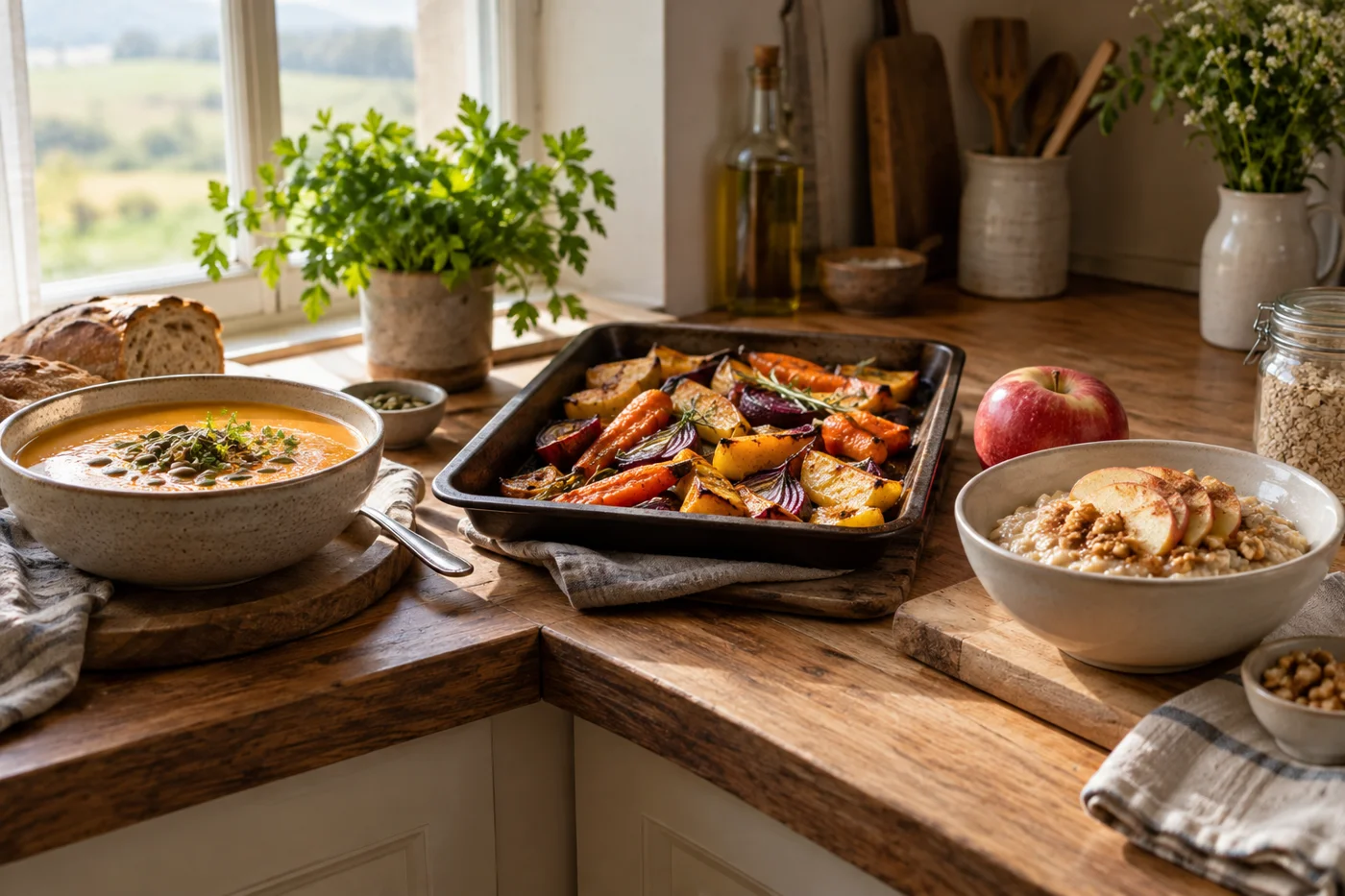
AI-generated editorial illustration; not a photo of a listed business.
7. A Hearty Vegetable Stew
Use a tested stew recipe to choose the vegetable list. Count what remains in the refrigerator before buying onions, carrots, or other familiar staples. A focused list prevents a market basket from becoming an accidental second grocery shop.
If you want to make a larger batch, check freezer and container space first and follow appropriate storage guidance. Do not buy for batch cooking without a handling and space plan.
8. An Autumn Lunch Salad
Choose ingredients for a salad your household likes, such as a recipe using apples and a suitable green if available. Add toppings only when they fit the actual recipe and food preferences.
Keep delicate produce protected during the drive. If the relevant greens are unavailable or unsuitable, switch to a different lunch plan rather than forcing the original idea.
9. Savory Baking with Market Produce
Choose produce for a familiar savory bake, with the baking ingredients checked at home first. An onion or other fresh addition can give a pantry-based meal a clear purpose.
Read the recipe before shopping so you know whether it requires a particular variety, weight, or prepared form. This is a better guide than purchasing several vegetables simply because they look complementary.
10. A Fruit Dessert for a Planned Gathering
Choose fruit for a dessert you already know how to make or a dependable recipe. Confirm the amount, variety guidance, and the gathering’s food preferences. Buy near enough to preparation that your storage plan makes sense.
Avoid promising a particular pie or dessert before checking availability. If baking is impractical, a bakery hostess gift may suit the occasion better.
11. Pantry Beans with One Fresh Addition
Build around a bean dish you already make and buy only the fresh ingredients it needs. This can keep a market visit small and useful when the pantry is well stocked.
Follow the bean product’s directions and the recipe. Do not treat a new dry-bean purchase as an instant meal without checking preparation requirements.
12. One Flexible Side for Two Suppers
Choose a vegetable your household uses in more than one familiar meal, then plan both uses before buying. That might mean part of a cabbage for one recipe and the rest for another, if the storage and preparation plans are suitable.
The second use should be concrete, not “we will find something.” If it is not, buy a smaller amount where possible or choose a different vegetable.
A Worked Shopping List for Two Meals
Suppose you plan a squash soup and an apple breakfast. Check the recipes and cupboard first. You already have broth ingredients, oats, and spices, so your fresh list is a suitable squash, the soup’s required onion, and apples in an amount the household will use.
At the market, the squash variety you expected is unavailable. Ask about another variety, then check whether your recipe permits it. If not, choose another known soup plan based on available produce. This keeps the meal useful without inventing a substitution or buying food you do not know how to use.
Pack and Unpack by Use
Separate delicate items from heavy produce and jars. Use suitable bags and any temperature-control equipment required for other purchases. Keep the market trip realistic: a trunk full of food is only helpful if you can transport and store it appropriately.
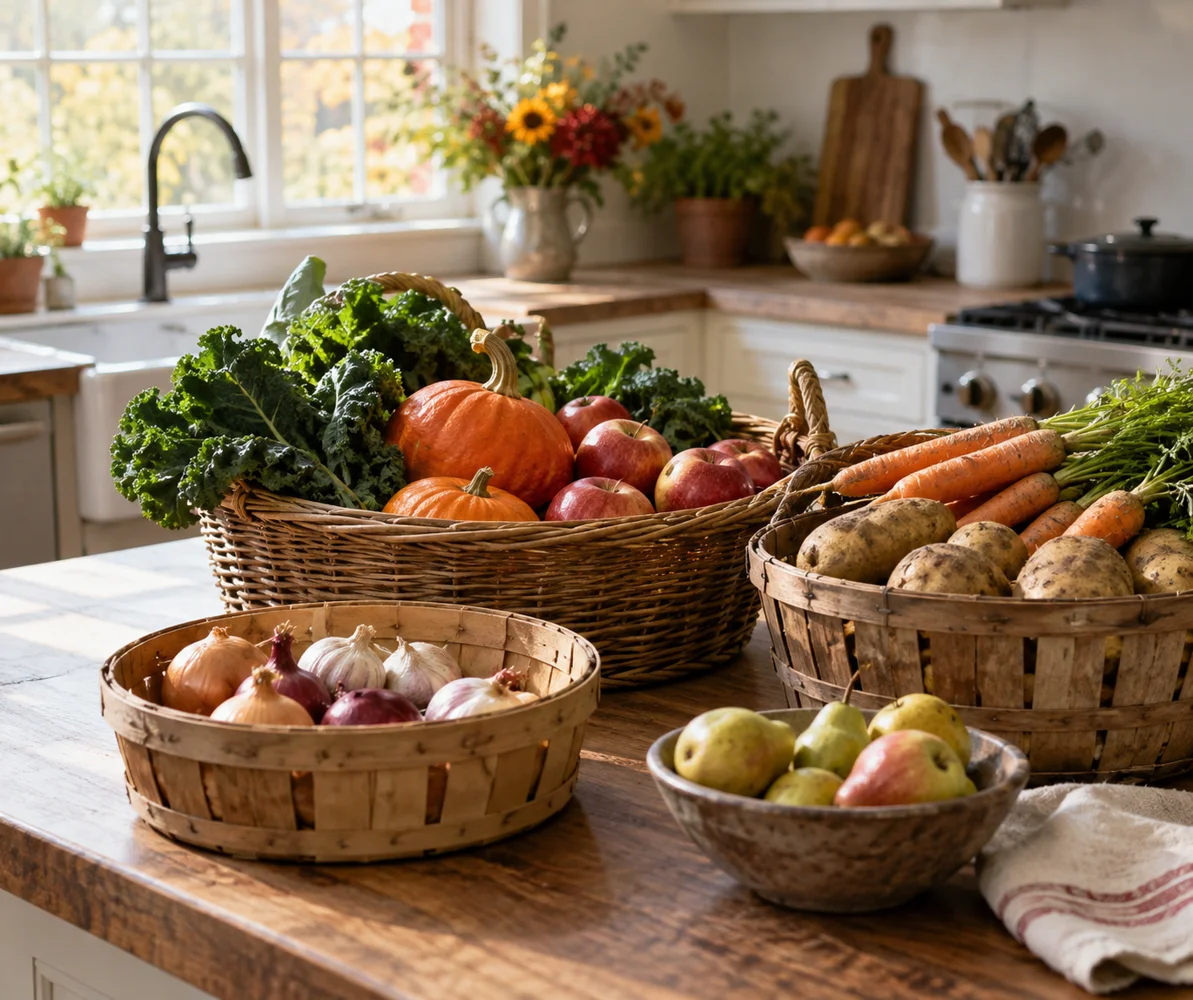
AI-generated editorial illustration; not a photo of a listed business.
When you get home, follow each food’s storage guidance and make the first planned meal visible on your calendar or list. Read the farm market shopping list for broader preparation and the season calendar for a general seasonal framework.
Frequently Asked Questions
What should I buy at a fall farm market?
Buy produce for meals you intend to make, based on actual local stock and your kitchen space. Fall availability varies by region, weather, and seller.
Can I substitute any squash in a recipe?
Check the recipe’s guidance and ask about the variety. Different types can have different characteristics, so do not substitute solely from appearance.
How do I avoid overbuying produce?
Check existing food, choose a few meals, and calculate the amounts those meals need. Leave room for one useful substitution rather than buying every attractive item.
Does a farm market sell only locally grown food?
Not necessarily. Ask where the item was grown if local origin matters to you.
Browse farm markets and nearby listings, then confirm seasonal stock before making a trip for a specific crop.