
Amish Farm Market Shopping List: A Practical Seasonal Plan
Build a flexible Amish farm market shopping list with seasonal ideas, a meal-first method, a $50 planning framework, and practical trip tips.
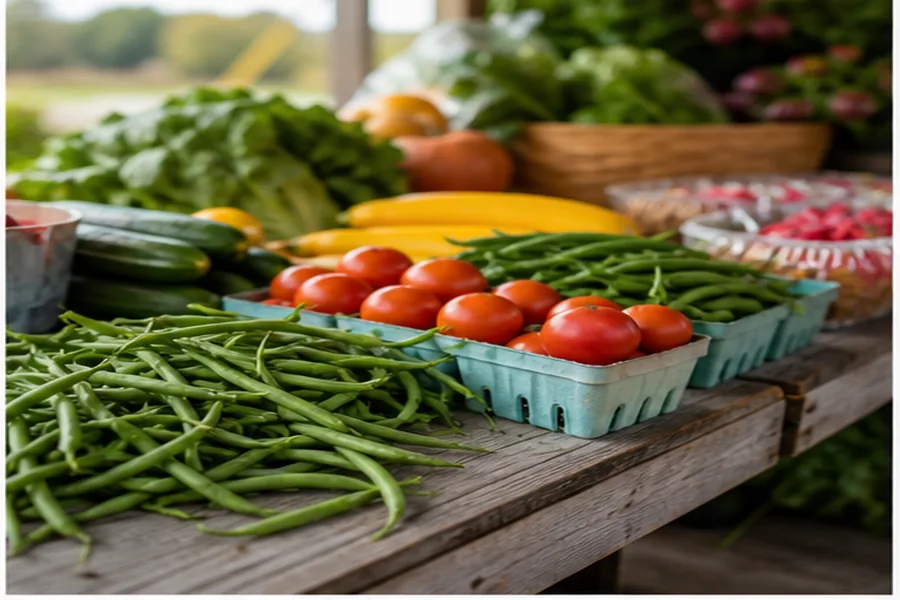
A farm market is full of tempting choices: tomatoes stacked in bright rows, fresh bread near the register, jars of preserves, baskets of fruit, and vegetables you may not have planned to buy. Going without a list can be fun, but it can also leave you with too much of one ingredient and not enough for complete meals.
The best list is not rigid. It gives your trip direction while leaving room for what looks good, fits your budget, and is actually available. Use this practical plan to prepare for an Amish market trip, shop by season, and avoid buying more perishable food than your household can use.
Availability, product origin, growing methods, operating hours, and prices vary by seller, market, location, and week. Verify important details directly before visiting. A business listed as an Amish farm market may also carry goods grown, baked, packaged, or distributed by non-Amish producers, so ask rather than assuming who made or grew a particular item.
Amish Farm Market Shopping List
Start with this master checklist, then adjust it around the season and your meal plan. You do not need to buy something from every category.
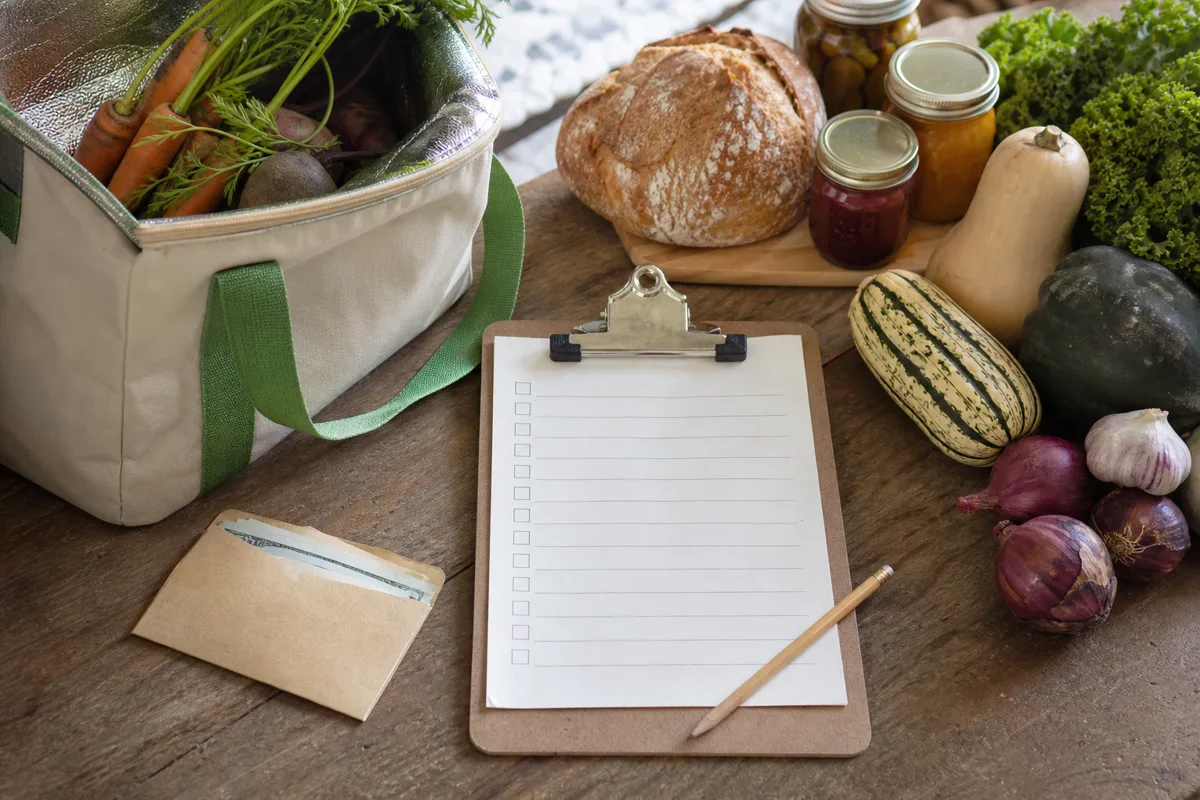
Master checklist
- Two or three meal-building vegetables
- One leafy green or salad ingredient
- One versatile fruit
- One aromatic: onions, garlic, leeks, scallions, or herbs
- One starch or hearty base: potatoes, corn, winter squash, noodles, rice, or bread
- One protein, if sold and needed for your plan
- One dairy item, if available and appropriate for your household
- One pantry item: flour, oats, dried beans, noodles, honey, jam, pickles, or canned goods
- One baked item
- One freezer or preservation candidate
- One optional treat or unplanned seasonal find
Also bring:
- Reusable bags or a basket
- An insulated bag with cold packs for perishable purchases
- Small containers or padding for delicate fruit
- Cash plus another payment method when possible
- Your meal list and spending framework
- A cooler if the market is far from home or one stop in a longer route
Before leaving, check the market’s current hours and payment options. Some farm markets have limited days, close earlier than conventional grocery stores, or change schedules seasonally. Start with our farm market directory, browse stores by state, or use near-me listings to identify possible stops.
Build Your List Around Meals First
A useful farmers market shopping list begins with meals—not individual ingredients. Choose three or four flexible meal formats for the coming days, then list ingredients that can overlap.
For example:
- Sheet-pan or roasted meal: potatoes, onions, carrots, squash, peppers, or another sturdy vegetable.
- Salad, sandwich, or wrap meal: greens, tomatoes, cucumbers, herbs, bread, and an optional cheese or protein.
- Soup, stew, or skillet meal: cabbage, beans, corn, zucchini, onions, noodles, or seasonal roots.
- Breakfast or snack: fruit, eggs, bread, jam, oats, or baked goods.
Next, identify shared ingredients. Peppers can go into a skillet, salad, or soup. Tomatoes can be sliced for sandwiches, chopped into a salad, or cooked into a sauce. Apples can serve as snacks, accompany a meal, or become a simple dessert.
Use three priority levels:
- Must buy: Ingredients required for planned meals.
- Buy if good: Useful foods you can substitute into those meals.
- Bonus: Treats, bulk bargains, or unusual seasonal items.
This approach creates flexibility without turning every attractive display into an impulse purchase. If a must-buy item is unavailable, choose a substitute that fills the same role rather than rebuilding your entire plan.
Spring Market Shopping
Spring availability depends heavily on local weather, growing practices, and whether a seller offers greenhouse or stored produce. Early markets may have a narrower selection than shoppers expect.
Possible spring list items include:
- Leaf lettuce and other greens
- Radishes
- Green onions or scallions
- Asparagus
- Rhubarb
- Peas
- Fresh herbs
- Eggs
- Bread, noodles, flour, and pantry goods
- Stored potatoes, onions, or apples where available
- Plant starts, flowers, or garden supplies
Plan meals that do not require every spring vegetable to be present. A flexible spring meal might combine greens, eggs, bread, and whichever crisp vegetable is available. Rhubarb can be a bonus rather than a must-buy unless you have confirmed it is in stock.
Summer Produce Market Plan
Summer may offer a broad range of fresh produce, but timing still varies by region and growing conditions. Consult our Amish farm market season calendar when planning.
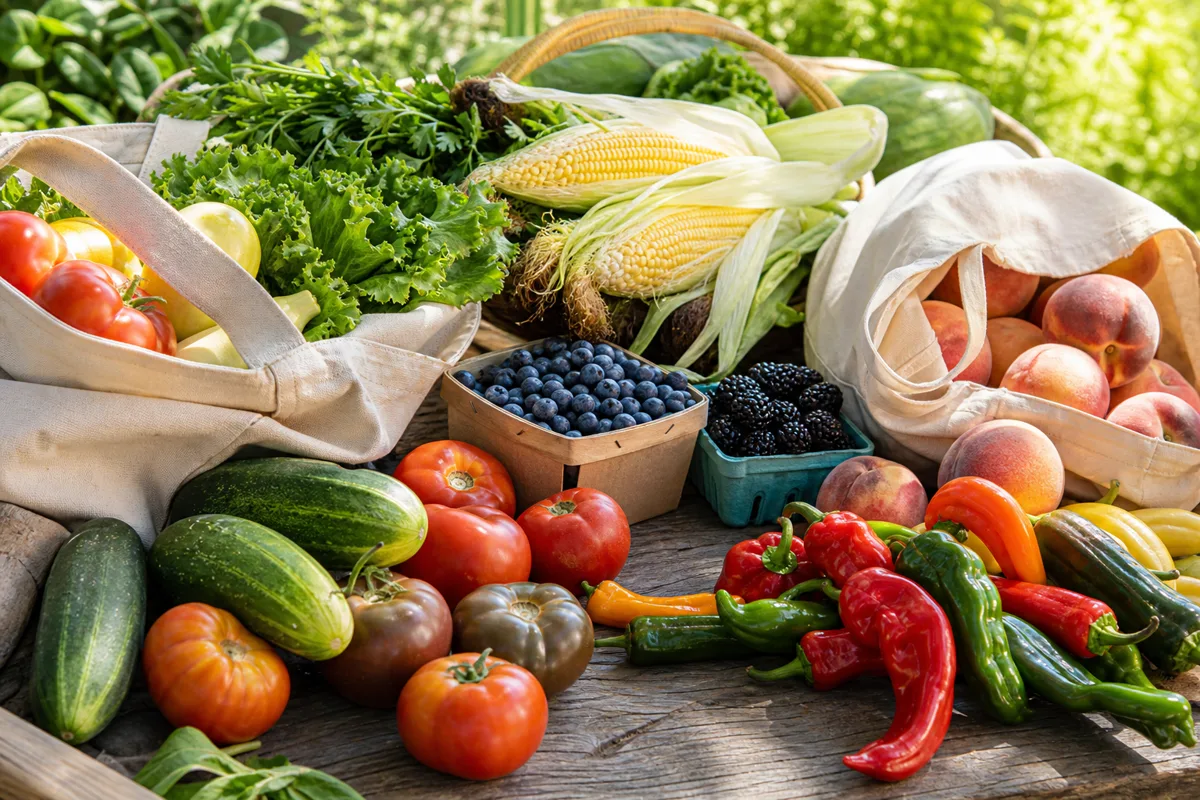
A practical summer produce market list may include:
- Tomatoes
- Sweet corn
- Cucumbers
- Zucchini or summer squash
- Green beans
- Peppers
- New potatoes
- Onions
- Melons
- Peaches or other stone fruit
- Berries
- Fresh herbs
Build your list around fast-use and longer-lasting foods. Delicate berries, ripe peaches, herbs, and tender greens should have an immediate purpose. Potatoes, onions, cabbage, and some firmer vegetables can support meals later in the week.
A simple summer plan could include corn and tomato night, grilled or roasted vegetables, cucumber salad, sandwiches with sliced produce, and fruit for snacks. If you want a larger quantity for freezing, canning, or sharing, contact the seller first. Do not assume bulk quantities, discounted grades, or particular varieties will be available.
Fall Harvest Shopping
Fall harvest shopping can quickly fill a basket because many items are substantial, colorful, and suitable for multiple meals. Prioritize what you can store and use rather than buying every type of squash or apple you see.
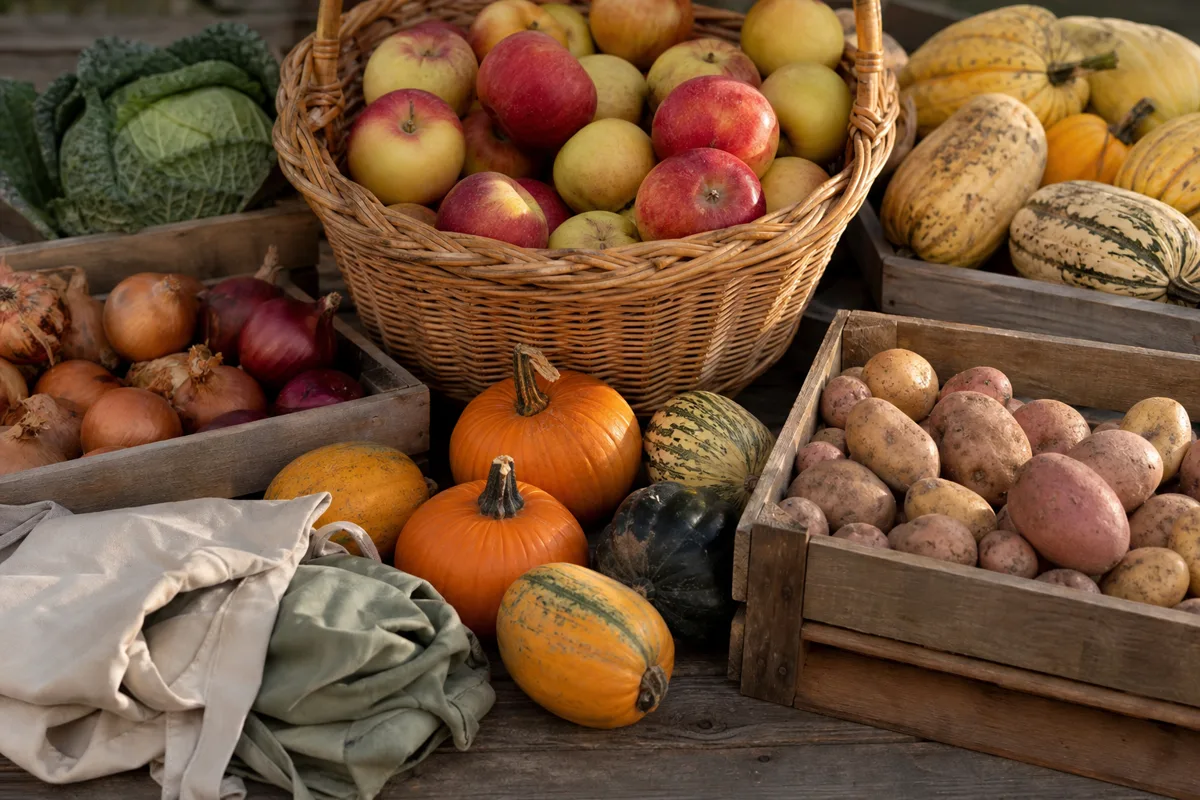
Consider adding:
- Apples and pears
- Winter squash
- Pumpkins sold for cooking or decorating
- Potatoes and sweet potatoes
- Onions and garlic
- Cabbage
- Carrots and beets
- Broccoli or cauliflower
- Late-season peppers
- Apple butter, preserves, pickles, or canned goods
- Bread, pies, noodles, and baking ingredients
Choose squash and pumpkins according to your intended use. Decorative varieties are not automatically intended for cooking, so ask the seller. For transport planning, see our cooler packing guide for a market trip.
A balanced fall list might support a roasted vegetable meal, soup, an apple snack or dessert, and a pantry restock. If buying a large bag or basket, decide beforehand whether you will cook, store, preserve, or share the contents.
Winter and Limited-Season Shopping
Some farm markets close during winter, reduce their hours, or shift toward pantry goods and stored produce. Others operate year-round. Always verify the schedule directly, especially around holidays and periods of severe weather.
A winter or limited-season list might include:
- Stored potatoes, onions, garlic, apples, or winter squash
- Cabbage, carrots, or other available cold-season produce
- Dried beans, oats, flour, cornmeal, or noodles
- Canned vegetables, pickles, relishes, jams, or fruit butter
- Honey or syrup
- Bread and other baked goods
- Eggs, cheese, meat, or dairy where sold
- Freezer items where available
Treat winter shopping as a pantry-building trip rather than expecting a full summer-style produce display. Check labels and ask questions about ingredients, processing, storage, and origin when those details matter to you.
A Flexible $50 Planning Framework
Prices differ by market, region, package size, season, production method, and product. This framework does not claim that $50 will buy a specific quantity. Instead, it helps you divide a fixed amount before seeing current prices.
Try assigning percentages or spending caps:
- 40% for meal-building produce: vegetables and fruit tied to planned meals
- 20% for a protein, dairy item, or hearty base
- 15% for pantry goods
- 15% for bread, baked goods, or a prepared item
- 10% for a seasonal bonus or price changes
At the market, buy must-have ingredients first. If prices are higher than anticipated, reduce quantities, use substitutions, or skip the bonus category. If they are lower, direct the remaining amount toward a pantry staple or a product you can freeze or store.
Avoid comparing only package prices. A larger basket may be a poor value for your household if part of it spoils. The right purchase is the amount you can realistically use. Our country-store packing checklist offers more ways to prepare without relying on assumed prices.
Produce Handling After the Market
A little preparation protects delicate purchases and makes your list easier to use.
- Keep cold foods cold. Use an insulated bag or cooler for products requiring refrigeration, particularly when driving a long distance or making additional stops.
- Separate heavy and delicate items. Keep potatoes, jars, melons, and squash away from berries, peaches, tomatoes, and greens.
- Ask about storage. The seller may be able to explain whether an item is ripe, needs refrigeration, or is intended for prompt use.
- Sort purchases at home. Group items into “use first,” “use this week,” and “store longer.”
- Wash at the appropriate time. Remove visible dirt as needed, but avoid washing everything automatically before storage if added moisture could affect quality.
- Label preserved or frozen items. Include the product and date so they do not become mystery containers.
- Inspect bulk purchases. Use damaged or very ripe pieces first rather than storing them underneath sound produce.
Follow product labels and appropriate food-handling guidance for meat, dairy, eggs, canned goods, and prepared foods. Ask the seller if packaging, ingredients, or storage instructions are unclear.
Plan an Efficient Market Route
A practical route saves time and helps perishable products reach home sooner.
Use the search page to compare potential destinations. Then:
- Confirm the address, current hours, and open days directly.
- Check whether the market is seasonal or year-round.
- Ask about payment methods if that affects your trip.
- Put nonperishable stops first and refrigerated purchases last.
- Estimate driving time between locations.
- Bring a cooler if you cannot go directly home.
- Keep an alternative stop in mind in case inventory is limited.
Do not build a tight schedule around directory information alone. Hours, seasonal opening dates, inventory, and road access can change. A quick call or a check of the business’s current information can prevent an unnecessary drive.
Frequently Asked Questions
Should I bring a strict list to an Amish farm market?
Bring a structured but flexible list. Identify must-buy meal ingredients, acceptable substitutes, and one optional category. This keeps you focused while allowing you to respond to actual availability and quality.
Is everything at an Amish market grown or made by Amish sellers?
Not necessarily. Markets may sell products from multiple farms, bakeries, distributors, or regional producers. Product origin and production methods vary. Read labels and ask the seller who grew, made, or packaged an item if that information matters to you.
What should I ask before buying produce in bulk?
Ask about quantity, variety, ripeness, intended use, storage, origin, and whether advance ordering is required. If growing practices matter to you, ask directly rather than inferring them from the market’s name, appearance, or location.
When is the best time to visit?
There is no universal best time. Early visits may offer broader selection, while later visits may fit your route or schedule better. Hours, restocking practices, busiest periods, and product availability differ by market. Verify current details directly and choose a time that lets you transport perishables home safely.
A good Amish farm market shopping list should help you make decisions, not remove all spontaneity. Plan meals first, reserve room for one seasonal discovery, and buy quantities that match your cooking and storage capacity. That balance turns an appealing market stop into a practical week of meals.