
Weekend Amish Store Route Planner: Build a Better Three-to-Five Stop Trip
Plan a practical weekend Amish store route with anchor stops, backup stores, payment checks, cooler planning, and realistic drive time.
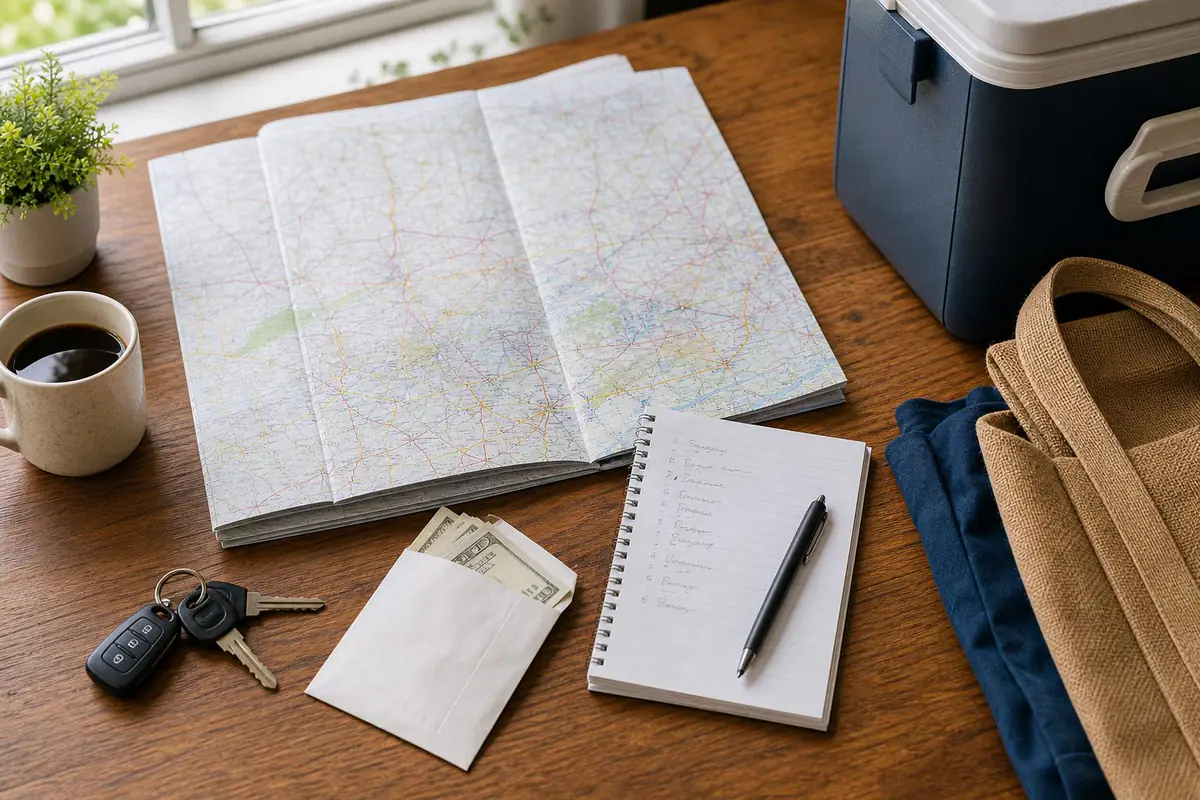
A good Amish store route is not just a list of addresses. It has an anchor stop, a sensible driving loop, a backup plan, and enough time for rural roads, slower shopping, and unexpected finds.
The best weekend routes usually have three to five stops. That is enough variety to make the drive worthwhile without turning the day into a rushed checklist.
Build your Amish store route around one anchor stop
Start with the main reason for the trip. That anchor determines the rest of the route.
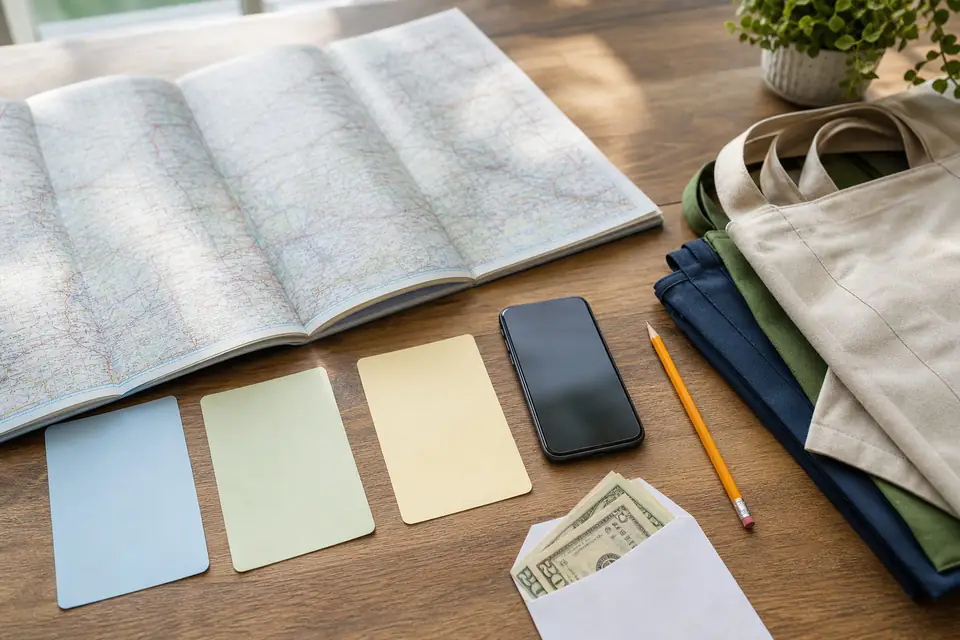
Choose one:
- Bakery for bread, pies, rolls, and sweets
- Farm market for produce, flowers, eggs, honey, and seasonal goods
- Bulk foods store for pantry staples and baking supplies
- Furniture store for serious shopping and custom-order questions
- General market for mixed groceries, gifts, and household goods
- Specialty store for quilts, crafts, fabric, toys, antiques, or handmade items
Once the anchor is clear, use search, states, or near me to add nearby stops that support the same trip.
Keep the route tight
Rural mileage can be misleading. A store that looks close on a map may sit on slower roads, and the drive between small towns can take longer than expected.
A practical weekend loop usually has:
- One anchor stop
- Two nearby support stops
- One flexible optional stop
- One food or rest stop if the route is long
If two stores are far apart, ask whether both are worth the same day. Sometimes the better plan is one strong cluster instead of two scattered destinations.
Use store types to avoid duplicate stops
Five stores can feel repetitive if they all sell the same thing. Mix the route by purpose.
Example pantry route:
- Bulk foods store
- General market
- Bakery
- Farm market
Example furniture route:
- Furniture store
- General market
- Bakery
- Specialty store
Example seasonal route:
- Farm market
- Greenhouse or specialty store
- Bakery
- Bulk foods store
This gives every stop a job and helps you decide what to skip if the day runs long.
Check hours before you commit
Hours are one of the biggest planning risks. Some rural stores close earlier than expected, close on Sundays, keep seasonal schedules, or adjust around family and community events.
Before leaving, check:
- Opening and closing time
- Whether the store is open that day
- Payment options
- Website or phone notes
- Seasonal operation
- Distance between stops
If a store is the reason for the trip, call ahead. If it is only a bonus stop, mark it optional.
Plan payment and cooler space
Cash is still useful on Amish store routes. Some stores accept checks, some may accept cards, and some remain cash only. Bring enough cash for the stops where payment is uncertain.
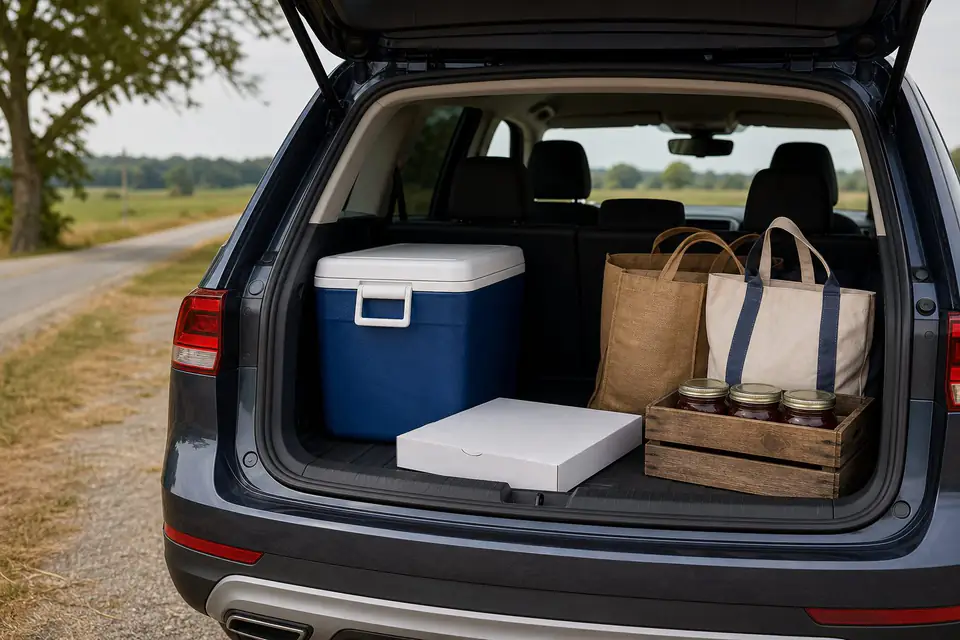
Cooler space matters if your route includes:
- Eggs
- Cheese
- Meat
- Dairy
- Cream-filled bakery items
- Produce on a hot day
Bring reusable bags, a flat bakery box, and a small towel for plants, pumpkins, or dusty produce.
Give furniture stops extra time
Furniture stores are different from bakery or pantry stops. If you are comparing hardwood furniture, custom options, finishes, delivery, or lead times, the visit can take longer.
Do not put a furniture store between two time-sensitive food stops unless you are comfortable skipping something. For serious furniture shopping, make it the first anchor of the day and let the food stops come later.
Save a backup route
A backup route keeps the day from falling apart if a store is closed or inventory is thin.
Before you leave, save one alternate:
- Another store of the same type
- A general market nearby
- A bakery or farm market close to your route
- A state page you can reopen if plans change
The near me page is especially useful once you are already in the area.
FAQ
How many Amish stores should I visit in one day?
Three to five stops is a practical range for most weekend routes. Fewer is better if the stops are far apart or one is a serious furniture-shopping visit.
Should I start with search, states, or near me?
Use states for advance planning, search to compare store types, and near me when you are already traveling.
What should be the first stop on the route?
Make the first stop the most time-sensitive or important one. That is often a bakery, farm market, or furniture store.
Do Amish stores usually take cards?
Payment varies by store. Bring cash unless you have confirmed cards are accepted, especially for smaller rural stores and stands.