
8 Thanksgiving Country Store Shopping Lists That Keep Dinner Manageable
Build a Thanksgiving country store shopping list around your menu, pantry space and trip home, with eight practical lists that help avoid duplicate purchases.
This practical guide follows our source, correction, and uncertainty standards.
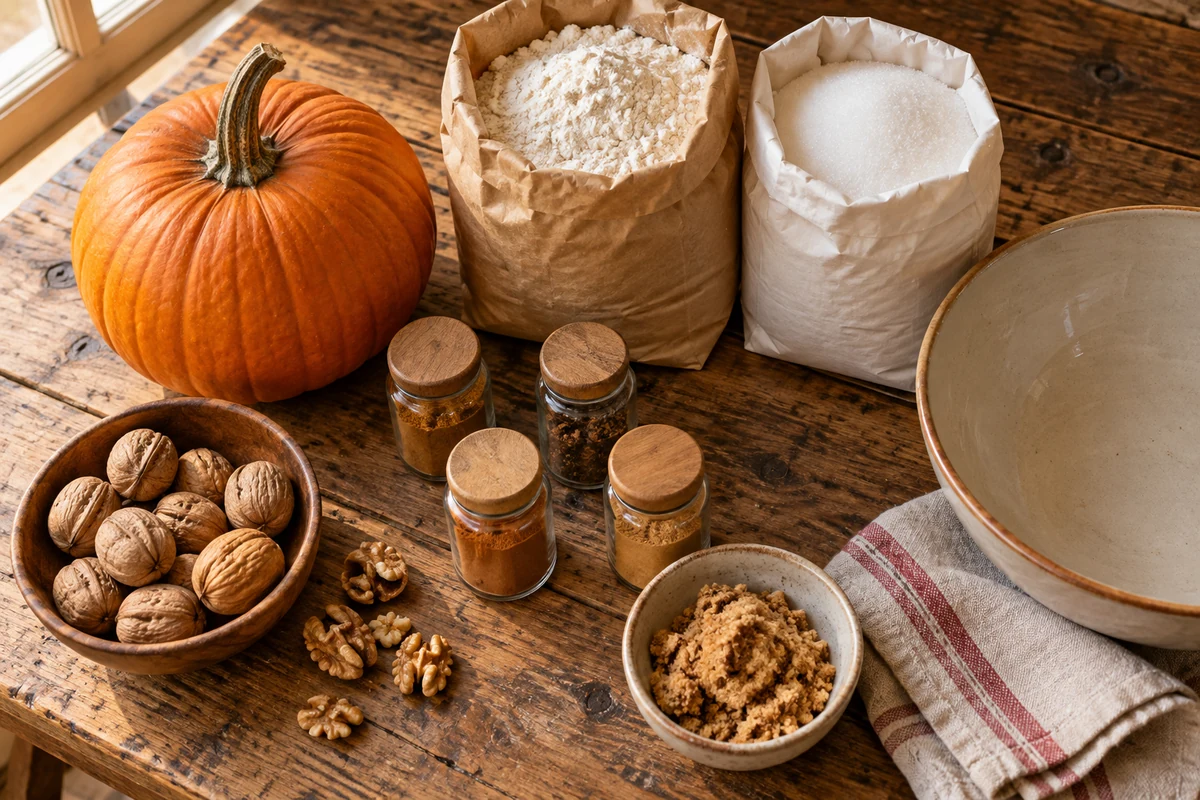
AI-generated editorial illustration; not a photo of a listed business.
Your Thanksgiving groceries become easier to organize once every dish has a job and every ingredient has a quantity. That is especially useful at a country store, where a bakery case and shelves of bulk staples can each suggest another plan. This Thanksgiving country store shopping list breaks the trip into eight manageable decisions, from checking the pantry to protecting the pie box. Use the lists that fit your meal, and leave the rest for another visit.
Build Your Thanksgiving Country Store Shopping List Around Eight Decisions
Think of these as eight passes through one list, rather than eight separate shopping trips. Start with the meal, narrow the quantities, then arrange purchases around your route home. A country store may carry bulk staples, commercially packaged groceries, bakery goods or refrigerated products in different combinations; none is guaranteed by the store category alone.
1. Start With the Menu, Then the Pantry
Write down the dishes you are responsible for before listing ingredients. For example, a contribution of rolls, pumpkin pie and green beans creates a very different basket from hosting the entire dinner. Confirm who is bringing what, including gravy, beverages and breakfast for overnight guests.
Next, check each dish against what you already own. Record usable quantities, not simply “have flour.” A nearly empty bag belongs on the shopping calculation, while an unopened backup may remove the purchase entirely.
Mark each menu item make, buy finished or delegated. That single choice prevents buying pie ingredients after deciding to bring home a finished pie.
Ask your household: “Which dishes matter most, and which can we simplify?” Keep those priorities beside the list. Your decision rule is straightforward: buy for the confirmed menu first; give appealing extras a separate, optional line rather than quietly expanding dinner.
2. A Baking List Without Duplicate Bags
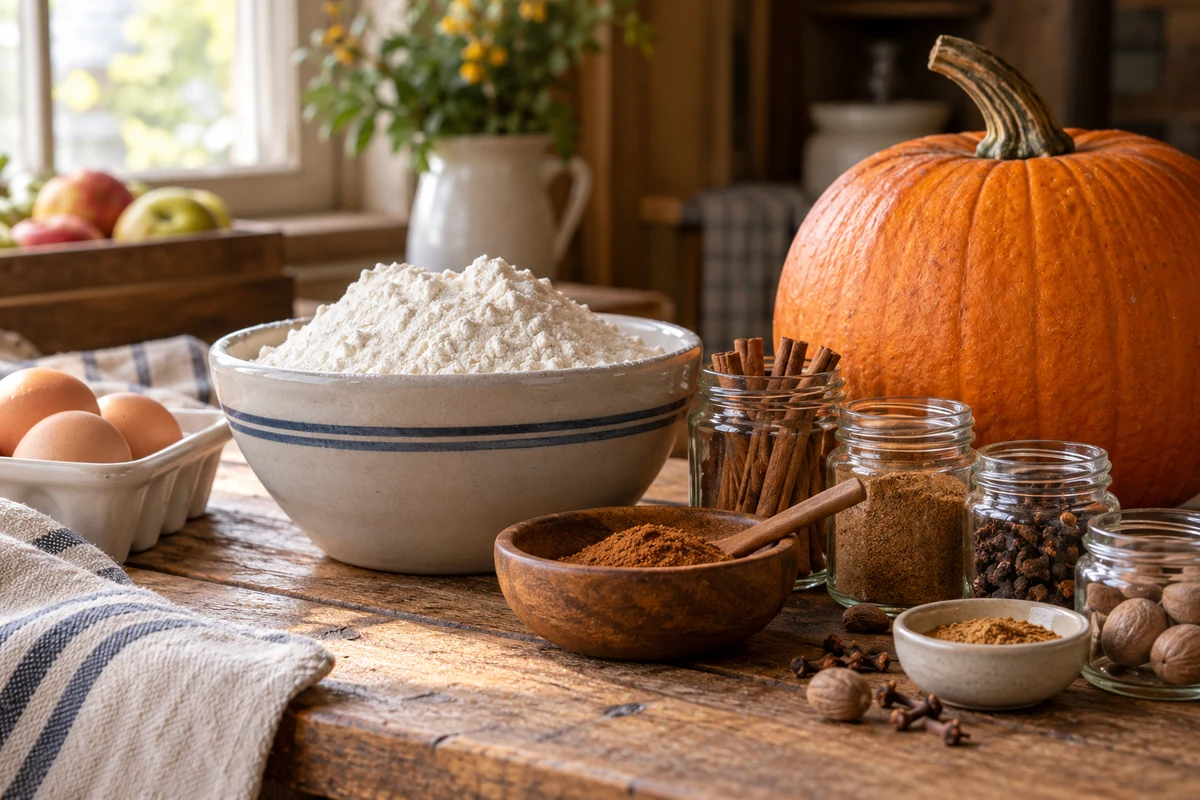
Combine ingredients across every planned bake before choosing package sizes. If rolls and pie crust both need flour, put flour on one line with the total required. Do the same for sugar, butter and any shared spices. Keep distinct ingredients distinct: bread flour, all-purpose flour and a baking mix are not automatically interchangeable.
Compare cost per unit only after deciding how much you can use. A larger bag can offer a lower unit price while still costing more overall and leaving an awkward surplus. Include the cost of a suitable container if you do not already have one.
The bulk-food pantry checklist can help organize staples before you leave. At the shelf, ask: “Is a smaller package available, and does this package have its ingredient information?” Choose the smallest practical quantity that covers the plan and any genuinely intended later baking.
3. The Small Thanksgiving Pantry
For a small household, the best list may be deliberately modest: one grain or noodle option, one baking staple you lack, a breakfast item and a finished treat. You do not need a full holiday pantry to make a smaller dinner feel considered.
Measure the shelf space available before shopping. A bulky bag that fits the budget but not the cupboard creates a problem immediately. Also consider whether the remainder has a specific use: oats for regular breakfasts are different from a specialty ingredient bought for one garnish.
Use the small-household bulk-food shopping guide when package size is the main obstacle. Ask whether goods come in multiple sizes rather than assuming staff can split a package.
Choose one versatile extra at most. If you cannot name when you will use it after Thanksgiving, leave it off this trip’s list.
4. Spices for One Holiday Meal
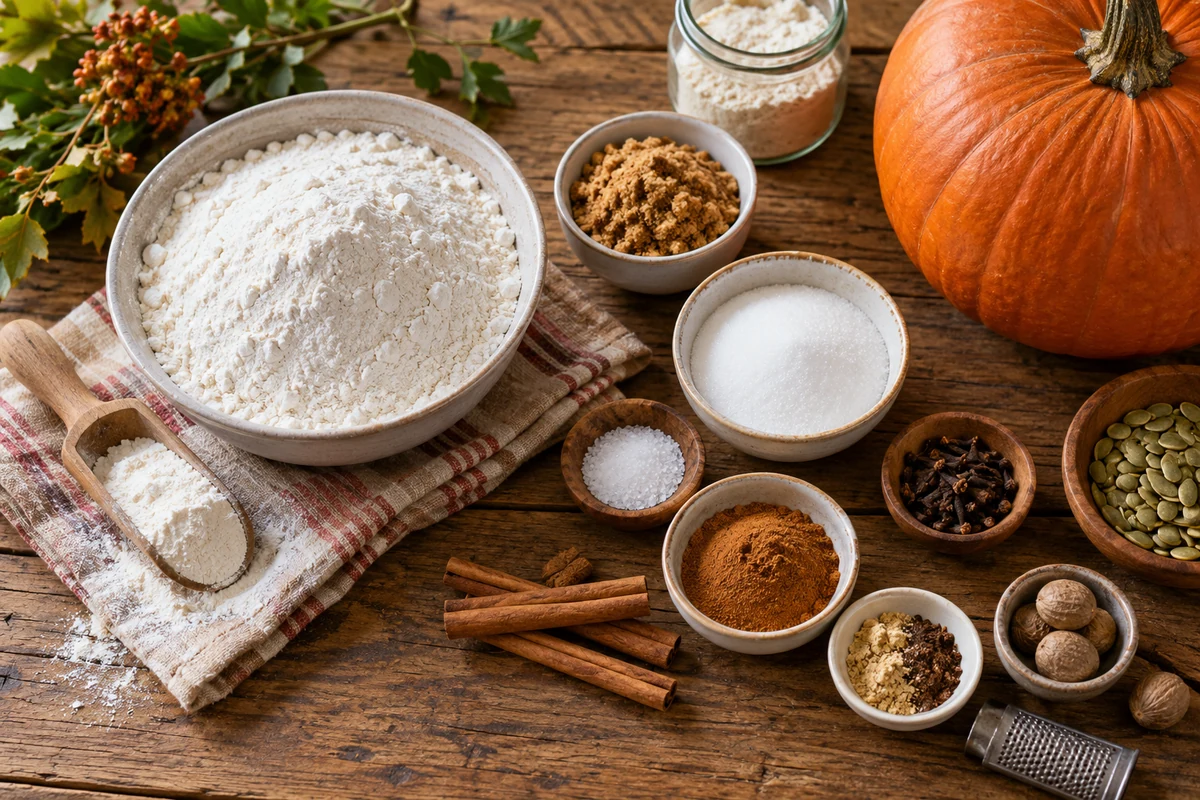
Start this list by opening your spice cupboard, not by buying a holiday assortment. Match what you have to the exact dishes planned: cinnamon for a particular pie, sage for a chosen stuffing or black pepper for the table. Avoid buying both a blend and all its individual components unless the recipes actually require both.
Small packages are often the more practical choice for occasional baking. Check the package’s identity and label rather than judging by color or aroma alone. Seasoning blends may include salt or other ingredients that change their usefulness across dishes.
A useful question is: “What is in this blend, and is that information on the package?” For food allergies, read ingredient and allergen information; plain packaging is not a safety assurance.
Decide on spices dish by dish. An unfamiliar blend belongs in the optional category, not at the center of an important holiday recipe.
5. A Make-Ahead Breakfast List
Breakfast deserves its own small list because it competes with dinner for attention and kitchen space. Choose a familiar, low-effort option for the number of people actually staying overnight: oats and dried fruit, bread with a labeled spread, or a finished bakery item. Add coffee or tea only after checking your supply.
“Make-ahead” here means making the shopping decisions early, not assuming every food can sit out until needed. Follow each product’s label and ask the producer for product-specific handling instructions when necessary.
If you choose bakery goods, the Amish bakery shopping guide can help you compare finished purchases with baking from scratch. Ask about package quantity and ingredients before committing.
Pick one main breakfast rather than several competing options. The goal is a morning that does not create a second baking project or consume ingredients already assigned to Thanksgiving dinner.
6. Separate Pantry and Cold Purchases
Divide your written list into pantry, cold and fragile, even if everything might come from the same shop. Flour and sealed spices can share a sturdy bag. Products sold refrigerated need a suitable transport plan. Pies, rolls and other easily damaged purchases need protected space rather than whatever room remains.
This division helps you evaluate the route before buying. A distant stop for dry goods might work well; adding refrigerated purchases there may complicate the rest of the day. Follow the actual product label instead of assuming a familiar-looking item has familiar handling requirements.
Review cooler packing for an Amish market trip before deciding what to bring. Ask: “Does this need refrigeration, and what handling instructions should go home with it?”
Choose cold purchases only when your equipment and remaining route suit them. Otherwise, move those items to a closer-to-home stop.
7. The Last-Stop Shopping List
Your last stop should close specific gaps, not restart the whole shopping process. Keep a short list of unresolved essentials: perhaps a finished dessert, the correct flour or an ingredient unavailable earlier. Beside each, write an acceptable alternative—or “no substitute” when the recipe or a dietary requirement makes that important.
Set a stopping rule before the trip. If a special ingredient would require another long detour, can you simplify that dish instead? A familiar replacement dessert may serve the meal better than an exhausting search for one garnish.
Use the store search to identify relevant options, then verify the details that determine whether the stop is worthwhile: product category, opening schedule and payment method. Directory listings are a starting point, not a live inventory promise.
Keep this list short enough to read at a glance. Buy the unresolved essentials, cross them off and head home.
8. Pack the Thanksgiving Haul
Packing begins with choosing what goes where before checkout. Bring sturdy bags or boxes for dense pantry goods, suitable cold-transport equipment when needed and a clear place for fragile bakery purchases. A flour bag should not become the weight holding a pie box in place.
Keep labels attached to repackaged bulk goods and retain any producer-provided handling information. If several households are sharing the haul, separate their purchases clearly so a needed ingredient does not leave in someone else’s bag.
Before loading, check closures, visible package damage and whether delicate items can travel level and unobstructed. Ask for suitable packaging if an item needs protection, without assuming a particular box or bag is available.
Make one final comparison between receipt, purchases and list. Resolve missing essentials while you are still at the store, then unpack according to each product’s actual handling needs when you arrive home.
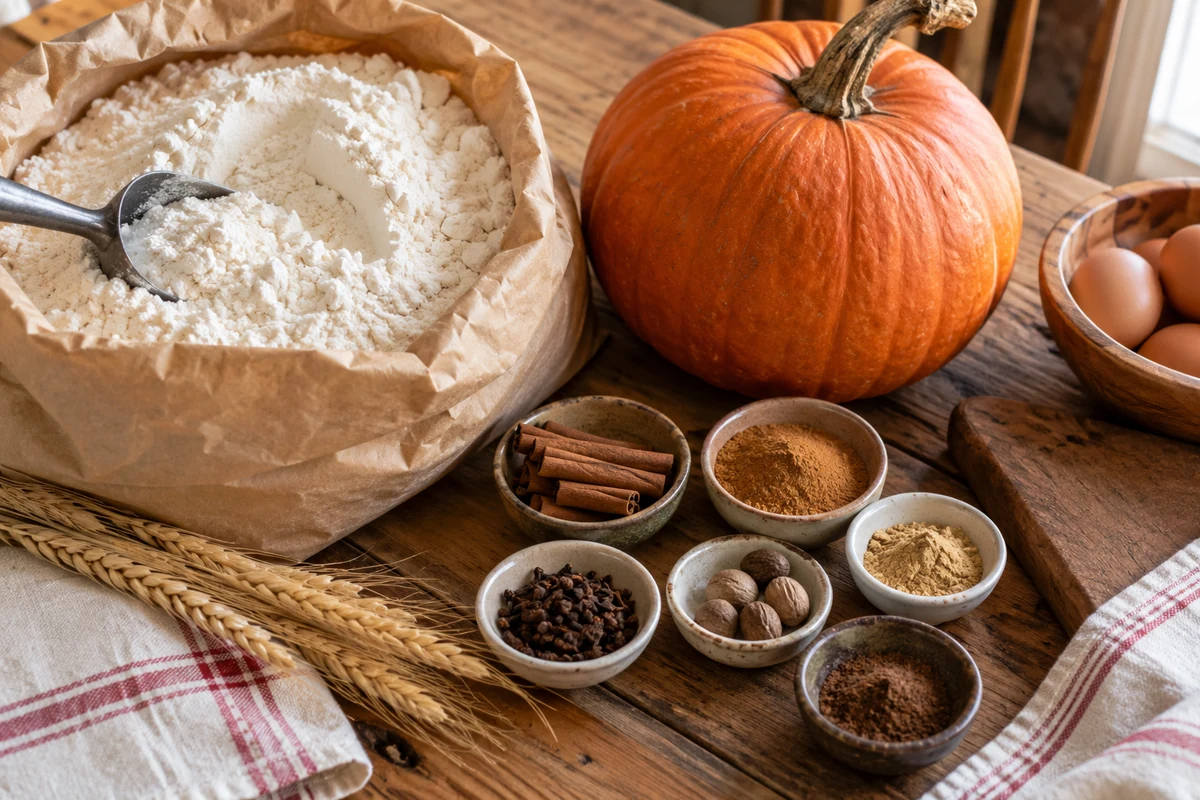
Use the bulk spice shopping guide to turn the missing-spice line into quantities you can use after the holiday.
Quick Comparison: Which Purchase Fits Your Plan?
The most economical choice is not always the largest package, and the easiest choice is not always the finished product. Compare the entire purchase: quantity, remaining work and transport needs.
| Shopping choice | Best fit | Tradeoff to check | Decision at the shelf |
|---|---|---|---|
| Larger bag of a baking staple | Several planned uses beyond dinner | More cash and shelf space committed | Name the later uses before buying |
| Small package of a specialty ingredient | One dish or a small household | Unit price may be higher | Compare total spend and likely remainder |
| Finished pie or rolls | Limited baking time or oven space | Ingredients, handling and fragile transport | Remove corresponding scratch ingredients |
| Individual spices | Specific recipes and future everyday use | Several packages can add up | Buy only missing recipe ingredients |
| Seasoning blend | A recipe that explicitly suits it | Added ingredients and less flexibility | Read the full ingredient list |
| Refrigerated purchase | A route with suitable cold transport | Adds handling and route constraints | Confirm instructions before purchase |
Plan the November Trip Without Overcommitting
Thanksgiving falls on Thursday, November 26, 2026, as listed on the federal holiday calendar. Work backward from the meal: choose the menu, check the pantry, then decide which shopping can happen separately from purchases with product-specific timing needs.
Before leaving, make one focused check of the stores you intend to use. Confirm the schedule for your intended day, payment options and the few essential product categories driving the trip. Holiday hours and bakery availability are store-specific. In northern regions, shorter November daylight also favors a compact route over a sprawling afternoon of optional stops.
If you are considering another outing on Small Business Saturday, November 28, verify each store’s hours and participation independently. Do not build the Thanksgiving plan around assumed holiday events or promotions.
Copyable Shopping and Decision Checklist
Copy this into a phone note, adding quantities beside each ingredient. The “skip” line is useful: it records decisions you have already made so an attractive display does not reopen them.
Meal responsibility / guest count:
Make:
Buy finished:
Delegated:
Already have, with usable quantities:
Pantry purchases, with quantities:
Spices actually missing:
One breakfast plan:
Cold purchases and transport plan:
Fragile purchases and packing space:
Acceptable substitutions:
Skip / already covered:
Store schedule and payment checked:
Final unresolved essentials:
Four Common Shopping Questions
Are country-store products necessarily Amish-made?
No. Amish ownership, Amish manufacture and an Amish-country location are different things. A shop may sell goods from several kinds of suppliers. If origin matters to your purchase, ask who made the specific product and use available labeling rather than treating the setting as proof.
Is bulk buying worthwhile for one Thanksgiving dinner?
Sometimes, but package size alone does not establish value. Compare unit prices, total spending, cupboard space and realistic later uses. A smaller quantity can be the better purchase when the larger bag would leave an unwanted remainder.
Should I buy baking ingredients or a finished dessert?
Choose based on the work you want to do, your available equipment and the product’s ingredients and handling needs. Buying a finished dessert can simplify the day, but only if you remove its scratch ingredients from the list rather than paying for both plans.
What if a bulk item has unclear ingredient information?
Ask staff for the product’s ingredient and allergen information before buying. If you cannot get the information needed for your household, choose a clearly labeled alternative. An unadorned bag or a verbal description such as “traditional” does not establish what is in it.
Images are AI-generated editorial illustrations, not photographs of particular stores or makers.
Start now with three lines: what you are making, what you are buying finished and what is already in the pantry. Then add quantities only for the gaps.