
8 Bulk Spice Shopping Tips for a More Useful Pantry
Make bulk spice shopping more useful with eight practical tips on amounts, blends, labels, storage and unit prices, plus a checklist for your next store visit.
This practical guide follows our source, correction, and uncertainty standards.
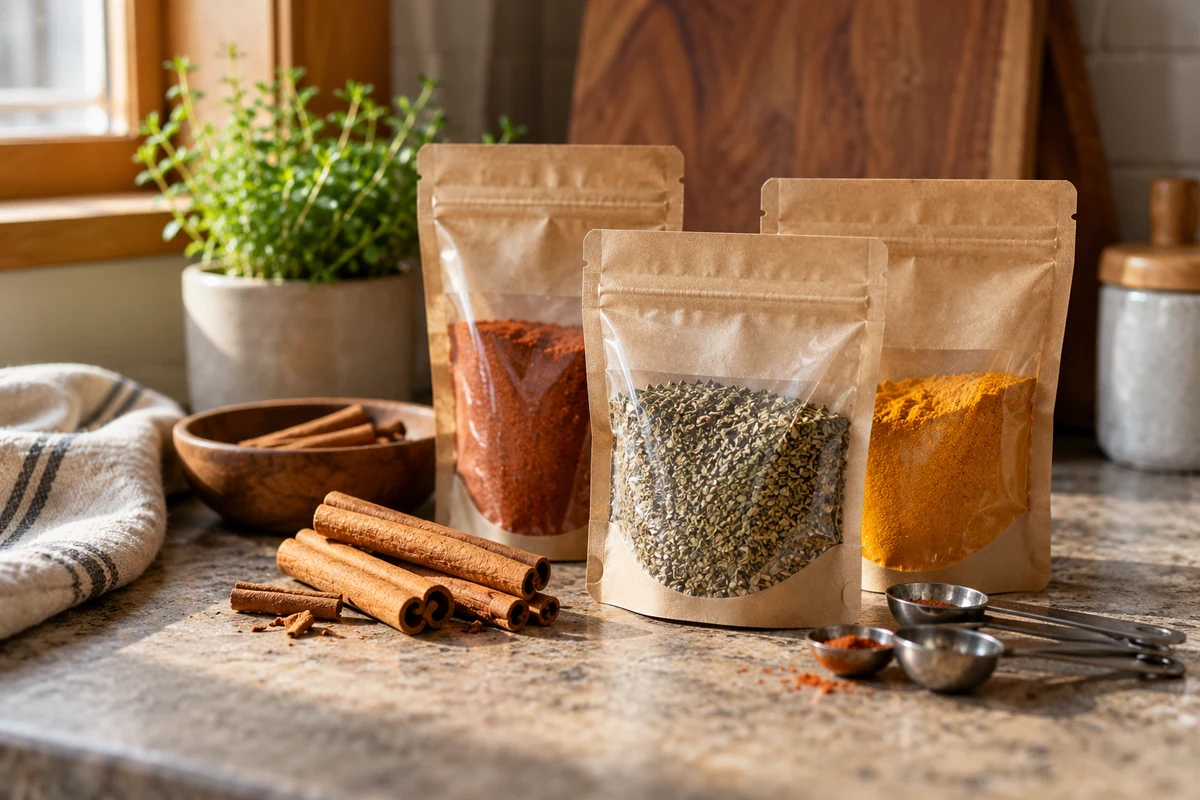
AI-generated editorial illustration; not a photo of a listed business.
The next few recipes you plan to cook can tell you exactly which spices deserve space in the shopping bag. Check the cupboard, note what is running low and separate familiar ingredients from blends you would like to try. These bulk spice shopping tips turn that short recipe list into eight practical buying decisions. You will compare amounts, whole and ground forms, labels and storage space before choosing a package.
8 Bulk Spice Shopping Tips for a More Useful Pantry
“Bulk” may mean self-serve bins, small store-packed bags or larger sealed packages. It does not necessarily mean buying a large quantity, and the format varies by store. These eight decisions help you compare what is in front of you rather than assuming every bulk-food shelf works the same way.
1. Buy Spices for Real Recipes
Start with meals already in your rotation. If you regularly make bean chili, cinnamon oatmeal and roasted vegetables, check the seasonings those dishes actually require before adding unfamiliar jars to your basket. A spice with a named job is easier to judge than one bought because it sounds interesting.
Check the exact form, too. A recipe calling for cinnamon sticks does not automatically justify buying ground cinnamon, and garlic salt is not interchangeable with garlic powder without changing the seasoning balance.
For each purchase, finish this sentence: “I will use this in ___.” Leave room for one experimental spice if you enjoy trying something new, but give it a specific first use. The actionable choice is simple: replenish your dependable staples first, then decide whether the experiment deserves a small trial purchase.
2. Choose Small Amounts First
The smallest available pouch can be the best introduction to a spice you rarely use. Ground cardamom for an occasional baking project may deserve a different purchase size from the black pepper you use throughout the week. Buying both in equally large bags ignores that difference.
Ask how the store sells its spices: “Are these available in smaller packages, or is this the minimum amount?” Do not assume staff can split a sealed package or that customers may fill their own containers. Where weighing is offered, ask how container weight is handled.
Balance the lower unit price of a larger package against the likelihood of finishing it while you still enjoy its flavor. Our small-household bulk-food shopping guide can help with the same decision across the rest of your basket. For a first purchase, favor a manageable amount over an impressive package.
3. Compare Whole and Ground Spices
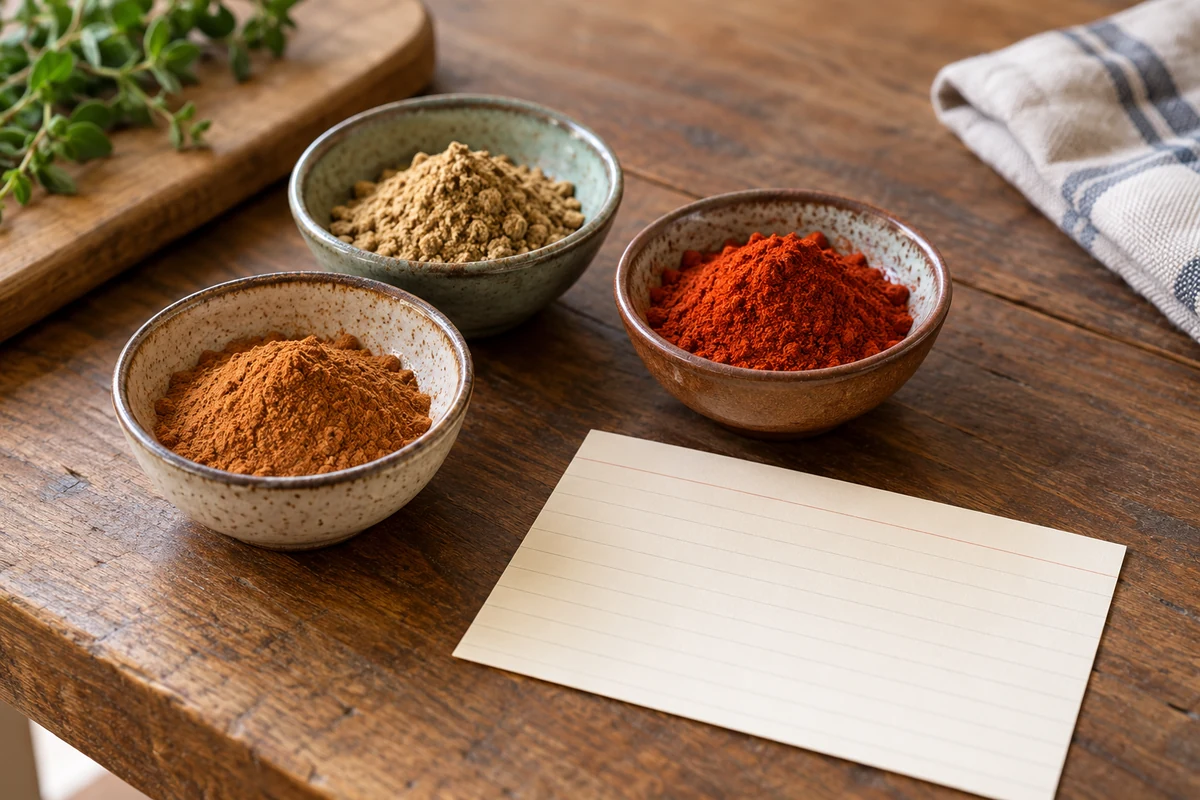
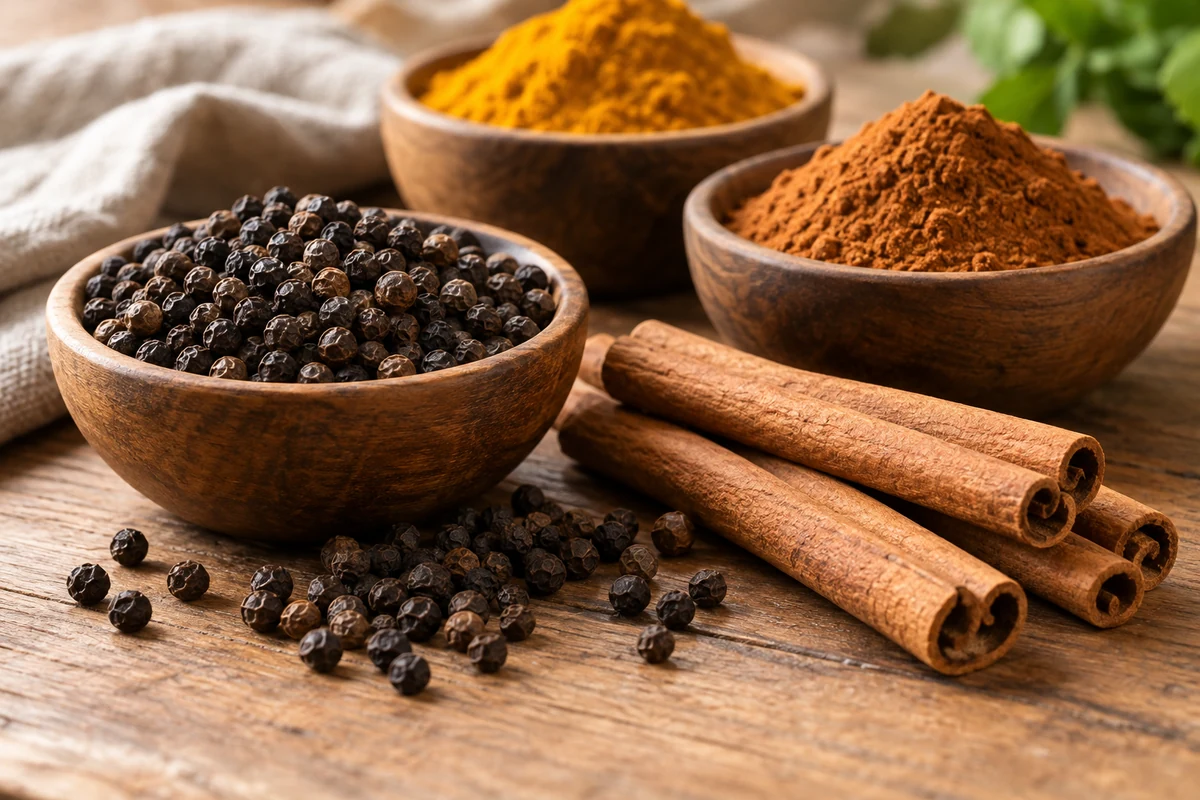
Whole spices and ground spices solve different problems. Peppercorns make sense when you already own and use a pepper mill. Ground cumin is more convenient when your usual recipes call for a measured spoonful and you do not want another preparation step.
Whole spices generally retain their aroma longer than ground versions, but that advantage is less useful if the package sits untouched because grinding feels inconvenient. Cinnamon sticks also behave differently from ground cinnamon; choose the form your intended dish uses rather than treating one as a straight substitute for the other.
Ask whether similar-looking packages contain the same variety and form before comparing prices. Then consider your equipment: a grinder, mill or mortar adds effort and sometimes another purchase. Choose whole spices for a task you will actually perform; choose ground when convenience makes the ingredient more likely to earn its place.
4. Read Seasoning Blend Labels
A name such as “all-purpose seasoning” tells you less than the ingredient list. One blend may begin with salt; another may contain sugar, starch or ingredients you did not expect. Two packages with similar names can produce very different results and have very different value for your purposes.
Decide whether you want a ready-to-use mixture or greater control over individual seasonings. A blend can simplify a familiar meal, but it may duplicate several ingredients already on your shelf. Ask, “Is there a full ingredient label for this package?” rather than relying on the display name.
If allergies matter, read ingredient and allergen information and ask about repacking practices; plain packaging does not establish safety. The FDA’s food-allergy guidance explains why label reading matters. If you cannot confirm the information you need, choose a clearly documented alternative instead of guessing.
5. Make a Two-Recipe Spice List
Before leaving home, choose two dishes you realistically expect to make and write down their spices. Circle the overlap. For example, if your bean chili and taco filling recipes both use ground cumin and paprika, those ingredients have two clear jobs. A specialty blend needed for only one unfamiliar dish belongs in a smaller trial category.
Next, check the cupboard. Cross off ingredients you already have in useful amounts, and note the exact form of anything missing. “Paprika” may still need a qualifier such as smoked or sweet; a rushed substitution can change the dish more than expected.
This is a buying plan, not a requirement to use every spice in two recipes. The overlap simply helps prioritize. Add the finished list to your broader bulk-food pantry checklist, then buy shared staples before optional extras if your budget is limited.
6. Keep Spice Labels and Dates
Decanting a pouch into a jar can make a cupboard easier to use, but do not throw away the information that came with it. Keep the product name, ingredient list, any lot code and the producer’s date or handling guidance. A photo of the full label is useful when the original will not fit on the container.
Mark your purchase or opening date separately. That is your household reference point, not a replacement for the producer’s date and not proof of when the spice was packed or harvested. If a displayed date is unclear, ask what it represents.
Avoid topping up an unidentified old supply with a new purchase; separate batches preserve clearer records. For blends, retain enough information to buy the same product again—or avoid it if it was not a good fit. A tidy jar is most useful when you still know exactly what is inside.
7. Store Spices Away From Steam
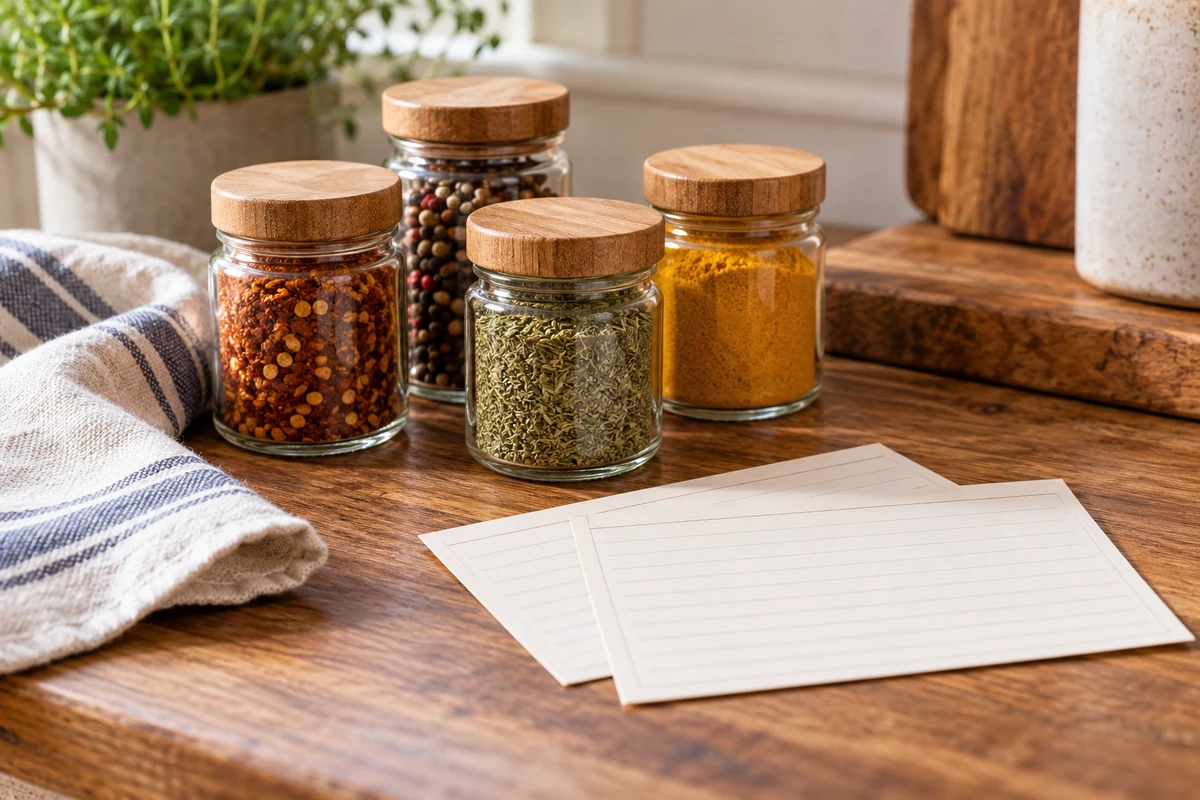
Think about the destination before buying another pouch. A shelf directly above the stove may be convenient, but it exposes spices to steam and heat. A dry cupboard away from the cooking area and direct sunlight is usually a more useful home, following each product’s actual label instructions.
Check whether the package reseals securely. If it does not, plan for a suitable clean, dry container with a tight-fitting lid. Include that container’s space and cost in your shopping decision rather than discovering afterward that the bargain bag has nowhere to go.
Use a dry measuring spoon, close the package after use and avoid shaking an open jar directly over a steaming pot. If storage space is already crowded, buy a smaller amount or postpone a duplicate. The aim is not a matching display of jars; it is a supply you can identify, reach and protect from moisture.
8. Compare Spice Cost by Weight
Package size can be misleading: a tall pouch is not necessarily a better buy than a short jar. Compare the same spice, in the same form, using the same weight unit. Divide the package price by its net weight to calculate cost per ounce or cost per gram. Do not compare one price per ounce with another per pound without converting.
Then check what makes the products different. A salt-heavy seasoning blend is not a direct substitute for a single spice, and a refill pouch does not include a reusable container. Whole and ground versions also have different convenience value.
Ask for the net weight if it is not clear; visual fullness is not enough. Finally, consider the total amount you will spend and use. A lower unit price only helps if the quantity suits your household. Choose the best usable purchase, not automatically the cheapest weight on the shelf.

Tie a new seasoning purchase to an actual meal. The dried bean and lentil shopping guide offers familiar pantry-meal starting points.
Quick Comparison: Which Package Fits Your Pantry?
Use this table to narrow the choice, then check the actual product label and package. No single format wins for every spice.
| Option | Useful when | Main tradeoff | Check before buying |
|---|---|---|---|
| Small sealed pouch | Trying an unfamiliar spice | May cost more per unit | Net weight and resealability |
| Larger refill bag | Replenishing a frequent staple | More money and space committed | Realistic use and container capacity |
| Whole spice | Your dish or grinder calls for it | May require equipment or extra effort | Exact variety and intended use |
| Ground spice | You value ready-to-measure convenience | Aroma generally fades sooner | Appropriate quantity and label dates |
| Seasoning blend | You want one consistent mixture | Less control over individual ingredients | Full ingredients, including salt |
| Store-filled portion | The store offers flexible quantities | Procedures vary by shop | Minimum amount and weighing method |
Find a Store That Matches Your List
Use the store directory search to find relevant shopping options, then check the details for your chosen location. For an errand close to home, stores near you can help narrow the starting area. A directory listing is a starting point, not confirmation that a specific spice or package size is available.
Make one focused inquiry before a special trip: “Do you sell spices in small packages or by weight, and can I check full ingredient labels? I’m looking for ground cumin and cinnamon sticks.” Add questions about current hours, payment methods or container policies only as needed. This is more useful than asking whether the store has “bulk foods,” which could describe many different products.
Keep ownership and product origin separate. An Amish-owned store may sell spices sourced through commercial suppliers; being sold there does not make a spice Amish-grown or Amish-made. Ask who produces or packs an item if that distinction matters to your purchase. Likewise, verify claims such as organic or local on the product information rather than inferring them from the setting.
Copyable Spice-Shopping Checklist
Copy this into your phone and fill it out beside your cupboard, not in the aisle.
MY SPICE PLAN
[ ] Two dishes I expect to make: __________
[ ] Spices already on hand checked
[ ] Needed names and exact forms: __________
[ ] Frequent staples separated from trial purchases
[ ] Amount I can reasonably use: __________
[ ] Full blend ingredients checked
[ ] Net weight and same-unit prices compared
[ ] Package or suitable container will seal securely
[ ] Dry cupboard space available
[ ] Original labels and producer dates retained
[ ] Purchase/opening date recorded separately
[ ] Store details confirmed if making a special trip
Frequently Asked Questions
Does bulk always mean a large quantity?
No. Some stores offer small prepacked portions, while others sell larger bags or weigh requested amounts. Ask about the actual format and minimum purchase. A small portion from a bulk-food department may suit an occasional-use spice better than a large refill bag.
Is bulk spice shopping always cheaper?
No. Compare equivalent products by net weight, then consider any container cost and how much you will use. A larger bag can have a lower unit price but still be the less useful purchase if most of it remains untouched.
Should I replace every ground spice with a whole version?
Only when the form suits your dishes and equipment. Whole peppercorns are practical with a mill; ground spices may better fit a quick weekday routine. Buying a form you will not use defeats the purpose, even if it retains aroma longer.
Can I tell freshness just by looking at a pouch?
Not reliably. Color and packaging alone do not establish packing date or flavor quality. Read available dates, ask what they mean and follow product-specific guidance. If the information is limited, a small trial purchase avoids committing to a large supply.
Images are AI-generated editorial illustrations, not photographs of particular stores or makers.
Before your next shopping trip, choose two familiar dishes, check their spices against your cupboard and write down the exact names, forms and amounts you need.