
8 Country Store Coffee and Tea Shopping Ideas
Shop country store coffee and tea with eight practical ideas for matching brewers, reading blends, comparing servings, and choosing gifts people will use.
This practical guide follows our source, correction, and uncertainty standards.
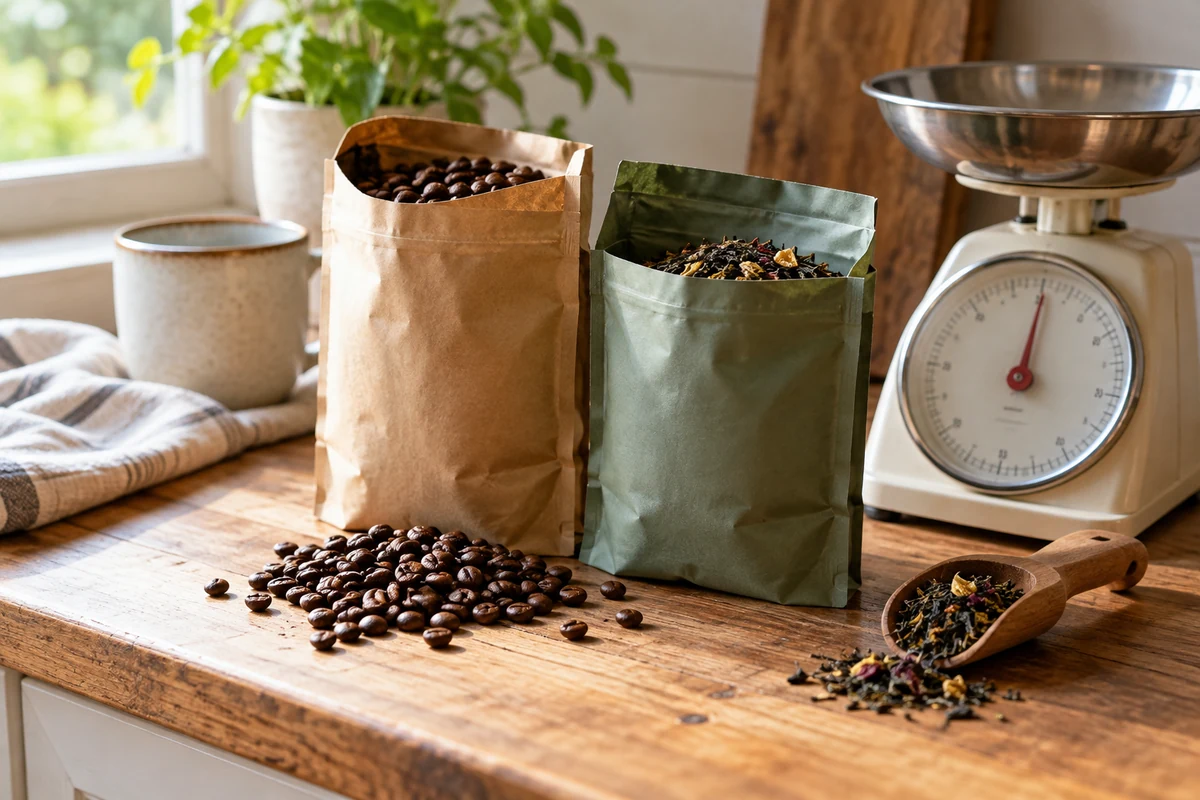
AI-generated editorial illustration; not a photo of a listed business.
The brewer on the counter and the tea cup used every morning are good clues for your next shopping trip. Ground coffee, whole beans, loose leaves and tea bags each fit different routines. This guide to country store coffee and tea offers eight ideas for choosing a useful format, comparing packages and putting together a thoughtful pairing. For a gift, find out how the recipient makes their usual drink before buying.
8 country store coffee and tea shopping ideas
A country-store shelf may carry nationally distributed brands, regional products, or goods packaged for the retailer. Being sold in an Amish-owned store does not establish that coffee or tea is Amish-made. If origin matters to your purchase, ask who roasted, blended, or packaged the product—and treat those as separate questions.
1. Match Coffee to the Brewing Method
Start with the machine, not the roast name. Paper-filter drip brewers, French presses, pour-over setups, espresso machines, and pod brewers have different requirements. A bag labeled simply “ground coffee” may not tell you enough about whether it suits your equipment. Loose coffee also will not work directly in a pod machine without a compatible refillable accessory.
Before shopping, photograph the brewer’s model information or write down the method you use. Then ask: “Is this grind intended for my kind of brewer?” If the seller cannot confirm, choose a clearly described option rather than assuming that a finer grind means better coffee.
Roast preference is a separate choice. Someone who likes a familiar darker roast may not enjoy a lighter one, even when both are correctly ground. Your decision: confirm brewer compatibility first, then narrow the choice by the flavors and roast level you already enjoy.
2. Check Whole Bean or Ground
Whole beans offer flexibility if you own a suitable grinder and are willing to use it. Ground coffee removes that daily step, which may matter more than having extra control. Neither format is automatically the better purchase for every household.
Read the package front and back before putting it in your basket. Similar-looking bags can hold different formats. If grinding is offered, ask which settings are available and whether the resulting grind suits your brewer; do not assume every store has that service.
For a gift, the useful question is simple: “Do they actually grind coffee at home?” Without that knowledge, a whole-bean bag risks becoming an errand rather than a treat. Ground coffee still needs a known brewing method, so avoid guessing there, too.
Your decision: buy beans for an established grinder user, or the correct ground format for someone whose routine favors convenience.
3. Start With a Small Coffee Bag
An unfamiliar coffee deserves a trial, not a pantry commitment. Choose a smaller sealed bag when you are testing a new roast, flavored coffee, or a producer you have not bought from before. A larger package can have a lower unit cost and still be poor value if you stop drinking it halfway through.
Compare net weight rather than bag height: folded tops and bulky packaging make visual comparisons unreliable. Look for any roast, packing, or best-by information provided, but do not treat those different dates as interchangeable. Follow the package’s guidance for keeping the coffee after opening.
Try one new variable at a time. Buying your usual format in an unfamiliar roast makes it easier to judge the coffee itself. The small-household bulk shopping guide offers a useful framework for deciding when larger quantities fit your habits.
Your decision: buy the smallest practical trial size, then consider a larger bag after you know you like it.
4. Read Tea Blend Ingredients
A name such as “orchard spice” describes an idea, not a complete ingredient list. The blend might contain black tea, fruit pieces, spices, flavorings, or an entirely herbal base. Turn the package over and check what is actually inside before judging whether it fits your cupboard.
Caffeine preferences deserve their own check. Decaffeinated tea is not the same thing as a naturally caffeine-free herbal blend, and “herbal” alone is not enough information to settle every blend’s caffeine content. Look for clear labeling or ask the producer when it matters.
For food allergies, read ingredient and allergen information; a plain paper pouch is not proof of suitability. The FDA’s food allergy guidance explains why label information matters.
A useful question is: “May I see the full ingredient information for this blend?” Your decision: choose a clearly identified blend that matches your preferences, rather than relying on its name or aroma.
5. Choose Tea for the Recipient
Think about where the tea will be used. Individually wrapped bags can be convenient for a desk drawer or travel bag. Loose tea makes more sense for someone who already enjoys measuring leaves and cleaning an infuser. A beautiful tin does not solve the missing-equipment problem.
Flavor familiarity also matters. A person who drinks plain black tea every morning may appreciate a well-chosen everyday option more than an assortment dominated by unfamiliar spices. Someone who enjoys variety might prefer a small sampler, provided its ingredients and individual blends are identified.
Ask one low-key question before buying: “What tea do you reach for most often?” That usually tells you more than asking whether someone likes tea in general.
If preferences remain unknown, keep the quantity modest and the labeling clear. Your decision: match format and usual flavor first; treat novelty as a small addition rather than the whole gift.
6. A Two-Item Coffee Gift
One correctly chosen coffee bag and one genuinely useful companion can make a complete gift. Consider a plain mug for someone who needs one, or the exact filter type their brewer uses. Avoid filters when the shape and size are uncertain; “coffee filters” are not a universal accessory.
Another option is coffee with a packaged biscuit or cookie, checking the food label for the recipient’s needs. This pairing offers something to enjoy alongside the drink without requiring more equipment. Keep the coffee sealed and leave both products’ information accessible.
Set a total budget before selecting the companion so the extra does not crowd out the main purchase. For other practical combinations, the Amish-store gift basket guide can help you build around the recipient’s routine.
Your decision: choose one compatible coffee and one useful partner. Skip decorative filler, and do not describe the contents as Amish-made unless their origin is verified.
7. Compare Cost per Useful Serving
Shelf price answers “What will I pay today?” It does not necessarily answer “What will each drink cost?” Begin by comparing equivalent units: price per ounce for similarly described coffee, or price per bag for comparable bagged tea. For loose tea, account for the amount you normally use rather than assuming every spoonful weighs the same.
A practical formula is package price ÷ servings you reasonably expect to use. Use your own portion habits or the package’s stated serving information. Do not assume a label’s “cup” matches your favorite large mug.
Include required extras when comparing formats. A first loose-tea purchase may need an infuser; whole beans may require equipment you do not own. Those costs matter even when the package itself looks economical.
Your decision: prefer the option with a sensible usable cost for your routine. A low unit price is not a bargain when much of the package goes unused.
8. Keep Coffee and Tea Labels
The label is your reordering record, not just packaging to discard. Keep the product name, producer or brand, coffee format, roast or blend description, net weight, and any identifying details that distinguish it from similar products. A quick photograph of both sides of the package often does the job.
If you transfer the contents to a household container, retain the original ingredient information and handling directions. Follow the product’s actual label and ask the producer for product-specific guidance if something is unclear. A handwritten “tea” sticker loses details you may need later.
For gifts, preserve the original label instead of covering it with ribbon or a decorative sleeve. Add a separate note naming the store where you bought it, without implying the store produced it.
Your decision: save enough information to repeat a successful purchase—or avoid repeating one that did not suit you.
Considering a tea-and-honey pair? Use the honey buying guide to choose the jar size and check origin information.
Quick comparison: which format fits?
Use this table to eliminate unsuitable options before comparing packaging or price. These are shopping matches, not a ranking of quality.
| Option | Best fit | Main tradeoff | Check before buying |
|---|---|---|---|
| Whole-bean coffee | Someone who regularly uses a grinder | Extra equipment and a daily step | Grinder suitability and roast preference |
| Ground coffee | A known brewer and a simpler routine | Less flexibility across brewing methods | Intended grind and net weight |
| Individually wrapped tea bags | Desk, travel, or occasional use | More individual packaging | Blend, ingredients, and bag count |
| Unwrapped tea bags | Regular use from one household package | Less convenient to carry separately | Label directions and package closure |
| Loose tea | An existing loose-tea drinker | Requires measuring and an infuser or suitable pot | Ingredients and equipment needs |
| Small sampler | Someone who enjoys trying new flavors | Some selections may go unused | Identification of every included blend |
Make the store stop purposeful
Use the store directory search to find possible shopping stops, then confirm the details that determine whether a visit is worthwhile. A directory listing helps you locate a store; it does not establish current coffee or tea selection. Some country stores emphasize pantry staples, while others have a broader gift assortment.
One focused inquiry can cover the essentials: “Do you currently carry coffee or tea, and are the coffee options whole bean, ground, or both?” If you need a specific tea format or ingredient information, add that question. Confirm current hours and payment options before setting out rather than assuming neighboring stores follow the same practices.
Bring your brewer details, a photo of a product you already like, and a rough budget. The country-store packing guide can help with the rest of your trip preparation. Keep your shopping flexible enough to leave without buying when the available formats do not fit.
Copyable shopping and decision checklist
- Buying for: myself / household / gift recipient
- Brewer or tea equipment: __________
- Format needed: beans / ground / tea bags / loose tea
- Preferred roast or tea flavor: __________
- Caffeine preference and ingredient needs: __________
- Total budget and sensible trial size: __________
- Compare net weight, bag count, or usable servings.
- Verify origin if it matters to the purchase.
- Keep ingredient information and handling directions.
- Gift companion, only if useful: __________
- Photograph the label for a possible repeat purchase.
Frequently asked questions
Is coffee sold in an Amish store Amish-made?
Not necessarily. Store ownership, roasting, blending, and packaging are different parts of the product’s story. Ask who performed the work you care about. A country-store setting or plain label does not establish the maker’s identity.
Is loose tea always cheaper than tea bags?
No. Compare the price with the servings you will actually use, including any equipment needed. Loose tea may suit an established tea routine, while bags can be better value for an occasional drinker who wants convenience.
What if I do not know the gift recipient’s brewer?
Ask before buying coffee, or choose a different gift whose fit you can confirm. Whole beans are not a safe default for someone without a grinder, and an unspecified ground coffee may not suit their machine.
Should I buy the largest package for better value?
Only if you already like the product and reasonably expect to use it. Start smaller with unfamiliar coffee or tea. Compare unit costs, but do not let a larger package override taste, convenience, or your budget.
Images are AI-generated editorial illustrations, not photographs of particular stores or makers.
Before your next shopping trip, photograph your brewer or favorite tea label, complete the checklist, and choose one store to contact about the format you need.