
8 Ways to Plan Thanksgiving Bread and Dinner Rolls
Choose Thanksgiving dinner rolls and bread that fit your menu, guest count and pickup plans, with practical bakery questions and a copyable shopping checklist.
This practical guide follows our source, correction, and uncertainty standards.
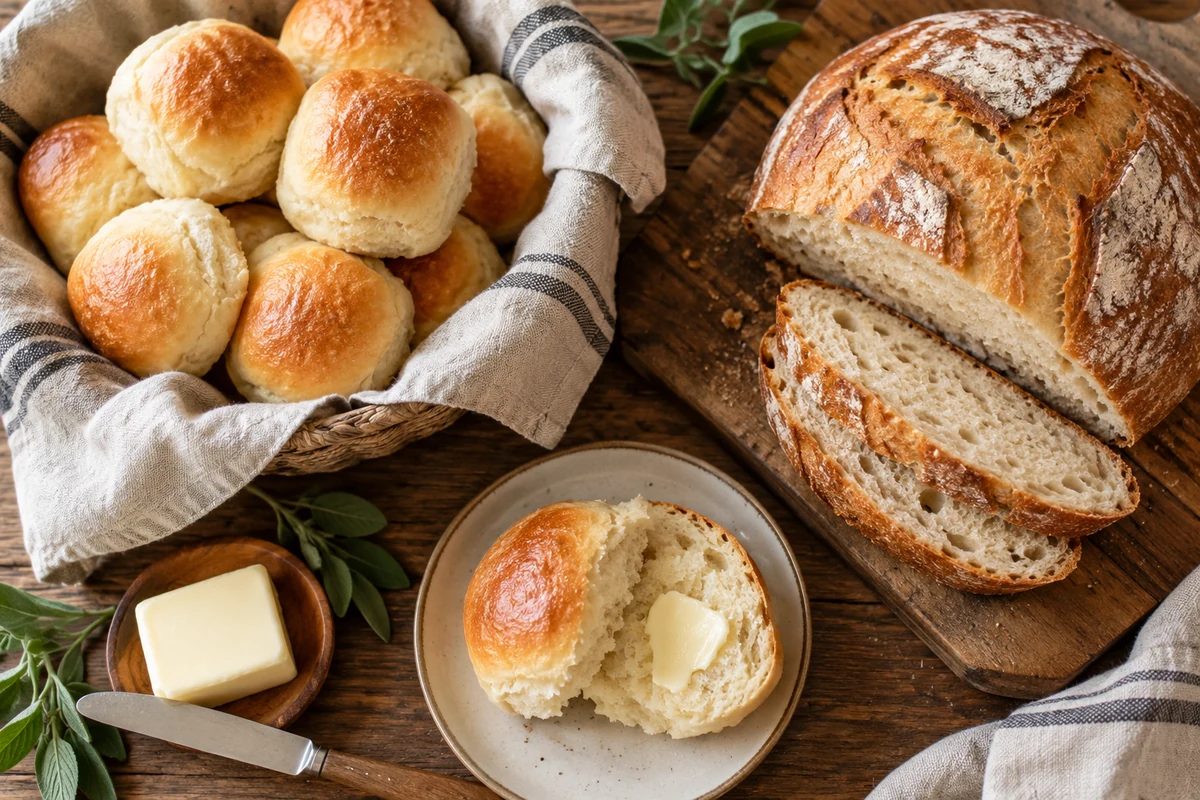
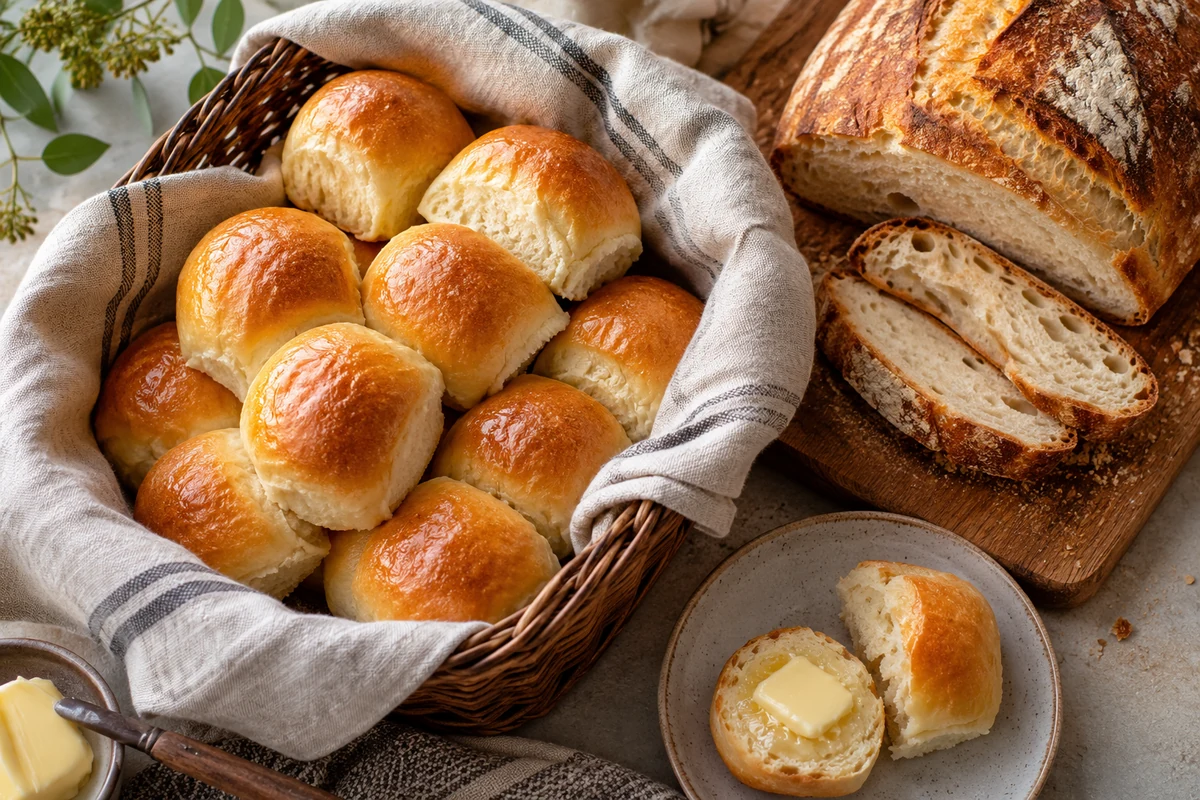
AI-generated editorial illustration; not a photo of a listed business.
Bread shares the Thanksgiving table with everything from stuffing to gravy, so it helps to give each loaf or roll a clear purpose. You might want soft individual rolls for dinner, a sliceable loaf for smaller portions, or enough bread to cover Friday breakfast too. This guide to Thanksgiving dinner rolls walks through eight choices that connect the bakery purchase to the meal. Begin with the menu and guest count, then use the questions below to work out quantities, pickup and packing.
Thanksgiving dinner rolls: eight ways to buy with a plan
1. Choose Rolls for the Actual Menu
Look at the dishes already taking up space on the table. With stuffing, potatoes and several rich sides, a modest, soft roll may be more useful than a large specialty bun. If the meal has fewer starchy sides, a more substantial roll might earn its place. Think about how guests will eat it: alongside turkey, spread with butter or used to gather the last bit of gravy.
Sweetness and texture matter as much as size. Ask whether a roll is noticeably sweet, fairly neutral, tender throughout or firmer on the outside. Names alone may not settle that question.
Ask: “Which of these is a softer, less-sweet dinner roll, and how large is each one?”
Choose the style that complements dinner rather than competing with it. Check ingredients for dietary needs; a plain-looking roll or simple wrapper does not tell you whether it contains milk, eggs, sesame or other allergens.
2. Mix One Loaf With Dinner Rolls
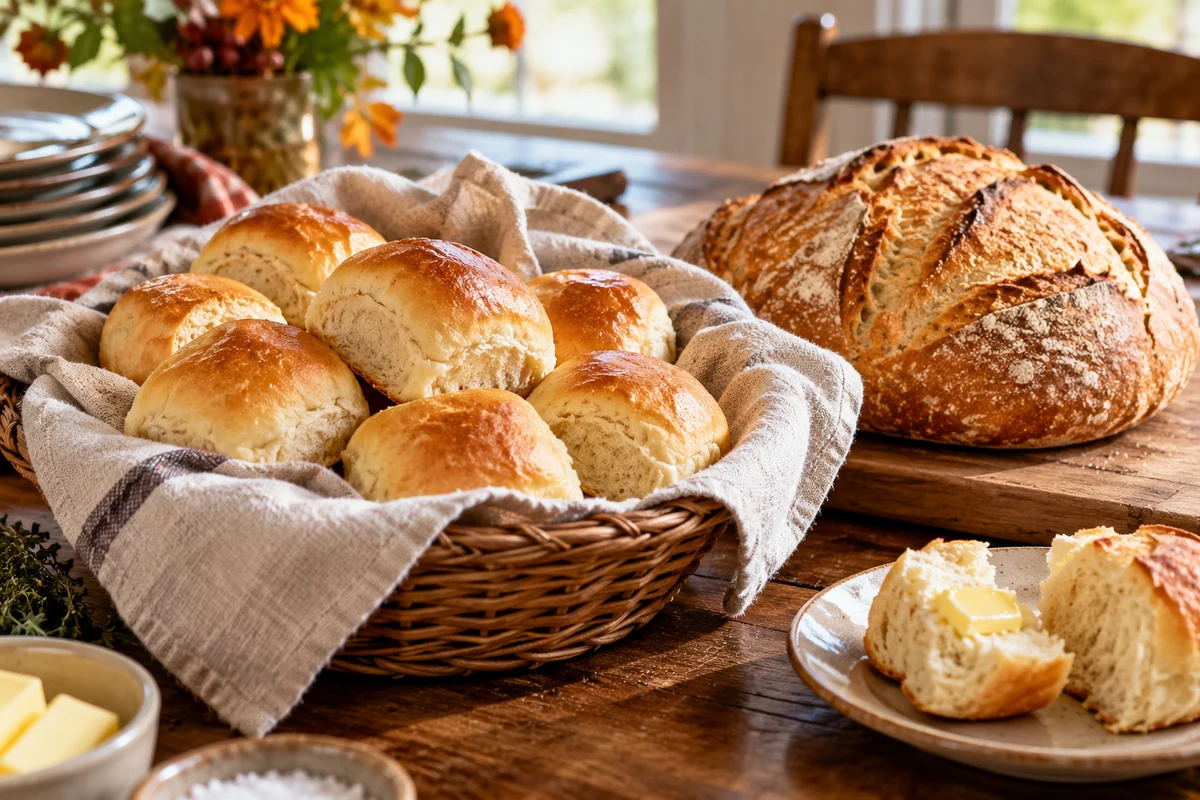
A loaf and rolls can serve different purposes without turning dinner into a bread tasting. Rolls offer easy individual portions; a loaf lets you cut smaller pieces for guests who want just a little. A rustic loaf also brings a different texture, although a firm crust may not suit every guest.
Make the loaf a substitute for some rolls, not an automatic addition to a full roll order. Compare the package count with the loaf’s size and your likely slice thickness. A large loaf can look economical while still being too much for the household.
Ask whether slicing is available and whether the producer recommends buying it sliced or whole for your planned serving day. Our Amish bakery shopping guide can help you prepare for the wider bakery selection.
Decision: Add the loaf only if you can name its job—smaller dinner portions, a contrasting texture or planned breakfast toast.
3. Confirm Bakery Pickup Details
Thanksgiving falls on Thursday, November 26, 2026, as listed on the federal holiday calendar. Plan around the bakery’s own schedule, not an assumption that it will be open the day before or on the holiday. Advance ordering, pickup arrangements and payment methods vary by store.
Use the store search to identify possibilities, then confirm details directly through the contact method each business provides. If ordering is offered, record the product, package count, pickup location and agreed collection window. Check whether substitutions are possible and how you would be notified.
Question script: “I’m planning bread for Thanksgiving. Do you offer advance orders, what sizes or package counts are available, and when would I collect it?”
For a multi-stop outing, favor a manageable route. November brings shorter daylight in northern regions, so leave room for an unhurried return rather than squeezing in another distant stop.
4. Buy Bread for a Small Gathering
For a small table, package size can make the decision for you. A family-sized bag may be less useful than a smaller pack, even when the larger pack has a lower cost per roll. Compare what you will use, not just the unit price.
For four diners, for example, start by deciding whether each person is likely to want one roll or another portion. Then account for the actual menu and any bread another guest is bringing. That estimate is a starting point, not a universal serving rule.
Ask whether smaller packs, individual rolls or a smaller loaf are sold; none should be assumed available. If the only option is larger, identify a realistic second use before buying. The same approach applies to other purchases in our small-household bulk-food shopping guide.
Decision: Choose the smallest format that comfortably covers dinner and any deliberately planned extra meal.
5. Keep Bread From Being Crushed
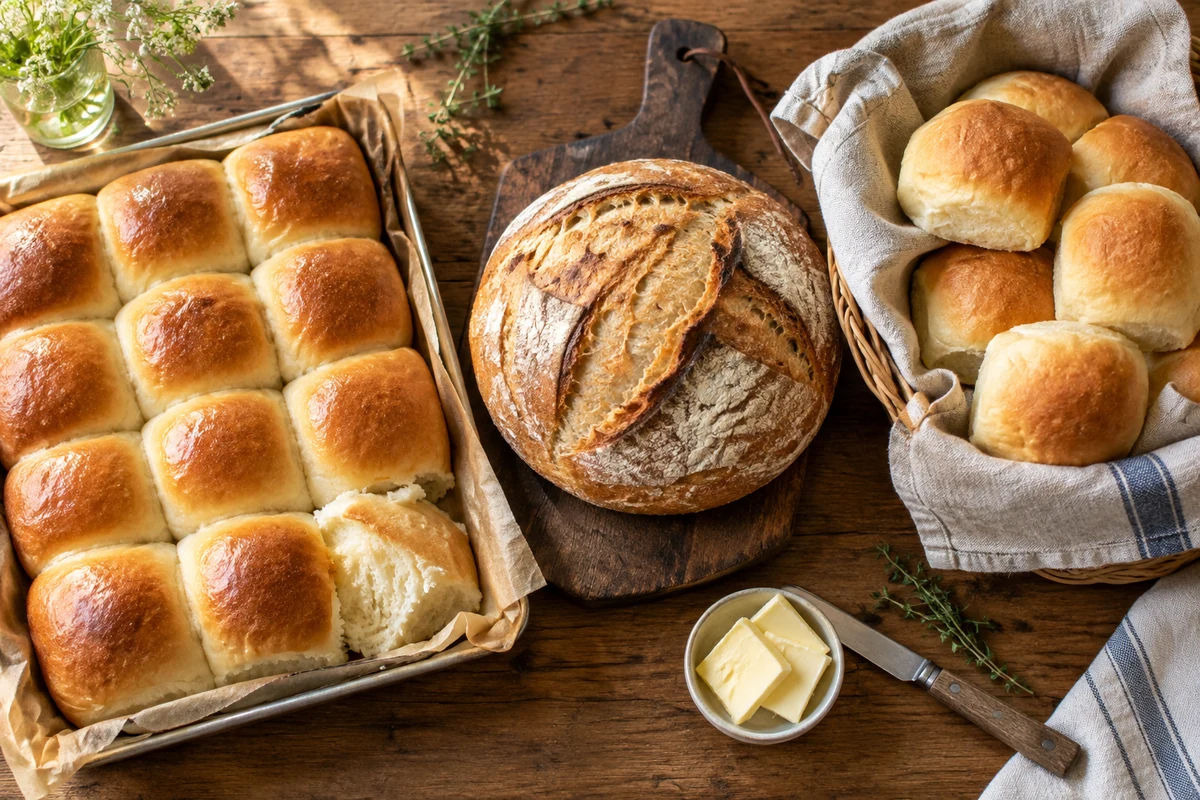
Tender rolls need a protected place in the car, especially if the same trip includes jars, produce or bulk pantry goods. A sturdy, clean box or rigid-sided tote can prevent heavy purchases from pressing into a soft bread bag. Keep the bakery’s packaging intact and give the bread its own level space rather than balancing it on an uneven pile.
A crusty loaf presents a different problem: its firm edges can squash delicate rolls packed alongside it. Separate the two within your carrier instead of wedging everything tightly together. Ask whether a bakery box is available when buying easily compressed bread, but bring your own protective carrier in case it is not.
Our country-store packing guide is useful for organizing the rest of the load.
Before leaving the parking area, check that bags cannot slide under heavier items. Good packing preserves the bread you chose without requiring elaborate equipment.
6. Ask About Freezing and Rewarming
Buying earlier can make the holiday week easier, but only if the bread suits your plan. Ask the producer whether that specific roll or loaf freezes well, whether its current packaging is suitable and what handling it needs before serving. Follow the actual product label and producer’s instructions rather than borrowing directions from a different bread.
A soft roll, a firm-crusted loaf and a glazed specialty bread may not respond the same way. If rewarming is recommended, find out what equipment it requires and whether that fits your crowded Thanksgiving kitchen. Bread that needs a last-minute oven step may be inconvenient when the oven already has several jobs.
Ask: “I want to serve this on Thursday. What buying, freezing and serving plan do you recommend for this product?”
If the answer remains unclear, choose bread with instructions you can follow and a pickup arrangement that does not depend on guesswork.
7. Plan the Bread Serving Basket
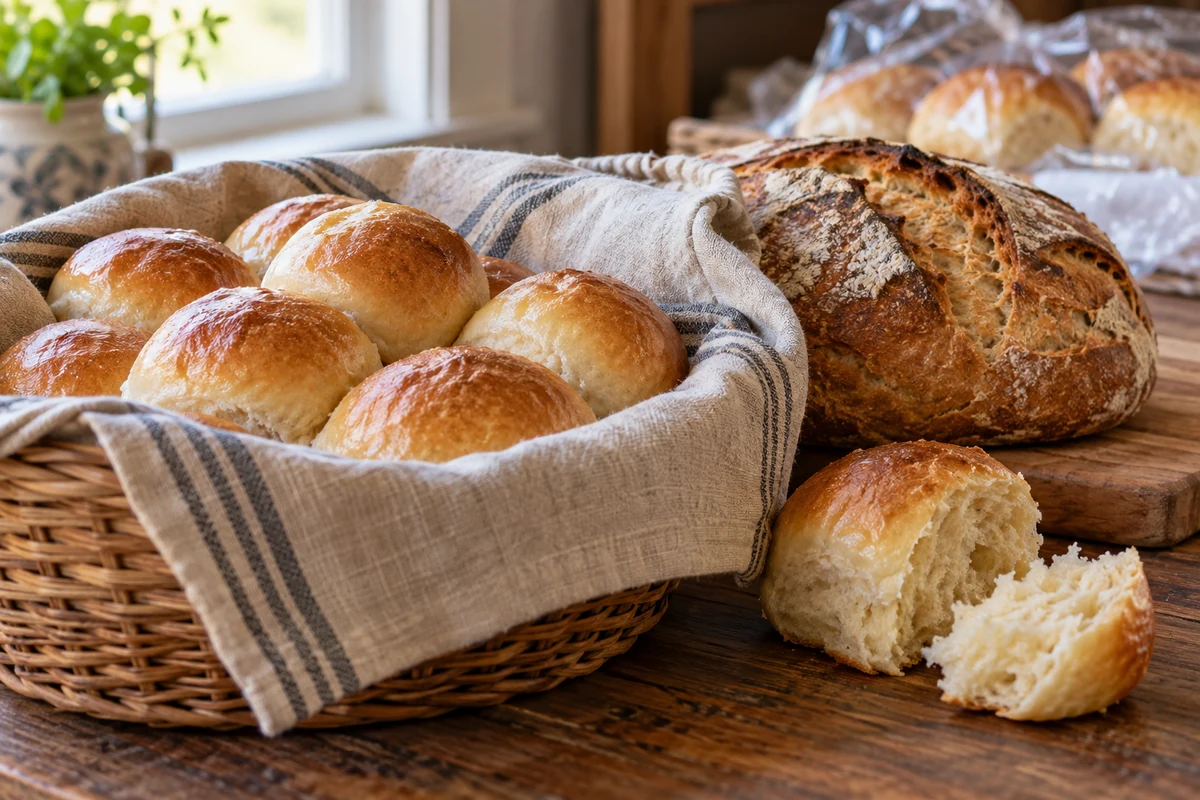
Choose the serving container before deciding that you need another bag. A shallow basket shows a modest quantity attractively; a deep basket can make the same purchase look sparse and tempt you to overbuy. Use a clean liner suitable for food contact, and avoid crowding slices so tightly that guests struggle to lift one out.
For a long table, two smaller baskets may be easier to pass than one large centerpiece. Keep loaf slices and rolls recognizable, especially when their ingredients differ. Save the original labels so guests can check details rather than relying on appearance or memory.
A separate basket alone does not establish allergen safety. For a guest with an allergy, discuss the product and serving arrangement with them instead of promising that separation solves the concern.
Decision: Set out an amount that fits comfortably, with any remaining bread handled according to its instructions. You do not need to display the entire purchase at once.
8. Save Bread for Friday Breakfast
Friday breakfast is a useful reason for extra bread when it is a real plan, not a vague hope that leftovers will disappear. A sliceable loaf may suit toast, while a few rolls may work alongside breakfast. Choose the format your household already enjoys rather than buying a second specialty loaf solely because it looks festive.
Count breakfast portions separately from dinner. If visitors will leave Thursday evening, do not buy Friday bread for people who will no longer be there. Conversely, overnight guests may make one multipurpose loaf more useful than extra dinner rolls.
Ask about the bread’s suitability for next-day use and follow its label or producer’s handling directions. Keep bread intended for breakfast separate from the serving basket and from any turkey or other meal leftovers.
Decision: Write down the breakfast use before adding extras to the order. If there is no likely use, leave the additional bread on the shelf.
Ordering dessert as well? The Thanksgiving pie preorder guide covers the separate questions to settle before combining bakery pickups.
Quick comparison: which bread earns its place?
Use this table to narrow the purchase, then confirm the characteristics of the actual products. Bakery names and bread styles do not guarantee a particular texture, ingredient list or package size.
| Option | Best fit | Main tradeoff | Confirm before buying |
|---|---|---|---|
| Soft dinner rolls | Easy portions beside a full holiday meal | Delicate rolls can compress in transit | Roll size, sweetness and package count |
| Rustic loaf | Smaller slices and a contrasting texture | Firm crust may not suit every guest | Crust texture and slicing options |
| Rolls plus one loaf | A table with different bread preferences | Easy to buy more than needed | Which portions the loaf replaces |
| Smaller pack or loaf | A small gathering with limited leftovers | Choice may be more restricted | Available formats and total cost |
| Bread bought ahead | A schedule with limited pickup flexibility | May require freezing or extra handling | Product-specific instructions and suitability |
When comparing value, look at the full purchase: quantity, usefulness, travel and preparation. A slightly different format at an easier pickup location may fit your holiday better than the largest bag. If you compare cost per piece, remember that two bakeries’ rolls may differ substantially in size.
Find the bread—and verify who made it
Use the near-me directory to find store options within a practical shopping distance. A listing can help you discover a destination; direct confirmation is still needed for holiday bread availability and collection details. Keep one alternative in mind in case your first choice cannot supply a suitable format.
Amish-owned, Amish-made and sold in a country store describe different things. A shop may sell bread from an outside supplier alongside products baked on site. If origin matters to your purchase, ask, “Is this baked here, or supplied by another bakery?” Then ask about the maker specifically if you want Amish-made bread. Rustic styling, simple packaging and a rural location are not proof of origin.
If you are buying bread to take to someone else’s dinner, settle the host’s needs first. Ask whether bread is already covered, which dietary requirements matter and whether the host wants a ready-to-serve purchase. That conversation can prevent a thoughtful contribution from becoming an extra kitchen task.
Copyable bread-shopping checklist
Copy this into your shopping notes and fill it out before contacting a bakery:
- Dinner guests: ___; Friday breakfast guests: ___
- Other bread or starchy sides already planned: ___
- Preferred texture, size and sweetness: ___
- Ingredients or dietary requirements to confirm: ___
- Rolls: ___ packages of ___; loaf: ___
- Loaf replaces these roll portions: ___
- Maker or on-site baking verified, if important: ___
- Availability, ordering method and payment confirmed: ___
- Pickup location and agreed window: ___
- Product-specific handling instructions recorded: ___
- Protective carrier and serving basket ready
- Deliberate use for extra bread: ___
Frequently asked questions
How many Thanksgiving dinner rolls should I buy?
Estimate from your actual guests, appetites and menu, then compare that estimate with available package counts. Include loaf slices and bread supplied by other guests. Add extra portions deliberately rather than automatically buying another full package.
Should I buy rolls or a loaf for a small dinner?
Choose rolls for simple individual portions; choose a loaf when flexible slice sizes and a planned second use matter more. Buying both is useful only if you reduce the quantity of each accordingly.
Can I buy the bread before Thanksgiving week?
Possibly, if the specific product is suitable for your buying and handling plan. Ask the producer about freezing, packaging and serving instructions before purchasing. Do not assume every bakery product works equally well bought ahead.
Are rolls from an Amish country store necessarily Amish-made?
No. Store ownership, product origin and where an item is sold are separate questions. Ask who baked the bread if that distinction matters to you; the shop’s setting does not establish the maker.
Images are AI-generated editorial illustrations, not photographs of particular stores or makers.
Write down your guest count and preferred bread style now, then contact one suitable bakery with the pickup question script before committing to your purchase.