
8 Ways to Choose Jam, Jelly and Preserves at a Country Store
Choose jam, jelly and preserves with confidence: compare textures, jar sizes, labels and value, then pack a useful breakfast purchase or thoughtful gift.
This practical guide follows our source, correction, and uncertainty standards.
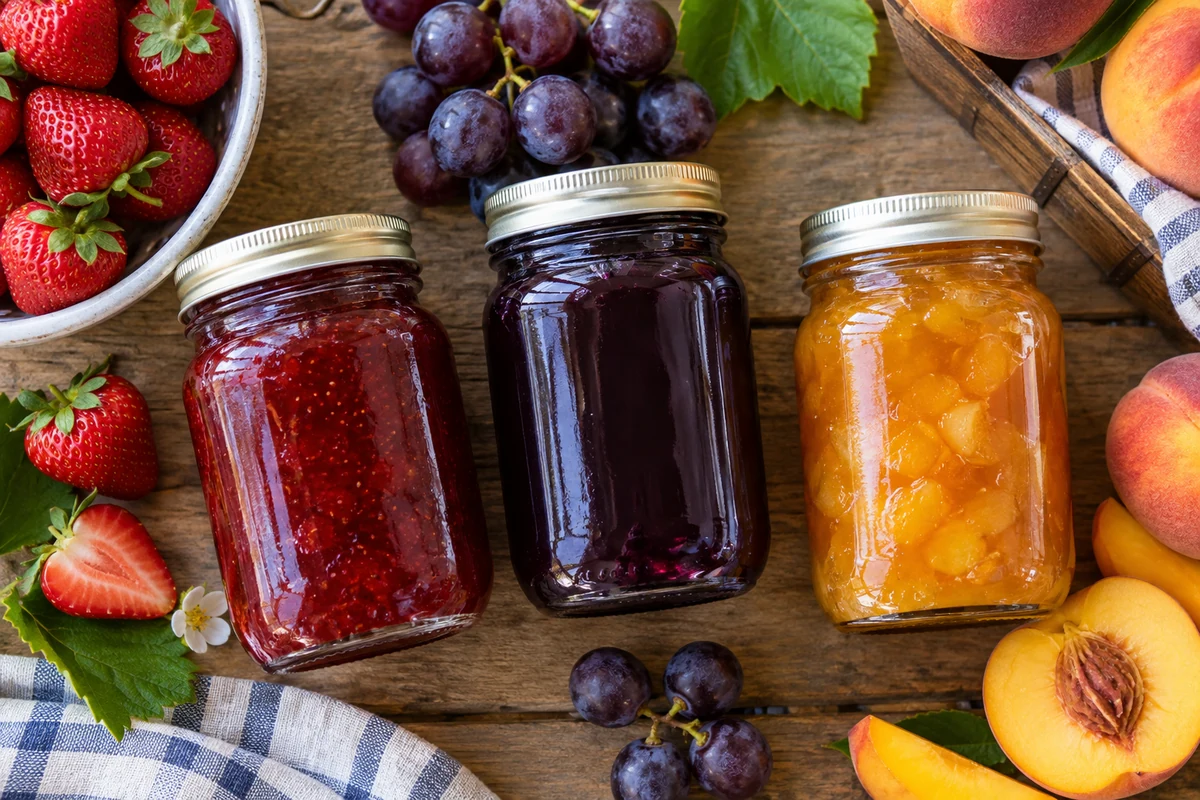
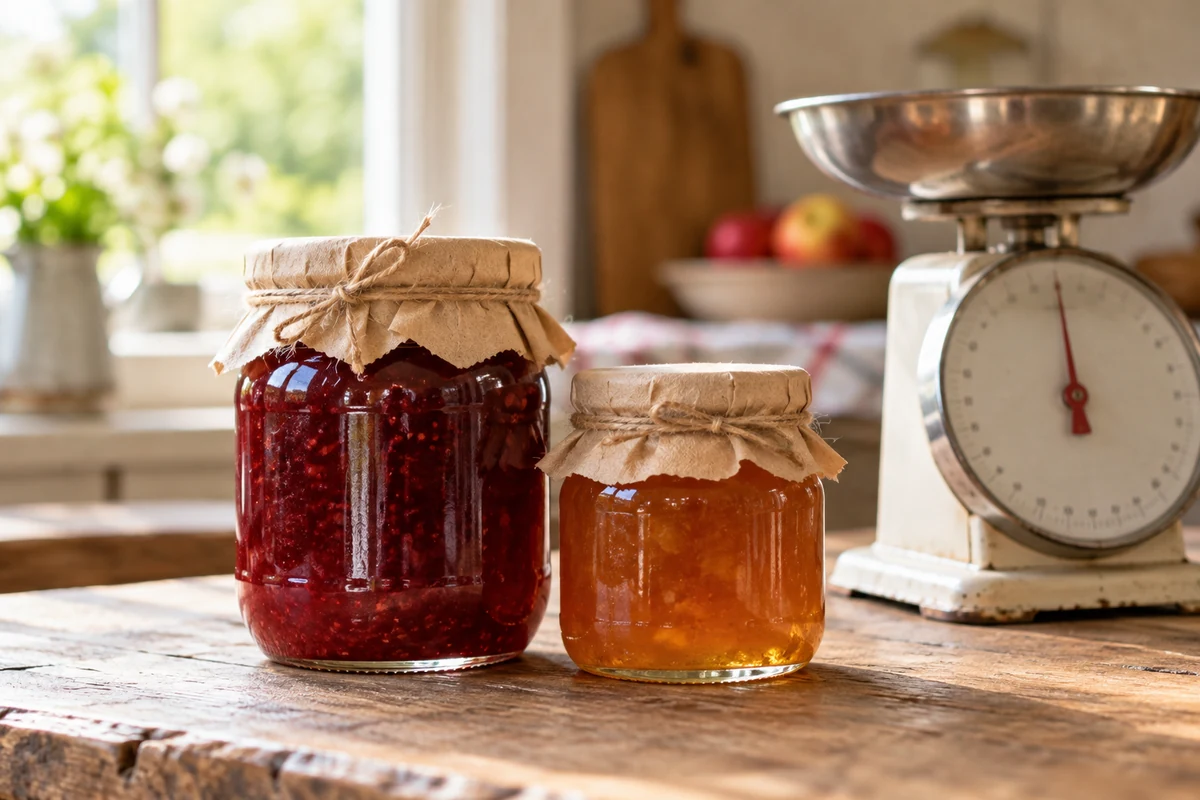
AI-generated editorial illustration; not a photo of a listed business.
Clear jelly, crushed-fruit jam and chunky preserves offer different experiences on the same piece of toast. That texture choice is a useful way to narrow a shelf full of flavors. When shopping for jam jelly and preserves, work from the breakfasts you make toward a jar size and ingredient list that fit your household. These eight ideas also cover simple gifts, price comparisons and protecting glass during the drive.
8 ways to choose jam jelly and preserves with confidence
1. Jam, Jelly or Preserves?
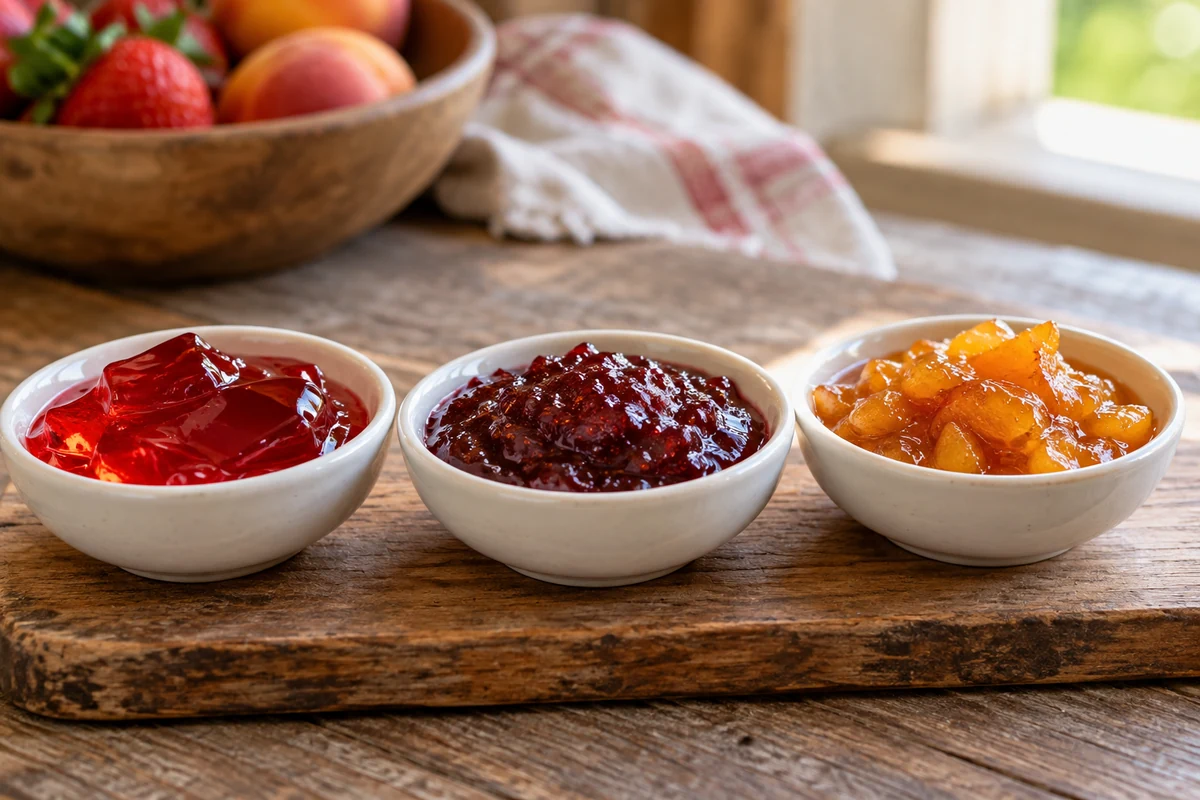
Think of these names as your first sorting tool, not three interchangeable words for sweet fruit spread. The National Center for Home Food Preservation distinguishes jelly made from fruit juice, jam made with crushed or chopped fruit, and preserves containing fruit pieces. That helps explain why clear grape jelly and chunky peach preserves behave differently on toast.
Use that distinction to narrow the shelf before comparing flavors. Jelly is a sensible starting point for someone who dislikes fruit pieces. Jam suits a buyer who wants fruit texture without deliberately choosing large chunks. Preserves are worth considering when recognizable pieces are part of the appeal.
Names alone will not reveal every detail. Ask, “Does this have noticeable fruit pieces or seeds?” If the answer remains unclear, choose a small jar rather than committing to a large one based on its name.
2. Choose Texture Before Flavor
Two strawberry spreads can taste familiar yet feel very different. One may have small seeds and a soft, even consistency; another may contain substantial pieces. A visible chunk through the glass tells you something, but it does not show how easily the whole jar will spread.
Picture the person using it. Someone who wants a thin layer on soft bread may find large pieces awkward. A person who likes a spoonful of fruit alongside a thick slice of toast may welcome them. Smooth texture also does not necessarily mean a milder or less sweet flavor.
Ask a focused question: “Which of these is smoothest, and which has the largest pieces?” If samples are offered, use them to judge texture as well as taste. Otherwise, buy the texture you already enjoy before trying an unfamiliar fruit and an unfamiliar consistency together.
3. Match the Jar to Breakfast
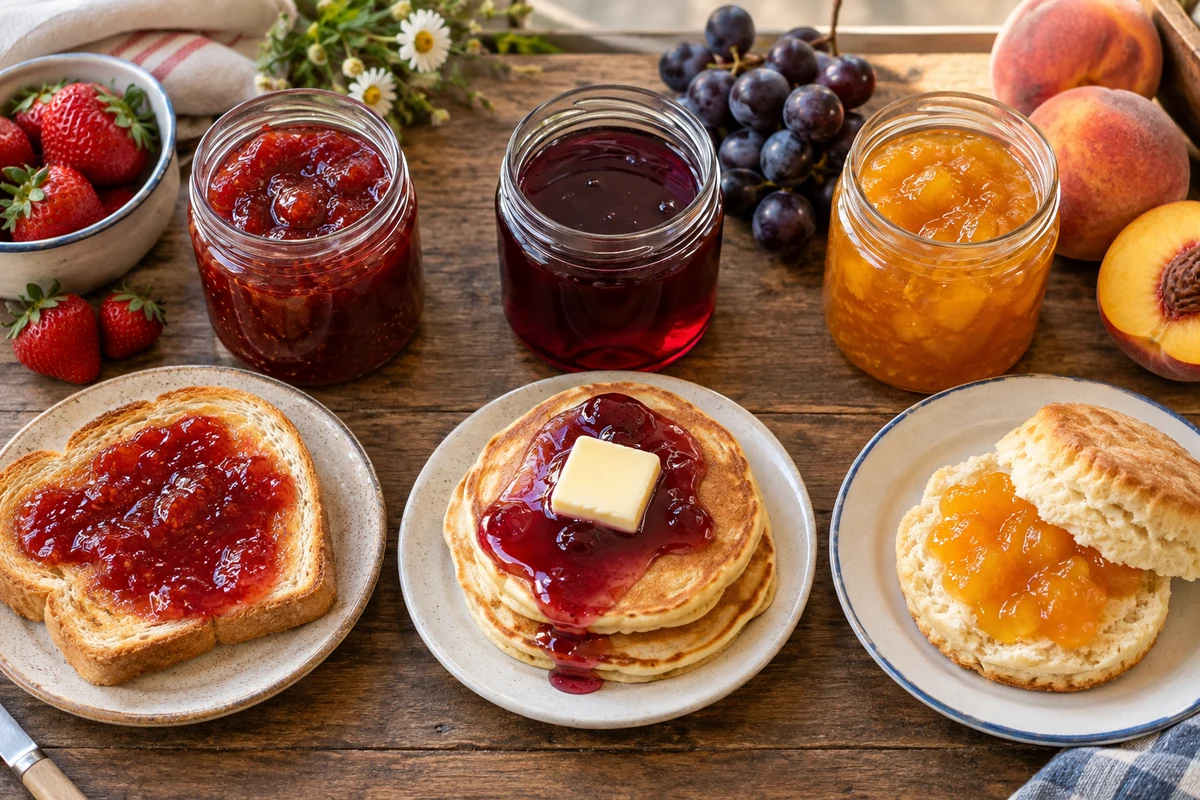
Choose a job for the jar before adding it to your basket. A spread for everyday sandwich bread has a different role from a fruit-forward accompaniment for weekend biscuits. Smooth jelly can be convenient for an even layer; jam offers some fruit texture; chunky preserves make sense when you specifically want pieces with each serving.
Consider sweetness and the rest of the breakfast, too. A sweet pastry may not need another sweet addition, while plain toast gives the spread more attention. Buying bread on the same trip? The Amish bakery shopping guide can help you choose a bakery purchase that has a real place in your meals.
Ask, “Is this more tart or more sweet?” Treat the answer as a taste description, not a nutrition claim. Your decision should be easy to finish: “This jar is for our weekday toast,” rather than “We will find something to do with it.”
4. Buy a Size You Will Finish
A large jar can be appealing until you remember the two partly used spreads already at home. Before comparing sizes, think about how many people will use this particular flavor and how often they reach for fruit spread. One enthusiastic peach fan is not the same as a household that all chooses peach.
For a new flavor, a smaller jar limits the cost of discovering that it is not a favorite. A larger size makes more sense for an established staple. Multiple small jars offer variety but may cost more per ounce and create more containers to manage.
Read the product’s directions for handling after opening, and ask the producer if they are unclear. Do not assume every spread has identical instructions. For more help matching purchases to actual use, see the small-household bulk shopping guide. Choose the size for your routine, not for an imagined season of elaborate breakfasts.
5. Keep the Ingredient Label
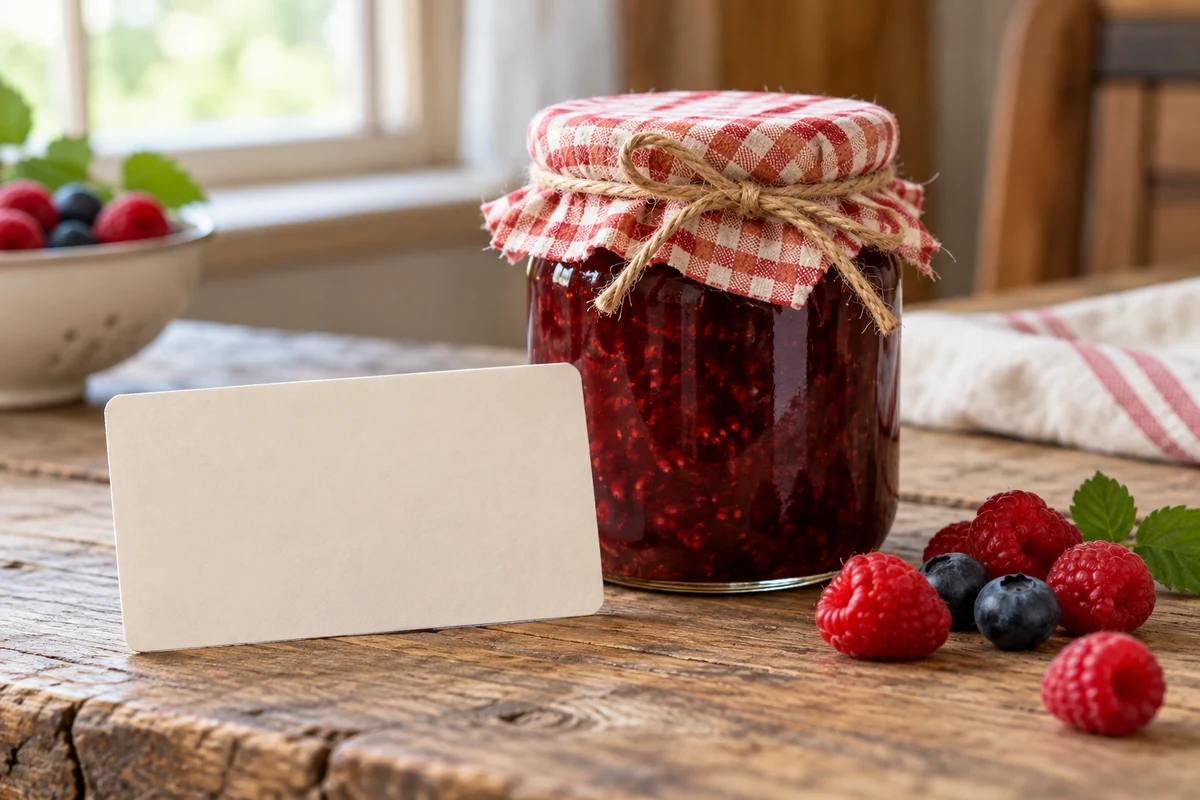
The useful part of a plain jar is not its rustic appearance; it is the information attached to it. Read the ingredient list, net weight, producer details and handling directions before buying. Keep that information with the jar, especially if you plan to give it away or cover it with decorative wrapping.
For an allergy-related purchase, check ingredient and allergen information and ask the producer about anything unresolved. Plain packaging does not establish allergen safety. If the information you need is unavailable, choose a different product rather than guessing.
Origin deserves a separate question: “Who makes this spread?” A product sold in an Amish-owned store is not automatically Amish-made. A country-store setting also does not prove that ingredients are local, organic or grown by the seller. If a particular origin matters to your purchase, look for a clear statement and ask for clarification before paying a premium for it.
6. A Simple Tea-and-Toast Gift
A useful breakfast gift can be modest: one well-chosen spread, a tea the recipient likes and a bread purchase that suits the handoff. There is no need to fill every corner of a basket with another flavor. For a recipient whose preferences you know, a familiar strawberry jam may be more thoughtful than an adventurous assortment.
Start by asking yourself whether they enjoy seeds, pieces and strong sweetness. If you do not know, a smaller jar reduces the commitment. Keep the original label visible and avoid attaching decorations that interfere with the lid or obscure handling instructions.
Check each food’s directions and plan the timing around the actual products, especially when including fresh bread. You can also give the spread and tea without bread. The Amish store gift basket guide offers broader pairing ideas. Choose a manageable gift that fits the recipient’s habits, not just the basket’s color scheme.
7. Compare Price by Weight
Jar shape is a poor measuring tool. A tall, narrow container can look generous beside a shorter, wider one, so compare the stated net weight rather than the height of the glass. When labels use ounces, divide the shelf price by net ounces to find the price per ounce. Use the same unit for both products.
Then compare like with like. Different fruits, ingredients, production methods or packaging can explain a price difference without making either product the wrong choice. Do not assume a higher price proves better quality or a lower price means less fruit.
Ask whether the displayed price applies to that exact size and flavor if the shelf arrangement is unclear. A quick phone-calculator comparison is enough; this need not become a spreadsheet exercise. Pick the jar that balances acceptable ingredients, preferred texture and likely use. A lower unit price is not a bargain if much of the jar goes unused.
8. Protect Preserve Jars on the Ride
Glass needs its own space in a shopping bag. Before checkout, look for obvious cracks, leaks or damaged packaging, and choose an undamaged jar. Ask whether dividers or protective wrapping are available rather than assuming the shop supplies them.
For the ride, keep jars upright in a sturdy container with padding between them. Stop them from rolling into each other, and do not place heavy purchases on top. Separate jars from soft bread so the breakfast pairing arrives as two usable purchases rather than a flattened loaf beneath glass.
A reusable crate, towel and a few dividers can earn their space in the car; the country-store packing guide helps organize the rest. Follow each product’s actual handling directions, including any cooling requirements. Before driving away, take a moment to secure the container so it cannot slide during the trip.
For a different spread texture, compare your options with the apple butter shopping guide before adding another jar.
Quick comparison: which spread fits your basket?
Use this table to make a first choice, then confirm the details on the individual jar. Texture varies within each category, and a product name cannot tell you everything about sweetness, ingredients or origin.
| Type | Basic distinction | Good starting point when you want… | What to check |
|---|---|---|---|
| Jelly | Made from fruit juice; typically clear | An even spread without fruit pieces | Firmness, sweetness and ingredients |
| Jam | Made with crushed or chopped fruit | Fruit texture without deliberately seeking large chunks | Seeds and how finely the fruit is broken down |
| Preserves | Contains fruit pieces | Noticeable fruit pieces with toast or biscuits | Piece size and ease of spreading |
If two jars still seem equally suitable, let the intended use break the tie. Choose the familiar texture for an everyday staple and reserve experimentation for a smaller purchase. You do not need one of every category to make a good shopping trip.
Plan one useful stop
Use the store search to find actual shopping options, then confirm the details that matter for your visit. A directory listing is a starting point, not a guarantee that a particular flavor or jar size is on the shelf. Store ownership and the origin of an individual product are separate details to verify.
Keep any advance question specific: “Do you currently sell fruit spreads, and can I check ingredients and who makes them when I visit?” Confirm current hours and payment options as part of the same conversation. That is more efficient than planning a special trip around an assumed selection.
At the shelf, narrow your choice to two candidates. Compare texture, net weight and label information, then make the purchase that fits your original purpose. This keeps an inviting display from turning a one-jar errand into a pantry full of near-duplicates.
Copyable shopping checklist
- Purpose: everyday breakfast, new flavor or gift.
- Preferred texture: smooth, lightly textured or chunky.
- Seeds and sweetness preferences checked.
- Current jars at home considered before choosing size.
- Ingredients, allergens and handling directions reviewed.
- Maker or origin confirmed if important to the purchase.
- Price compared using the same net-weight unit.
- Label kept with the jar; glass protected for the ride.
Frequently asked questions
Is jelly always seedless?
Jelly is made from fruit juice rather than crushed fruit, so it is the logical starting point when avoiding seeds and pieces. Still, check the particular product instead of relying only on the name, especially if texture is the deciding factor.
Are preserves always better quality than jam?
No. Preserves describe a fruit-piece style, not a quality ranking. Jam may be the better purchase when you want easier spreading or smaller pieces. Judge the ingredients, condition, taste preferences and intended use rather than treating one category as superior.
Does a plain jar mean the spread is Amish-made?
No. Packaging style cannot establish who made it. An Amish-owned store may sell products from other suppliers alongside items made by Amish producers. Ask about the specific jar, and distinguish the seller’s identity from the maker’s identity.
Should I choose the largest jar for better value?
Only if the unit price and your likely use support that choice. A smaller jar can be the more practical buy for a new flavor, an occasional breakfast or a single-person household. Follow the product’s handling directions after opening.
Images are AI-generated editorial illustrations, not photographs of particular stores or makers.
Before your next stop, check which spreads are already open at home and write down one texture, one flavor and one realistic jar size to look for.