
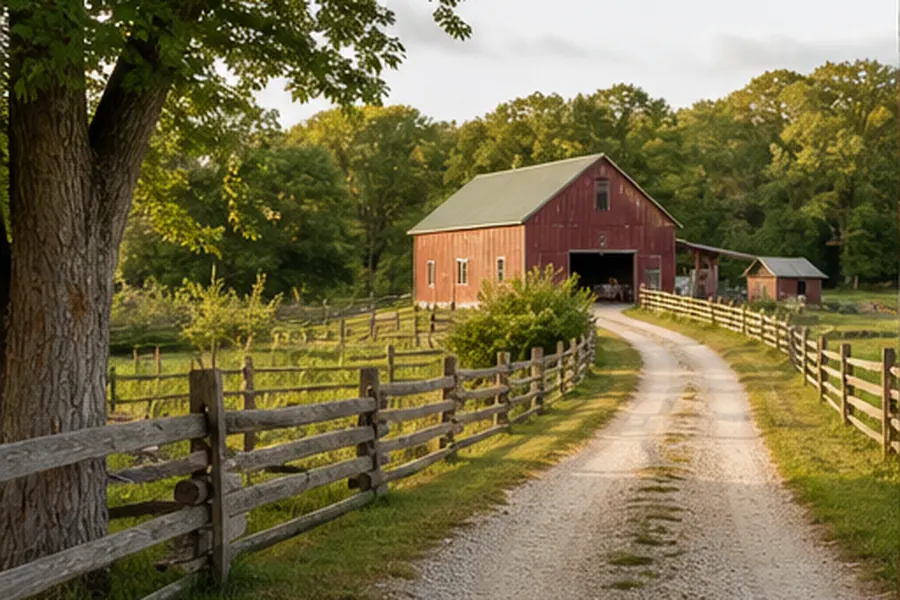
1100 Pace Rd, Pocahontas, AR
American Made General Store offers groceries, jar goods, candy, sports, outdoor items, clothing, and accessories.
AR directory
Browse 7 Amish stores, markets, and shops in Arkansas. Compare contact details, towns, store types, products, and route-planning notes before you visit.
Arkansas has emerged as one of the more notable growth states for Amish settlement over the past two decades, with a current population of approximately 5,000 Amish residents across multiple communities. The Ozark and Ouachita mountain regions of northern and central Arkansas have proven attractive to Amish families seeking affordable farmland away from the increasingly crowded and expensive settlements in Ohio, Indiana, and Pennsylvania. The Harrison area in Boone County is the state's most established community and the most accessible for visitors.
Additional communities operate near Pocahontas in Randolph County in the northeast, Mountain View in Stone County (the heart of the Arkansas Ozarks), and in the Searcy area of White County. These settlements vary in age and commercial development — some are well-established with multiple farm stores, while others are recent enough that visitor infrastructure is still minimal.
The appeal of Arkansas for Amish settlers is practical: land prices remain low relative to traditional settlement states, the growing season is long, and the mountainous terrain offers both privacy and farmable valleys.
The Harrison area in Boone County is the most developed of Arkansas's Amish communities for outside visitors. Several farm stores and roadside stands operate in the rural areas surrounding the city, selling bulk foods, baked goods, produce, and handmade goods. Harrison itself is a small city with conventional services, making it a practical base for exploring the surrounding Amish farms.
The Mountain View community in Stone County is smaller but located in one of Arkansas's most scenic tourism corridors, near the Ozark Folk Center State Park and Buffalo National River. Amish farms in this area sell produce and crafts but maintain a low commercial profile.
The best time to visit Arkansas Amish communities is from late April through October. Spring visits (April-June) coincide with planting season activity and fresh early produce. Fall (September-October) brings harvest-season abundance and cooler temperatures in the Ozark highlands. Avoid visiting during summer heat waves, when temperatures in the Arkansas valleys can climb above 95°F and some farm-based operations reduce activity. All businesses are closed Sundays.
Arkansas's Amish communities represent some of the newer settlements in American Amish history, with many established after 2000. The families who chose Arkansas made a deliberate decision to relocate far from the established Amish heartland, often to preserve the traditional way of life they felt was being eroded by development and tourism pressure in older settlement areas. Visitors to Arkansas Amish farms should approach with patience and genuine interest in purchasing rather than sightseeing.
Click markers to view store details. Use filters to show specific store types.
Mountain View
The largest clusters are around Mountain View, Pocahontas, Harrison with 2 listings.
Bulk Foods Store
4 shops specialise in bulk foods store, alongside bakery, general market.
Year-round access
Most stores welcome visitors year-round, so you can plan a relaxed itinerary in any season.
1100 Pace Rd, Pocahontas, AR
American Made General Store offers groceries, jar goods, candy, sports, outdoor items, clothing, and accessories.
193 Township Rd, Pocahontas, AR
Dalton Country Market offers Amish homemade sandwiches, bulk foods, and pastries.
614 S Main St, Searcy, AR
Good Measure Market offers bulk healthy food, specialty groceries, and natural, organic foods.
3864 AR 7, Harrison, AR
Harrison Bent ‘n’ Dent Grocery offers groceries and Amish home baked foods.
507 Sylamore Ave, Mountain View, AR
Yoder’s Country Cupboard offers bulk foods, homemade pastas, organic and natural foods, baked goods, and Amish-style deli meats.
999 Heber Springs Rd South, Heber Springs, AR
Ozark Country Market offers jellies, bread, nuts, cheese curds, goat milk soap and other homemade goods.
212 W Main St, Mountain View, AR
Mountain Thyme Mercantile offers Amish goods, homemade fudge and peanut butter, bulk candy, coffee, and spices.
Cover multiple communities in a single trip and enjoy the food, craftsmanship, and hospitality that make Arkansas's Amish heritage unique.
View all Arkansas listingsArkansas's main Amish commercial activity is centered near Harrison in Boone County in the northern Ozarks, where multiple farms and small stores sell produce, baked goods, bulk foods, and handmade goods. Additional communities with farm-direct purchasing exist near Pocahontas in Randolph County, Mountain View in Stone County, and the Searcy area of White County.
Yes. The Harrison area in Boone County hosts one of Arkansas's most established Amish settlements. Amish farms and small retail operations are scattered throughout the rural areas surrounding the city. Visitors can find eggs, produce, baked goods, bulk foods, quilts, and wood crafts sold from farm stores and roadside stands in the community.
Arkansas Amish stores and farm stands typically carry fresh eggs, seasonal produce (tomatoes, beans, sweet corn, and greens from Ozark farmland), homemade breads and pies, home-canned goods and jams, bulk baking supplies, and handmade crafts including quilts and wood furniture. The commercial offering is more farm-focused and less polished than in larger Amish states — expect genuine farm-direct purchasing rather than large storefront retail.
Arkansas has a mix. The Harrison area community in Boone County is among the older Arkansas settlements and has been established long enough to have multiple farms, stores, and tradespeople. Communities near Pocahontas, Mountain View, and Searcy are newer — some established within the past 10-20 years — and are still building their commercial and social infrastructure. Arkansas has been receiving new Amish families from Ohio, Indiana, and Pennsylvania as those states' farmland prices have risen.