
The Cash Checklist for Visiting Amish Stores
A practical checklist for handling cash, small bills, checks, receipts, and payment expectations before visiting Amish and plain-community stores.
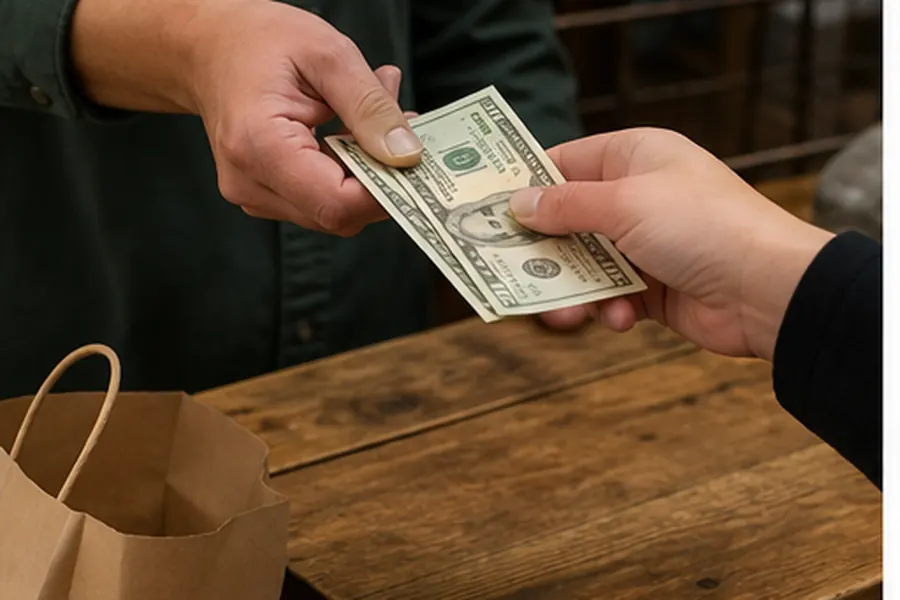
Most Amish-owned stores are small family businesses, and many still operate with simple payment systems. Some accept cards, especially larger tourist-area shops, but cash is still the most reliable option when you are visiting bakeries, farm stands, bulk food stores, and home-based shops.
Bring more small bills than you think you need
Small bills make checkout easier, especially at farm stands or seasonal markets where the register may be a cash box. A simple mix works well:
- Ones and fives for baked goods, produce, and small pantry items
- Tens and twenties for bulk food runs
- A little extra cash for an unplanned stop
If you are planning a furniture deposit or a larger custom order, call ahead before bringing a large amount of cash. Larger stores may have their own payment policies, deposit rules, or delivery paperwork.
Ask before assuming a check is okay
Checks are sometimes accepted from local or repeat customers, but they are not universal. If a store is a long drive away, call ahead and ask directly:
Do you accept checks from out-of-town customers, or should I bring cash?
That question is clearer than asking whether they “take other payment,” because it gives the owner an easy way to explain what actually works there.
Keep receipts and order slips together
For small food purchases, receipts may be simple or unavailable. For furniture, sheds, quilts, custom woodworking, or repair work, keep every order slip, quote, and deposit note in one place.
Before you leave, check that the paperwork includes:
- Store name or maker name
- Product details
- Deposit amount
- Remaining balance
- Expected pickup or delivery timing
- Phone number for follow-up
Plan for limited ATM access
Some Amish country routes run through small towns and rural roads where ATM access is limited. Stop for cash before you leave the larger town, especially if you are visiting multiple stores in one loop.
It also helps to set a cash budget before the day starts. That keeps impulse purchases from crowding out the items you actually made the trip for.
The practical rule
Bring cash, bring small bills, and call ahead for any purchase that is expensive, custom, or time-sensitive. That small bit of planning removes most payment stress before you even reach the first store.