
Amish Furniture Store Visit Checklist: What to Measure, Ask, and Compare
Prepare for an Amish furniture store visit with measurements, wood and finish questions, delivery details, and route planning tips.
This practical guide follows our source, correction, and uncertainty standards.
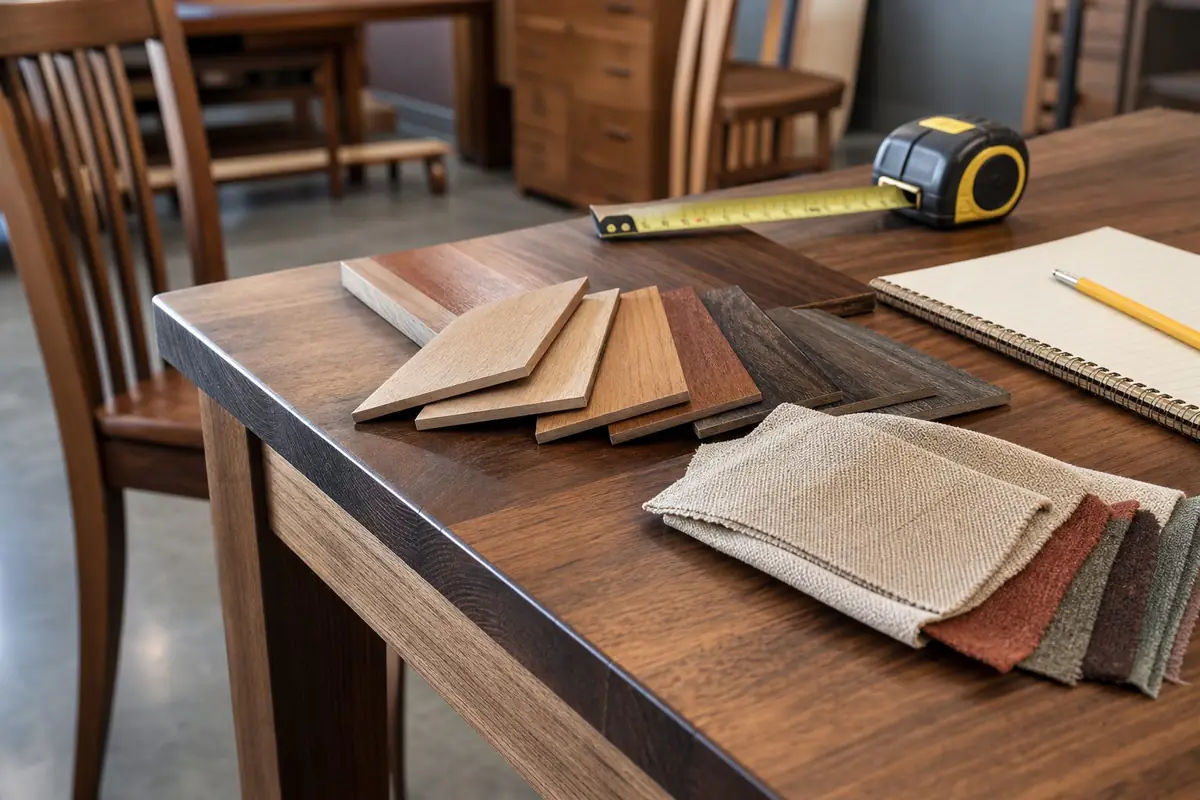
AI-generated editorial illustration; not a photo of a listed business.
An Amish furniture store visit is easier when you arrive with measurements, questions, and a realistic plan. Hardwood furniture is not the same as grabbing a small gift or a loaf of bread. You may be comparing wood species, finishes, construction details, delivery timing, and custom options.
Use this checklist before you drive, especially if you are visiting a store outside your normal shopping area.
Start with the Amish furniture store directory
Begin with Amish furniture stores. If you are planning a trip in a specific state, browse states first, then filter your route by store type. Renowned stops include Dutch Craft Furniture and Miller’s Furniture in Ohio, as well as Amish Furniture of Bristol in Pennsylvania.
Furniture stops often work best as the anchor of the day. Add nearby bakeries, general markets, or specialty stores after you know where the furniture visit will be.
Measure the room before you leave
Bring real measurements, not guesses. A beautiful table is not useful if it blocks a walkway or cannot make the turn through a doorway.
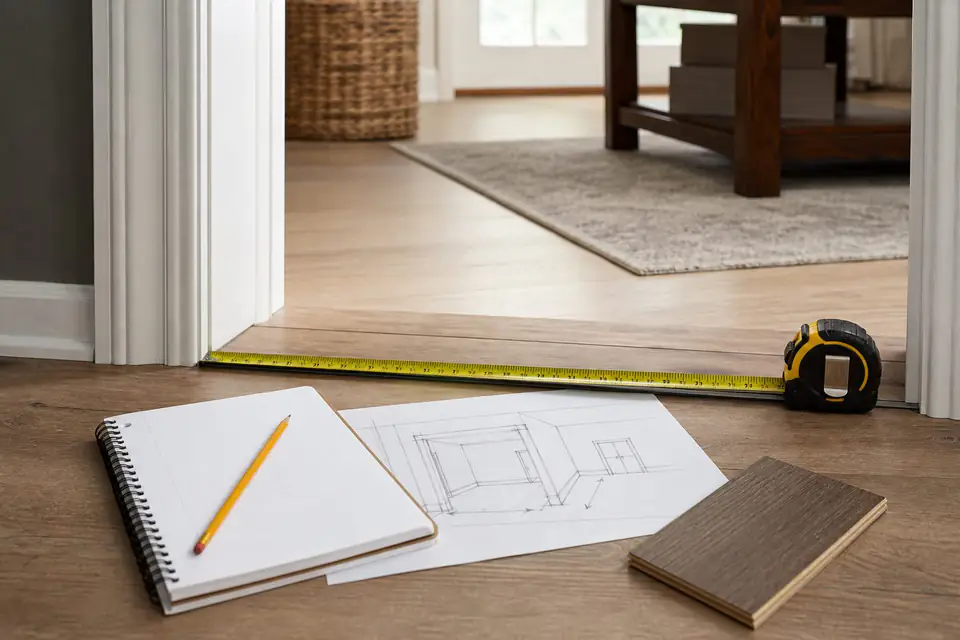
Measure:
- Room width and length
- Doorways
- Hallways
- Stair turns
- Elevator openings if relevant
- Existing table, bed, sofa, or cabinet dimensions
- Ceiling height for tall pieces
- Wall space for hutches, bookcases, or desks
Take photos of the room in daylight. Photos help you compare wood tone, scale, and style while you are standing in the store.
Bring finish and fabric references
If you are matching existing furniture, bring a drawer, shelf, cushion, or clear photos taken in natural light. Paint colors, flooring, and fabric can look different under showroom lighting.
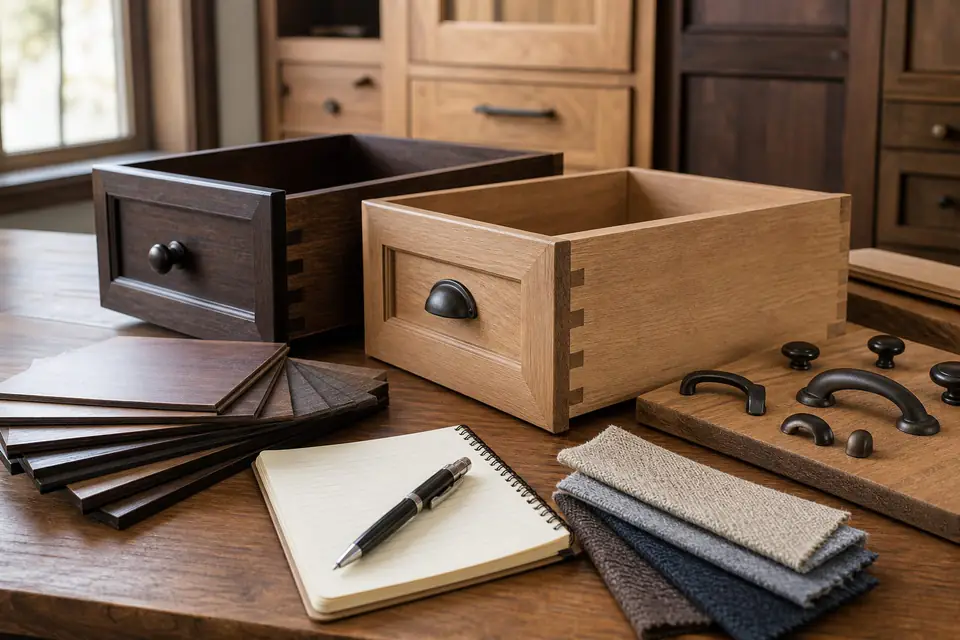
Helpful references include:
- Wood sample or drawer front
- Flooring photo
- Wall color photo
- Fabric swatch
- Rug photo
- Cabinet hardware photo
You do not need to match everything perfectly, but you do need enough context to avoid an obvious clash.
Ask construction questions
Amish furniture is often valued for solid wood construction and careful workmanship, but every piece and store is different. Ask direct questions instead of assuming.
Good questions:
- What wood species is this?
- Is the piece solid wood, veneer, or a mix?
- How are the drawers built?
- What finish is used?
- Can the dimensions be changed?
- What hardware options are available?
- Is this piece made locally or sourced from another shop?
- What care instructions come with it?
For tables, check stability, leaf storage, finish feel, edge comfort, and how easily chairs slide in and out.
Understand custom order timing
Custom furniture can take time. Before placing an order, ask for the expected lead time, deposit requirements, change policy, delivery options, and what happens if timing changes.
Write down:
- Item name or style
- Wood species
- Finish name
- Dimensions
- Hardware
- Fabric or cushion choices
- Quoted price
- Deposit
- Estimated completion date
- Delivery or pickup details
Do not rely on memory after visiting multiple stores.
Compare delivery and pickup
Delivery can matter as much as price. A lower quote may not be the best deal if delivery is expensive, limited, or unavailable.
Ask whether the store offers:
- Local delivery
- Long-distance delivery
- White-glove placement
- Pickup-only pricing
- Assembly help
- Protection during transport
- Repair or adjustment policies
If you plan to haul furniture yourself, bring tie-downs, blankets, and measurements for your vehicle or trailer.
Compare quotes on the same specification
A useful price comparison keeps the product constant. Two “oak dining tables” may differ in wood grade, top thickness, leaf mechanism, edge profile, finish, base construction, included chairs, delivery, and warranty. Write one target specification before requesting quotes.
Record the following for every store:
- Finished dimensions, including each extension leaf
- Exact wood species and whether any part is veneer or engineered material
- Top thickness, base style, and edge profile
- Finish name, sheen, distressing, and protective coating
- Hardware and mechanism details
- Number of chairs or accessories included
- Deposit, tax, delivery, setup, and final balance
- Estimated completion window
- Warranty, adjustment, and repair process
Compare the final delivered price, not only the showroom tag. A higher initial quote can be the better value when it includes delivery, setup, stronger construction, or a clearer service policy.
Test the piece in person
Use the showroom visit to test things that photographs cannot answer. Sit in chairs long enough to notice seat depth and back angle. Open every drawer and door. Check whether a table rocks, whether leaves align, and whether cabinet doors close evenly. Look across the finish in side light for roughness, dust, runs, or inconsistent color.
For bedroom or office furniture, confirm cable openings, drawer clearance, mattress support, outlet access, and space for baseboards. For a bench or dining chair, wear the kind of clothing you normally use at the table and check whether arms fit under the apron.
Ask before photographing labels, price tags, or showroom arrangements. If the store allows photographs, include the product name or quote number in the same image so you can identify it later.
Get the custom order in writing
A receipt for “custom table” is not enough. The order should identify dimensions, material, finish, hardware, options, price, deposit, delivery destination, and the process for approving changes. Ask who contacts you if the quoted wood or hardware becomes unavailable.
Before paying, clarify:
- Whether the deposit is refundable
- When changes stop being possible
- What counts as an acceptable natural variation in wood
- Who handles transit damage or an incorrect specification
- Whether delivery includes stairs, assembly, and packaging removal
- How warranty or adjustment work is requested after delivery
Do not rely on a verbal estimate for a time-sensitive move, wedding, or renovation. A lead time is an estimate unless the written order says otherwise.
Build the rest of the route around the furniture stop
Furniture shopping can take longer than expected. Keep the rest of the day simple.
Good support stops include:
- General markets for mixed groceries and gifts
- Bakeries for easy take-home items
- Specialty stores for quilts, crafts, and home goods
- Bulk foods stores for pantry restocking
Use near me once you are in the area if you finish early and want one more stop.
FAQ
How do I find Amish furniture stores near me?
Start with the furniture store directory or use near me if you want location-based results while traveling.
What should I bring to an Amish furniture store?
Bring room measurements, doorway measurements, photos, wood or fabric references, a tape measure, notes, and payment information.
Should I ask whether furniture is custom made?
Yes. Ask what can be customized, where the piece is made, what materials are used, and how long an order usually takes.
Can I combine a furniture visit with other Amish store stops?
Yes, but make the furniture store the anchor stop. Add nearby bakeries, general markets, or specialty stores after the furniture visit is planned.